
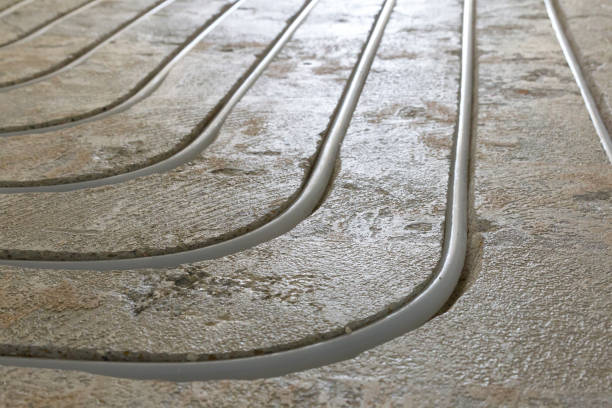
Floor heating pipes installation represents a critical phase in creating efficient radiant heating systems that deliver unparalleled comfort and energy efficiency. This specialized construction process requires careful planning, precise execution, and thorough understanding of both the materials and methods involved. This comprehensive guide examines the essential aspects of floor heating pipe installation, from initial preparation and layout design to pressure testing and final commissioning. We will address common installation questions, review key technical considerations, and explore best practices that ensure optimal system performance. Understanding these installation fundamentals helps contractors deliver reliable heating solutions that meet modern construction standards and client expectations for comfort and efficiency.
Frequently Asked Questions (FAQ)
What preparation is needed before installing floor heating pipes?
Proper preparation begins with a clean, level subfloor free from sharp protrusions. Installers must apply adequate insulation boards to prevent downward heat loss and ensure efficient system operation. They should clearly mark all wall locations, furniture placements, and fixture positions to avoid pipe placement in these areas. The installation team must also complete all underlying electrical and plumbing work before beginning pipe installation.
How do installers determine the optimal pipe layout and spacing?
Professional installers follow heat loss calculations and manufacturer specifications to determine appropriate pipe spacing, typically ranging from 100mm to 300mm. They consider room dimensions, heat requirements, and exterior wall locations when planning the layout. Most systems use a serpentine pattern, while some complex layouts may incorporate double serpentine or spiral patterns for optimal heat distribution.
What are the key steps during the pressure testing phase?
Installers conduct pressure testing before, during, and after the screeding process. They pressurize the system to approximately 6 bar during installation to immediately identify any leaks or damage. The system maintains this pressure throughout the screeding and curing process, with continuous monitoring to ensure integrity. This rigorous testing protocol prevents costly discoveries of leaks after completing floor finishes.
How should installers handle pipe expansion and movement considerations?
Professional installers account for thermal expansion by leaving expansion gaps around the perimeter and using expansion joints in large areas. They secure pipes with specialized clips or rails that allow for movement while maintaining proper spacing. Installers pay particular attention to transition areas between different materials and around structural elements where stress may concentrate.
What are the best practices for manifold installation and pipe connections?
Installers position manifolds in accessible locations, typically near the center of the heated area to minimize pipe runs. They ensure proper support for the manifold assembly and maintain neat, organized pipe connections. Each circuit should have approximately equal length to ensure balanced flow and heat distribution, with clear labeling for all zones and circuits.
Basic Definition and Key Characteristics
Floor heating pipe installation involves the careful placement of specialized heating pipes within floor constructions to create radiant heating systems. This process requires meticulous attention to detail and adherence to specific technical standards to ensure system longevity and performance. The installation typically occurs after completing structural elements but before applying final floor finishes, allowing for embedding the pipes within screed or concrete layers. This method transforms the entire floor mass into an efficient heat emitter that provides comfortable, even warmth throughout the space.
The installation process demonstrates several distinctive characteristics that differentiate it from conventional plumbing work. It demands precise spatial planning to achieve optimal heat distribution and avoid conflicts with other building elements. The work requires specialized tools including pipe reels, bending tools, and pressure testing equipment specifically designed for radiant heating applications. Installers must maintain consistent pipe spacing and proper securing methods to prevent movement during the pouring of screed or concrete. The process also involves comprehensive documentation including as-built drawings, pressure test records, and circuit diagrams for future reference and maintenance.
Common Uses and Application Industries
Professional floor heating pipe installation serves numerous construction sectors and application types. Residential construction represents the largest market, with installers working on single-family homes, apartment complexes, and luxury developments where homeowners seek superior comfort. Custom home builders particularly value expert installation services for high-end projects where precision and reliability are paramount. The commercial sector provides significant opportunities in office buildings, retail spaces, and hotels where proper installation ensures consistent comfort for occupants and customers.
Institutional projects including schools, hospitals, and government buildings require specialized installation teams that understand the unique requirements of these environments. Industrial facilities use skilled installers for warehouse heating, production area comfort systems, and specialized process heating applications. The hospitality industry relies on expert installation for luxury hotels, spa facilities, and swimming pool areas where flawless performance is essential for guest satisfaction.
Green building projects and passive house constructions demand the highest level of installation expertise to achieve their energy efficiency targets. Renovation and retrofit projects represent a growing market where installers must adapt techniques to existing structures and space constraints. Specialized applications such as snow melting systems, sports field heating, and agricultural drying operations all require specific installation methodologies tailored to their unique requirements.
Conclusion
Floor heating pipe installation represents a sophisticated construction discipline that combines technical knowledge with practical skills to create superior heating solutions. The quality of installation directly impacts system performance, energy efficiency, and long-term reliability, making professional expertise essential for successful projects. Proper installation practices ensure that the system delivers on its promises of comfort, efficiency, and durability while minimizing future maintenance requirements.
The construction industry continues to recognize the value of properly installed radiant heating systems as building codes increasingly emphasize energy efficiency and occupant comfort. As technology advances, installation methods continue to evolve with new tools, techniques, and materials that improve efficiency and quality. The growing demand for sustainable building solutions ensures that skilled floor heating installers will remain in high demand across various construction sectors. By adhering to best practices and maintaining high standards of workmanship, installation professionals contribute significantly to the creation of comfortable, efficient, and sustainable built environments that meet the needs of today's discerning building owners and occupants.