
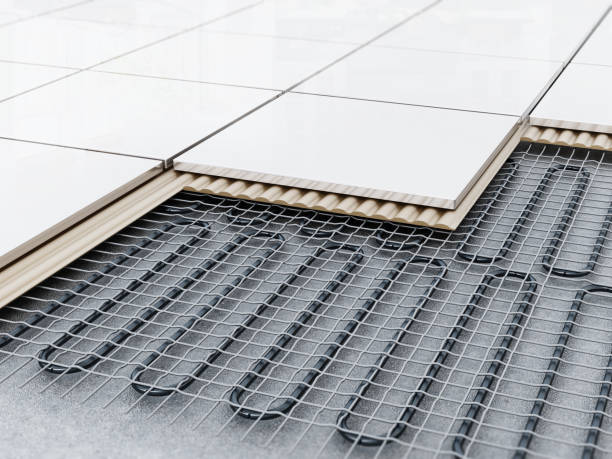
Floor heating pipes have transformed how homeowners experience comfort, offering an invisible heating solution that provides unparalleled warmth and efficiency. For users considering or already enjoying this modern heating method, understanding how these systems work and how to maximize their benefits is essential. This comprehensive guide explores floor heating pipes from a user perspective, addressing common questions, explaining system fundamentals, and highlighting the practical advantages that make these systems so popular. Whether you are planning a new construction project or considering an upgrade to your existing heating system, this guide will help you make informed decisions about implementing and enjoying the comfort of radiant floor heating.
Frequently Asked Questions (FAQ)
How much will floor heating pipes increase my electricity bill?
Floor heating systems typically reduce energy consumption compared to traditional heating methods. They operate at lower temperatures and provide more even heat distribution, which can lead to 15-25% energy savings. The actual impact on your utility bill depends on factors like insulation quality, floor covering types, and your local climate conditions. Many users find the increased comfort well worth the operating costs.
Can I install floor heating pipes under any type of flooring?
These systems work excellently with tile, stone, and concrete floors due to their excellent thermal conductivity. You can also use them with engineered wood, laminate, and vinyl flooring, though you must check the manufacturer's specifications for temperature limits. Even certain types of carpet work well, provided they have low thermal resistance. Always consult with your installer about the best flooring options for optimal performance.
How long does the system take to warm up a room?
Radiant floor systems heat more slowly than forced-air systems because they warm the entire floor mass. Typically, the system takes a few hours to reach the desired temperature from a cold start. However, once warm, the system maintains temperature more consistently. Many users program their systems to maintain lower temperatures during absence periods and increase warmth before returning home.
What maintenance do floor heating pipes require?
These systems require minimal maintenance once installed properly. The pipes typically last over 50 years without needing replacement. Users should periodically check the manifold and control systems, but the embedded pipes themselves are virtually maintenance-free. Annual checks of the heating source and control systems help ensure optimal performance.
Is floor heating compatible with smart home systems?
Modern floor heating systems integrate perfectly with smart home technology. You can control them through smartphone apps, voice commands, and automated schedules. Many systems learn your patterns and adjust heating accordingly, providing both comfort and energy savings. You can also integrate them with other smart home features like occupancy sensors and weather-responsive adjustments.
Basic Definition and Key Characteristics
Floor heating pipes form the heart of radiant heating systems, circulating warm water beneath floor surfaces to create comfortable living environments. These specialized pipes, typically made from cross-linked polyethylene (PEX), form continuous loops that distribute heat evenly across entire rooms. The system connects to a heat source—such as a boiler, heat pump, or solar thermal system—and uses a manifold to control water flow through different zones. This setup allows users to enjoy consistent, draft-free warmth that rises gently from the floor upward, creating a unique comfort experience that traditional heating systems cannot match.
For users, the system offers several distinctive benefits that enhance daily living. The radiant heat provides exceptional comfort by warming objects and people directly rather than just heating the air. Users enjoy completely silent operation without the noise of blowing air or expanding metal that occurs with conventional systems. The invisible nature of the heating means no radiators or vents interfere with furniture placement or interior design choices. Families appreciate the improved air quality since the system doesn't circulate dust, allergens, or dry out the air like forced-air systems often do. The even heat distribution eliminates cold spots and creates a consistently comfortable environment throughout each room.
Common Uses and Application Industries
Homeowners increasingly choose floor heating pipes for various residential applications where comfort and efficiency matter most. Families install these systems throughout their homes, with particular popularity in bathrooms where warm floors provide special comfort underfoot. Kitchen areas benefit from the even heat distribution that doesn't interfere with cabinetry or appliance placement. Bedrooms become cozy retreats with silent, draft-free warmth that doesn't disturb sleep. Living areas transform into comfortable gathering spaces where family members can enjoy the entire floor area without avoiding cold spots or radiator locations.
Beyond residential applications, users enjoy these systems in vacation homes where remote operation and efficient performance provide comfort during occasional use. Pet owners appreciate how the gentle warmth keeps floors comfortable for animals that spend time at ground level. People with allergies particularly benefit from the reduced air movement and dust circulation that comes with radiant heating. The system's compatibility with various energy sources—including solar and geothermal—appeals to environmentally conscious users seeking sustainable heating solutions.
Conclusion
Floor heating pipes offer users a transformative heating experience that combines exceptional comfort with impressive efficiency. The system's ability to provide consistent, draft-free warmth while operating silently and invisibly makes it an increasingly popular choice for modern homes. Users appreciate how the technology integrates seamlessly with smart home systems while requiring minimal maintenance over its decades-long lifespan. The health benefits of improved air quality and reduced allergen circulation make these systems particularly valuable for families concerned about indoor environmental quality.
As heating technology continues to advance, floor heating systems become increasingly accessible and user-friendly. Modern control systems make operation intuitive while maximizing energy efficiency. The long-term reliability and minimal maintenance requirements provide peace of mind that traditional heating systems often cannot match. For users seeking the ultimate in home comfort while reducing their environmental impact, floor heating pipes represent an investment that pays dividends in daily comfort, energy savings, and overall living satisfaction. The growing adoption of these systems across various home types and climates demonstrates their ability to meet diverse user needs while providing the invisible, luxurious warmth that modern homeowners desire and deserve.