
Sustainable Heating Solutions Introduction
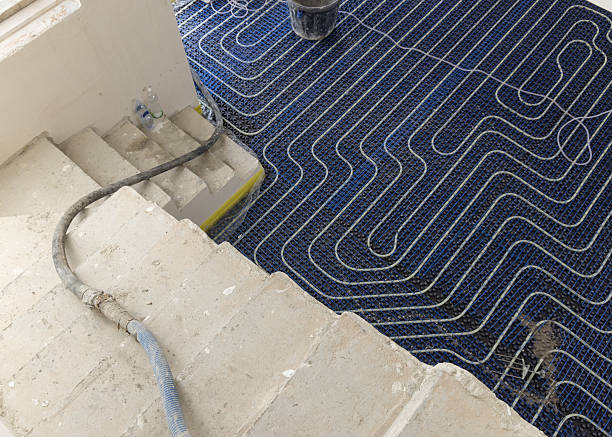
Underfloor heating systems represent a significant advancement in environmentally conscious building technology, with their pipework playing a crucial role in sustainable heating solutions. The environmental benefits of modern underfloor heating pipework extend across its entire lifecycle, from manufacturing through decades of operation to eventual recycling. This comprehensive guide explores how these systems contribute to ecological sustainability through reduced energy consumption, efficient resource use, and minimized environmental impact. We will examine the eco-friendly aspects of material selection, manufacturing processes, operational efficiency, and end-of-life considerations. Understanding these environmental advantages helps homeowners, builders, and environmental advocates appreciate how underfloor heating technology supports green building initiatives and reduces carbon footprints while providing superior comfort.
Eco-Conscious Material Selection
Modern underfloor heating pipework utilizes environmentally responsible materials that prioritize sustainability without compromising performance. Manufacturers increasingly use cross-linked polyethylene (PEX) and polypropylene (PPR) compounds derived from renewable resources rather than petroleum-based products. These materials incorporate recycled content while maintaining the high quality standards required for heating applications. The production processes minimize hazardous additives, using instead environmentally friendly stabilizers and antioxidants that prevent soil and water contamination. Manufacturers also implement reduced-material designs that maintain structural integrity while using fewer raw materials. These material choices demonstrate how the industry prioritizes environmental responsibility throughout the product development cycle, creating pipework that delivers excellent performance while minimizing ecological impact.
Energy Efficient Manufacturing Processes
The production of underfloor heating pipework employs energy-efficient manufacturing technologies that significantly reduce environmental impact. Modern facilities utilize closed-loop water systems that recycle 95% of process water, dramatically reducing water consumption. Solar panels and energy recovery systems power manufacturing equipment, lowering dependence on non-renewable energy sources. Advanced extrusion technology optimizes material usage, minimizing waste generation during production. Manufacturers implement comprehensive recycling programs that reprocess production scrap into new products, achieving near-zero waste operations. These environmentally conscious manufacturing practices reduce the carbon footprint of production while maintaining the high quality standards required for reliable heating performance. The industry's commitment to sustainable manufacturing continues to evolve with new technologies that further reduce environmental impact.
Operational Energy Efficiency
Underfloor heating pipework delivers exceptional operational energy efficiency that significantly reduces environmental impact compared to conventional heating systems. The technology enables low-temperature operation, typically between 35-45°C, which is 20-30% more efficient than traditional radiator systems requiring higher temperatures. This efficiency reduces energy consumption and associated greenhouse gas emissions throughout the system's decades-long lifespan. The even heat distribution eliminates cold spots and reduces heat loss, allowing for lower thermostat settings while maintaining comfort. Modern pipework designs maximize heat transfer efficiency, ensuring optimal performance with minimal energy input. These operational characteristics make underfloor heating systems particularly compatible with renewable energy sources like solar thermal and heat pumps, further enhancing their environmental credentials.
Longevity and Durability Benefits
The exceptional durability of modern underfloor heating pipework contributes significantly to its environmental advantages. These systems typically last 50 years or more, outlasting conventional heating systems by decades. This longevity reduces the need for replacement materials and manufacturing energy over time. The robust construction resists corrosion, scaling, and degradation, maintaining efficiency throughout its lifespan. Manufacturers design the pipework to withstand changing environmental conditions and heating demands without performance deterioration. This durability minimizes waste generation and resource consumption associated with system replacements. The long service life also reduces the environmental impact of installation activities, as the system remains operational for generations without requiring major interventions or upgrades.
Recycling and End-of-Life Management
The environmental responsibility of underfloor heating pipework extends to its end-of-life phase through comprehensive recycling and recovery programs. Modern PEX and PPR materials are fully recyclable, with established processes that transform used pipework into new products. Manufacturers operate take-back programs that ensure proper handling and processing of materials at end-of-life. The recycling process consumes significantly less energy than producing virgin materials, reducing the overall environmental footprint. Additionally, the high calorific value of the materials makes them suitable for energy recovery through controlled waste-to-energy processes. These end-of-life management strategies demonstrate the industry's commitment to circular economy principles, ensuring that materials remain in productive use rather than entering landfill sites.
Environmental Certification and Standards
The underfloor heating industry maintains rigorous environmental certifications that validate its sustainability claims. Pipework manufacturers adhere to international environmental standards including ISO 14001 for environmental management systems. Products carry environmental product declarations that transparently communicate lifecycle assessment data. Many systems achieve Cradle to Cradle certification, demonstrating commitment to sustainable manufacturing practices. The industry participates in building certification programs like LEED and BREEAM, contributing points toward green building certifications. These certifications provide independent verification of environmental performance, giving consumers confidence in the ecological benefits of their heating choices. The continuous improvement of environmental standards ensures that underfloor heating technology remains at the forefront of sustainable building solutions.
Conclusion: Environmental Leadership in Heating
Underfloor heating pipework represents a environmentally superior heating solution that addresses multiple ecological concerns while delivering exceptional comfort performance. From sustainable material selection through energy-efficient operation to responsible end-of-life management, these systems demonstrate comprehensive environmental responsibility. The reduced energy consumption, minimal waste generation, and long service life contribute significantly to building sustainability and carbon reduction goals. As environmental considerations become increasingly important in building design and operation, underfloor heating technology offers a practical solution that aligns with ecological values while providing superior heating performance. The continued innovation in this field promises even greater environmental benefits in the future, solidifying underfloor heating's position as an environmentally responsible choice for modern construction and renovation projects.