
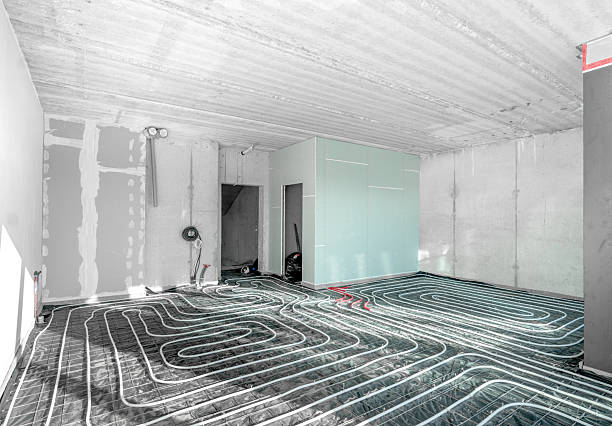
Introduction to Heating Technology Evolution
Underfloor heating systems represent one of the most significant advancements in modern comfort technology, with their pipework standing at the forefront of heating innovation. The technological evolution of underfloor heating pipework has transformed how we approach space heating, moving from basic metal pipes to sophisticated polymer-based systems that offer unparalleled efficiency and reliability. This comprehensive guide explores the cutting-edge technologies that make modern underfloor heating pipework so effective, from advanced material science to smart manufacturing processes and digital integration. We will examine how technological innovations have improved thermal performance, installation efficiency, and system longevity while reducing environmental impact. Understanding these technological advancements helps homeowners, architects, and installers appreciate why modern underfloor heating systems outperform traditional heating methods and how they contribute to more sustainable building practices.
Advanced Material Science Applications
The technological foundation of modern underfloor heating pipework begins with breakthrough material science innovations. Manufacturers now utilize specially engineered polymers like cross-linked polyethylene (PEX) and polypropylene random (PPR) that offer exceptional thermal conductivity, flexibility, and long-term durability. These materials incorporate nanotechnology additives that enhance thermal transfer properties while maintaining structural integrity under constant heating cycles. Advanced stabilization compounds protect against oxidative degradation, ensuring the pipes maintain their performance characteristics for decades. The development of oxygen diffusion barrier layers represents another significant technological achievement, preventing corrosion in system components while maintaining water quality. These material science innovations collectively create pipework that withstands temperature fluctuations, pressure variations, and environmental stresses while delivering consistent heating performance.
Smart Manufacturing Technologies
Modern underfloor heating pipework production employs sophisticated manufacturing technologies that ensure precision and quality throughout the production process. Computer-controlled extrusion systems maintain tolerances within 0.1mm, while laser measurement devices continuously monitor pipe dimensions and wall thickness. Automated quality control systems use machine vision technology to detect microscopic imperfections in real-time, ensuring only perfect products reach consumers. Industry 4.0 practices integrate Internet of Things sensors throughout manufacturing equipment, collecting data that optimizes production parameters and predicts maintenance needs. Advanced cross-linking technologies, including electron beam irradiation and peroxide methods, create molecular structures that enhance temperature resistance and mechanical strength. These manufacturing technologies work together to produce pipework that meets exacting international standards for performance and reliability.
Innovative Installation Technologies
The technology surrounding underfloor heating pipework installation has evolved significantly, making systems more accessible and efficient to install. Modern pipework features memory technology that allows it to maintain its coiled shape during storage yet uncoil smoothly during installation. Advanced connection systems utilize push-fit technology that ensures leak-proof joints without requiring special tools or skills. Manufacturers have developed specialized installation equipment including pipe uncoiling racks, bending tools, and layout systems that optimize installation efficiency. Digital layout planning software helps installers calculate optimal pipe spacing and circuit lengths for maximum heat distribution. These installation technologies reduce labor time, minimize errors, and ensure that systems perform exactly as designed once operational.
Digital Integration and Smart Control
Underfloor heating pipework now integrates seamlessly with digital control systems that optimize performance and energy efficiency. Modern systems connect to smart home networks through wireless technology, allowing precise temperature control through mobile applications. Advanced sensors monitor floor temperatures, room conditions, and system performance, automatically adjusting heat output to maintain perfect comfort levels. Machine learning algorithms analyze usage patterns and weather forecasts to anticipate heating needs and optimize energy consumption. Cloud-based monitoring systems provide real-time performance data and alert homeowners to any maintenance requirements. These digital technologies transform underfloor heating from a simple heating solution into an intelligent comfort system that adapts to lifestyle needs while minimizing energy consumption.
Sustainability and Energy Efficiency Technologies
Technological innovations in underfloor heating pipework contribute significantly to environmental sustainability and energy efficiency. The development of high thermal conductivity materials allows systems to operate at lower water temperatures, reducing energy consumption by up to 30% compared to traditional heating systems. Advanced insulation technologies prevent heat loss to subfloors, ensuring maximum heat transfer to living spaces. Manufacturers employ recycled materials in production while ensuring complete recyclability at end-of-life. Solar compatibility technology enables seamless integration with renewable energy sources, further reducing carbon footprints. These sustainability technologies make modern underfloor heating systems an environmentally responsible choice that aligns with global efforts to reduce energy consumption and combat climate change.
Future Technological Developments
The future of underfloor heating pipework technology promises even more exciting developments that will enhance performance and integration. Researchers are developing self-regulating pipework that automatically adjusts heat output based on room conditions without requiring external controls. Nanotechnology applications may lead to pipes with embedded sensors that detect leaks or damage before they become problematic. Advanced phase-change materials integrated into pipe walls could store thermal energy for extended periods, improving system responsiveness. Artificial intelligence integration will enable predictive maintenance capabilities that anticipate service needs before issues arise. These emerging technologies will continue to push the boundaries of what underfloor heating systems can achieve, making them even more efficient, reliable, and integrated into smart building ecosystems.
Conclusion: Technology Transforming Comfort
The technological evolution of underfloor heating pipework has revolutionized how we heat our living and working spaces, offering unprecedented comfort, efficiency, and control. From advanced material science to digital integration and smart manufacturing, these innovations have created systems that outperform traditional heating methods in every aspect. The continuous development of new technologies ensures that underfloor heating systems will remain at the forefront of heating solutions, adapting to changing needs and environmental considerations. As technology continues to advance, we can expect even more sophisticated systems that further enhance comfort while reducing energy consumption and environmental impact. These technological achievements make modern underfloor heating pipework not just a heating solution, but a smart investment in sustainable, comfortable living for years to come.