
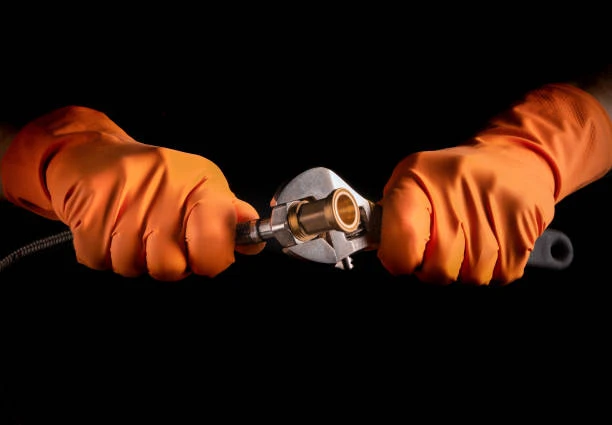
Wire braided hoses are a cornerstone of modern industrial, automotive, and construction applications, offering unmatched durability, flexibility, and pressure resistance. These hoses consist of an inner rubber or thermoplastic tube reinforced with tightly woven steel or stainless steel wire, providing superior burst resistance while maintaining essential flexibility. Unlike traditional rubber or PVC hoses, wire braided variants excel in high-pressure environments, extreme temperatures, and corrosive conditions, making them indispensable in hydraulic systems, chemical transfer, and heavy machinery operations. This guide explores their defining characteristics, key benefits, and industry applications, while answering common questions to help professionals make informed decisions.
What Is a Wire Braided Hose?
A wire braided hose is a high-performance flexible tube designed to withstand extreme pressure, vibration, and mechanical stress. It features an inner core—typically made of synthetic rubber, PTFE (Teflon), or thermoplastic—reinforced with one or more layers of braided steel wire. This construction provides excellent burst resistance while allowing the hose to bend without kinking, making it ideal for dynamic and high-pressure environments.
Key Features of Wire Braided Hoses
- High Pressure Resistance – Depending on the braid layers (single, double, or spiral), these hoses can withstand pressures from 600 PSI to 6,500 PSI, making them ideal for hydraulic and industrial applications.
- Temperature Tolerance – They operate effectively between -40°F to +700°F (-45°C to 370°C), with PTFE-lined variants sustaining even higher extremes.
- Chemical & Abrasion Resistance – Stainless steel braiding protects against corrosion, while the inner liner resists oils, acids, and solvents.
- Flexibility & Bend Radius – Single-braid hoses allow tight bends (as low as 1.5 inches for ¼" hoses), crucial for confined spaces in machinery and construction sites.
- Longevity & Reliability – Properly maintained, these hoses last 5–20 years, reducing replacement frequency and project downtime.
Top Advantages of Wire Braided Hoses
Wire braided hoses outperform traditional alternatives in multiple ways, making them a preferred choice across industries.
1. Unmatched Durability & Longevity
The stainless steel or high-tensile wire reinforcement provides superior resistance to abrasion, punctures, and external damage, significantly extending service life compared to rubber or PVC hoses.
2. Superior Pressure Handling
Unlike standard hoses, wire braided variants maintain structural integrity under extreme pressures, preventing bursts and leaks in hydraulic and industrial systems.
3. Flexibility Without Compromising Strength
The braided design allows the hose to bend and maneuver in tight spaces while retaining high tensile strength, making it ideal for robotics, automotive, and confined installations.
4. Corrosion & Chemical Resistance
Stainless steel braiding ensures resistance to rust, acids, and harsh chemicals, making these hoses ideal for oil, gas, and chemical processing industries.
5. Vibration & Thermal Expansion Absorption
The flexible yet robust construction dampens vibrations and accommodates thermal expansion, reducing stress on fittings and preventing leaks in dynamic systems.
6. Safety & Leak Prevention
The reinforced braid minimizes hose expansion under pressure, reducing the risk of ruptures and hazardous leaks in high-pressure applications.
7. Versatility Across Industries
From automotive fuel lines to industrial steam systems, wire braided hoses adapt to diverse applications, including HVAC, pharmaceuticals, and food processing (with FDA-compliant variants).
Common Uses & Industries for Wire Braided Hoses
1. Hydraulic & Heavy Machinery
- Excavators, cranes, and bulldozers use 2-wire braided hoses for hydraulic fluid transfer under extreme pressures (up to 6,500 PSI).
- Mining and construction equipment rely on their abrasion resistance in rock drilling and earthmoving.
2. Oil, Gas & Chemical Processing
- PTFE-lined stainless steel hoses safely transport corrosive acids, hydrocarbons, and refinery byproducts.
- High-temperature steam lines in power plants utilize their heat resistance (up to 700°F).
3. Automotive & Aerospace
- Fuel and brake systems benefit from their resistance to ethanol-based fuels and heat.
- Aircraft hydraulics use lightweight yet strong braided hoses for landing gear and flight controls.
4. Plumbing & HVAC
- Stainless steel braided hoses prevent leaks in residential and commercial water supply systems (rated up to 10 BAR).
- Refrigeration lines handle coolants without permeation issues.
Frequently Asked Questions (FAQ)
1. How does wire braiding improve hose performance?
The braided structure distributes mechanical stress evenly, preventing burst failures while maintaining flexibility. Innovations like multi-layer weaving further enhance pressure tolerance.
2. Can wire braided hoses replace solid metal pipes?
Yes, in applications requiring vibration absorption or thermal movement. They compensate for misaligned piping and reduce fatigue in systems with constant motion.
3. What’s the difference between single and double braid hoses?
- Single Braid: Handles 600–3,200 PSI, ideal for medium-pressure applications like automotive systems.
- Double Braid: Supports 1,600–6,500 PSI, used in high-pressure hydraulics for cranes and excavators.
4. Are there food-grade wire braided hoses?
Yes, PTFE-lined stainless steel hoses with 316L braiding meet FDA and USP Class VI standards for pharmaceutical and food processing.
5. How can I extend the lifespan of wire braided hoses?
- Avoid kinking or exceeding bend limits during installation.
- Store hoses away from UV exposure and corrosive chemicals.
- Conduct regular inspections for abrasions and fitting integrity.
Conclusion
Wire braided hoses represent the pinnacle of fluid transfer technology, combining strength, flexibility, and chemical resistance for demanding industrial applications. Their ability to withstand extreme pressures, temperatures, and corrosive environments makes them indispensable in construction, oil and gas, automotive, and HVAC systems. By understanding their technical specifications—such as pressure ratings, bend radii, and material compatibility—engineers and procurement specialists can select the optimal hose for their needs, ensuring long-term reliability and cost-efficiency. As industries continue to evolve, wire braided hoses remain a trusted solution for high-performance fluid conveyance, delivering safety and durability where it matters most.