
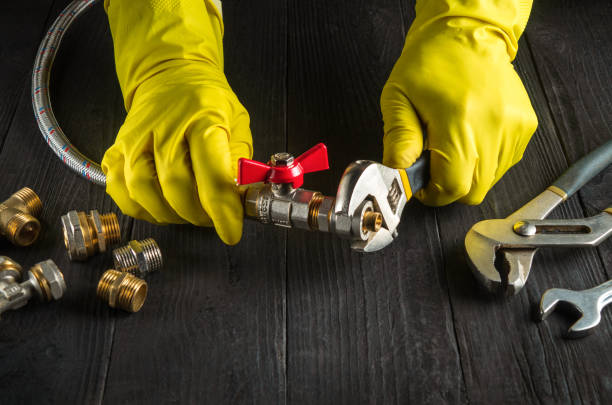
Wire braided hoses have established themselves as a leading solution in fluid transfer systems, outperforming traditional rubber and PVC hoses in demanding industrial, automotive, and construction applications. Their unique construction—featuring an inner synthetic rubber or thermoplastic core reinforced with tightly woven steel wire—provides superior burst resistance, flexibility, and durability. This guide examines how wire braided hoses compete in the market, their key advantages over alternatives, and why industries increasingly favor them for high-pressure and high-temperature environments. Additionally, we address common questions to help businesses make informed purchasing decisions.
What Is a Wire Braided Hose?
A wire braided hose is a high-performance flexible tube designed to withstand extreme pressure, vibration, and mechanical stress. It consists of an inner synthetic rubber, PTFE (Teflon), or thermoplastic tube reinforced with one or more layers of braided steel or stainless steel wire. This construction balances flexibility with strength, preventing kinking while maintaining structural integrity under high pressure.
Key Competitive Advantages
- Superior Pressure Resistance – Wire braided hoses handle 600 to 6,500 PSI, far exceeding standard rubber hoses, making them ideal for hydraulic and industrial systems.
- Enhanced Flexibility & Bend Radius – Unlike rigid spiral hoses, braided variants allow tight bends (as low as 1.5 inches for ¼" hoses), crucial for confined spaces.
- Longer Lifespan & Durability – The steel braiding resists abrasion, chemicals, and UV degradation, lasting 5–20 years with proper maintenance.
- Temperature Resilience – They operate in -40°F to +700°F ranges, with PTFE-lined variants sustaining even higher extremes.
- Leak & Burst Prevention – The braided structure minimizes expansion under pressure, reducing failure risks in critical applications.
How Wire Braided Hoses Compete in the Market
1. Outperforming Rubber & PVC Hoses
Traditional rubber hoses degrade quickly under high pressure and chemical exposure, while PVC hoses lack flexibility and burst resistance. Wire braided hoses offer 3–5x longer service life, reducing replacement costs.
2. Competing with Spiral Hoses
- Flexibility: Braided hoses provide tighter bends, ideal for robotics and tight installations, whereas spiral hoses are rigid and suited only for high-pressure, low-flex applications.
- Cost-Effectiveness: While spiral hoses handle ultra-high pressures (10,000+ PSI), braided hoses offer a better balance of strength and affordability for most industrial uses.
3. Gaining Market Share in Key Industries
- Automotive: Preferred for fuel lines and brake systems due to ethanol resistance and heat tolerance.
- Construction & Mining: Dominates in hydraulic excavators and concrete pumps for abrasion resistance.
- Oil & Gas: PTFE-lined stainless steel braided hoses lead in corrosive fluid transfer.
4. Innovation Driving Adoption
- Hybrid Braiding: Some manufacturers combine nylon and steel for lighter weight without sacrificing strength.
- Smart Hoses: Emerging models integrate sensors for real-time pressure monitoring, appealing to automation industries.
Frequently Asked Questions (FAQ)
1. Why choose wire braided over spiral hydraulic hoses?
Braided hoses offer better flexibility and tighter bends, making them ideal for dynamic systems like robotics. Spiral hoses are stiffer but handle ultra-high pressures (e.g., mining excavators).
2. Are wire braided hoses more expensive than rubber hoses?
Initially, yes—but their longer lifespan (5–20 vs. 1–5 years for rubber) reduces long-term costs.
3. Can they replace metal piping in industrial systems?
Yes, where flexibility and vibration absorption are needed (e.g., hydraulic machinery connections).
4. What industries use wire braided hoses the most?
Construction, oil & gas, automotive, aerospace, and chemical processing rely on them for pressure and chemical resistance.
5. How do I ensure I’m buying a quality wire braided hose?
Look for SAE/ISO certifications, check pressure ratings, and source from reputable manufacturers like Gates or Danfoss.
Conclusion
Wire braided hoses continue to dominate the fluid transfer market due to their unmatched combination of strength, flexibility, and durability. They outperform rubber and PVC hoses in lifespan and pressure resistance while offering greater versatility than spiral hoses in dynamic applications. As industries prioritize efficiency and safety, innovations like hybrid braiding and smart monitoring further solidify their competitive edge. Whether for construction machinery, chemical processing, or automotive systems, wire braided hoses deliver reliability where it matters most, making them a smart long-term investment for businesses worldwide.