
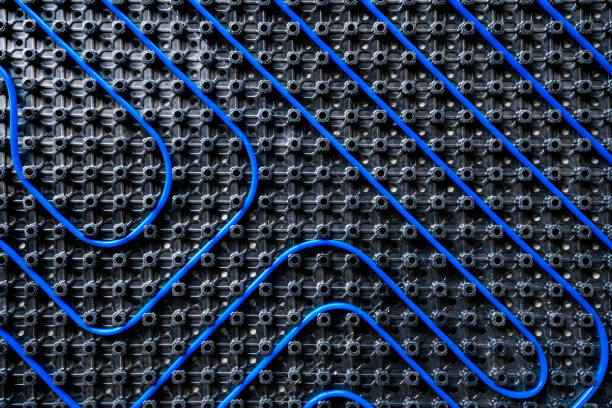
Underfloor heating pipes installation represents a critical process that directly determines system performance, efficiency, and longevity. Proper installation techniques ensure optimal heat distribution, energy efficiency, and trouble-free operation for years to come. This comprehensive guide explores professional installation methods for underfloor heating pipes, covering everything from preparation and planning to testing and commissioning. We will examine best practices for different installation scenarios, common challenges installers face, and solutions that ensure successful projects. Whether you are a professional installer, contractor, or homeowner undertaking a DIY project, understanding these installation principles will help you achieve superior results. The guide also addresses frequently asked questions about installation techniques, spacing considerations, and integration with various floor constructions. Join us as we delve into the practical aspects of underfloor heating pipe installation, providing valuable insights that bridge theoretical knowledge with hands-on application.
Basic Definition and Characteristics
Underfloor heating pipes form the central component of hydronic radiant heating systems, typically made from cross-linked polyethylene (PEX) or multilayer composite materials. These flexible pipes feature excellent thermal conductivity, corrosion resistance, and durability characteristics that make them ideal for floor embedding. The pipes come in various diameters, with 16mm and 20mm being most common for residential applications. Manufacturers design these pipes with oxygen barrier layers to prevent system corrosion and ensure long-term performance.
Professional installers recognize several key characteristics that influence installation approaches. The pipes demonstrate high flexibility, allowing installation in complex patterns without excessive joints. They show good thermal memory, meaning they maintain their shape after heating and cooling cycles. The material compatibility with common floor screeds and adhesives ensures secure embedding without chemical reactions. Installation professionals also appreciate the standardized color coding and markings that simplify identification and ensure correct installation according to manufacturer specifications. These characteristics combine to create a reliable heating medium that performs consistently when installed correctly.
Common Uses and Application Industries
Underfloor heating pipe installation serves diverse applications across multiple sectors. Residential projects form the largest category, including new construction homes, renovation projects, and apartment conversions. Installers work with various floor constructions including concrete slabs, timber subfloors, and floating floor systems. Commercial installations cover office buildings, retail spaces, and hotels where large-area heating requires careful planning and execution. These projects often involve complex zoning and control systems integration.
Industrial applications include warehouse heating, manufacturing facilities, and sports complexes where comfort heating or frost protection is necessary. The healthcare sector utilizes underfloor heating in hospitals, clinics, and care homes for hygienic and comfortable environments. Educational institutions install these systems in schools, universities, and kindergartens for efficient space heating. Specialized applications include greenhouse heating, snow melting systems, and even agricultural building comfort heating. Each application requires specific installation techniques and considerations, making professional expertise valuable for achieving optimal results across different project types and scales.
Frequently Asked Questions (FAQ)
What preparation work is essential before starting pipe installation?
Proper preparation includes subfloor leveling, insulation installation, and careful planning of pipe layouts. Installers must ensure the subfloor is clean, dry, and free from sharp protrusions. They need to install perimeter expansion joints and consider floor construction type. Proper planning involves calculating heat requirements, determining pipe spacing, and identifying manifold locations before beginning installation work.
How do installers determine the optimal pipe spacing for different rooms?
Pipe spacing depends on several factors including heat loss calculations, floor covering type, and required heat output. Generally, spacing ranges from 100mm to 300mm, with closer spacing for areas with higher heat demand. Installers consider external walls, windows, and room usage patterns when planning spacing. They typically use closer spacing near exterior walls and wider spacing in room centers to compensate for heat loss variations.
What are the best practices for securing pipes during installation?
Installers use various methods including clip rails, staple guns, or mesh systems for pipe fixation. The choice depends on floor construction type and personal preference. They ensure pipes maintain consistent spacing and avoid sharp bends during installation. Proper securing prevents pipe movement during screeding or flooring operations and ensures even heat distribution across the entire floor surface.
How should installers handle different floor construction types?
For concrete floors, installers typically embed pipes in screed with insulation beneath. Timber floors may require insulation between joists with plates for heat transfer. Floating floors need special consideration for expansion and heat transfer efficiency. Each construction type requires specific installation techniques and compatible materials to ensure optimal performance and avoid damage to floor structures.
What testing procedures are necessary after installation?
Installers must conduct pressure testing before, during, and after floor covering installation. They typically test at 1.5 times working pressure for至少 30 minutes to check for leaks. Additional tests include flow rate verification and balancing of different circuits. Proper documentation of all tests ensures system integrity and provides reference for future maintenance or modifications.
Conclusion
Professional underfloor heating pipe installation requires careful planning, attention to detail, and adherence to best practices. The installation quality directly impacts system performance, energy efficiency, and long-term reliability. By following proper techniques and understanding the principles behind successful installations, professionals can ensure optimal results for various applications. Remember that each project has unique characteristics, and installers should always consult manufacturer guidelines and local regulations. The investment in proper installation techniques pays dividends through years of comfortable, efficient heating operation. As technology advances, installation methods continue to evolve, offering new opportunities for improved efficiency and performance. Whether working on residential or commercial projects, professional installers who master these techniques deliver superior results that satisfy clients and stand the test of time.