
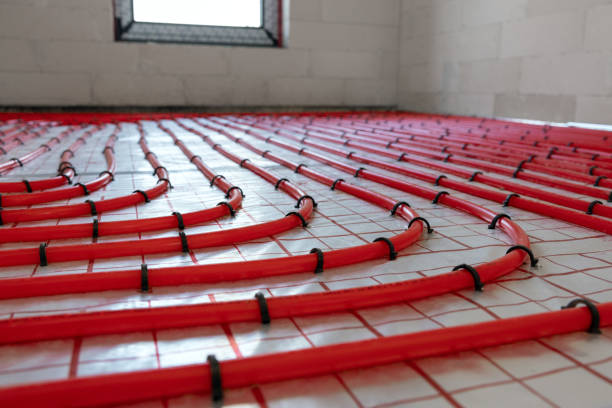
Underfloor heating pipes represent the core component of modern radiant heating systems, where manufacturing quality and installation precision directly determine system performance and longevity. These specialized pipes undergo sophisticated production processes that transform raw materials into high-performance heating elements capable of delivering consistent warmth and energy efficiency. The manufacturing journey involves advanced extrusion technologies, quality control measures, and rigorous testing protocols that ensure reliability under various operating conditions. This comprehensive guide explores the intricate manufacturing processes behind underfloor heating pipes, examining how production techniques influence product characteristics and installation outcomes. We will answer common questions about material selection, manufacturing standards, and technical considerations that professionals encounter during specification and installation. Whether you are a heating engineer, construction professional, or homeowner considering underfloor heating, understanding these processes will provide valuable insights into selecting the right products and ensuring optimal system performance. Join us as we examine the technological excellence behind modern underfloor heating pipe production.
Basic Definition and Characteristics
Underfloor heating pipes feature specialized construction designed specifically for radiant heating applications. Manufacturers typically use cross-linked polyethylene (PEX) or multilayer composite materials that combine flexibility with thermal conductivity. The manufacturing process begins with raw material compounding, where base polymers undergo mixing with additives that enhance thermal properties, oxygen resistance, and long-term stability. Extrusion processes then form these compounds into continuous pipe lengths with precise dimensional tolerances. Advanced production lines incorporate laser measurement systems that continuously monitor wall thickness and diameter consistency.
The cross-linking process represents a critical manufacturing stage that determines the pipe's thermal stability and pressure resistance. Manufacturers employ either peroxide (PEX-a), silane (PEX-b), or electron beam (PEX-c) cross-linking methods, each offering distinct advantages in terms of flexibility and memory characteristics. Quality pipes feature oxygen barrier layers either co-extruded or applied as surface coatings to prevent system corrosion. Final manufacturing stages include printing identification marks, coiling for packaging, and subjecting samples to extensive testing. The entire manufacturing process emphasizes consistency and reliability, with automated systems ensuring each pipe meets strict industry standards for performance and durability.
Common Uses and Application Industries
Underfloor heating pipes serve diverse applications across multiple industries, with manufacturing processes tailored to specific requirements. Residential construction represents the largest application sector, where pipes undergo installation in single-family homes, apartments, and renovation projects. Commercial applications include office buildings, retail spaces, and hotels where large-area heating demands precise manufacturing consistency. Industrial facilities utilize underfloor heating for warehouse spaces, manufacturing areas, and loading bays where freeze protection and comfort heating are essential.
The healthcare industry specifies underfloor heating pipes for hospitals, clinics, and care homes where hygiene and comfort are priorities. Educational institutions incorporate these systems in schools, universities, and sports facilities for efficient space heating. Agricultural applications include greenhouse heating and livestock building comfort systems. Even specialized applications such as snow melting systems for driveways and ramps rely on the same manufacturing quality principles. Each application sector demands specific pipe characteristics, leading manufacturers to develop specialized product lines with optimized properties for different installation environments and performance requirements.
Frequently Asked Questions (FAQ)
What manufacturing standards ensure underfloor heating pipe quality?
Reputable manufacturers adhere to international standards including ISO 9001 quality management systems and product-specific certifications like DIN 4726 or EN ISO 10456. These standards govern material composition, dimensional tolerances, pressure ratings, and long-term performance characteristics. Third-party certification bodies provide additional verification through regular factory audits and product testing.
How do manufacturing processes affect pipe flexibility and installation?
The cross-linking method and material formulation significantly impact pipe flexibility. PEX-a pipes offer the greatest flexibility and memory characteristics, making installation easier with fewer fittings. Manufacturing processes also control the coil memory effect, which affects how pipes behave during uncoiling and placement. Proper manufacturing ensures pipes remain flexible at installation temperatures without kinking or cracking.
What quality control measures during manufacturing prevent future failures?
Manufacturers implement multiple quality checks including raw material verification, in-process dimensional monitoring, and destructive testing of samples. Hydrostatic pressure testing verifies long-term strength characteristics. Oxygen permeability tests ensure barrier effectiveness. Additionally, manufacturers conduct heat cycling tests and aging studies to simulate decades of service life and identify potential failure modes before products reach the market.
How does manufacturing ensure consistent heat transfer performance?
Precision extrusion processes maintain uniform wall thickness and internal smoothness, ensuring consistent fluid flow and heat transfer. Material formulation optimizes thermal conductivity while maintaining flexibility. Manufacturing controls also ensure consistent cross-linking density throughout the pipe length, preventing hot spots or variations in heat output. These factors combine to deliver predictable and efficient heating performance.
What manufacturing innovations have improved underfloor heating pipes recently?
Recent advancements include multilayer composite pipes that combine different material advantages, improved oxygen barrier technologies, and enhanced surface coatings for better concrete adhesion. Manufacturing innovations also include more sustainable production methods, recycled material incorporation, and improved energy efficiency in production processes. These innovations result in pipes that offer better performance, easier installation, and reduced environmental impact.
Conclusion
The manufacturing processes behind underfloor heating pipes combine material science excellence with precision engineering to create reliable and efficient heating solutions. Understanding these processes helps professionals and homeowners appreciate the technology behind these systems and make informed product selections. From raw material selection to final quality verification, each manufacturing step contributes to the pipe's performance, durability, and installation characteristics. As manufacturing technology continues to advance, we can expect further improvements in efficiency, sustainability, and application versatility. When selecting underfloor heating pipes, consider manufacturers with strong quality credentials, technical expertise, and comprehensive testing protocols. The right manufacturing quality ensures not only immediate performance but also decades of reliable service, making it a crucial factor in achieving successful underfloor heating installations. Always remember that quality manufacturing forms the foundation of efficient, durable, and trouble-free underfloor heating systems.