

Introduction: Why 1 Inch PPR Pipes Matter
When it comes to plumbing and water supply systems, size doesn’t always determine strength. The 1 inch PPR pipe is a prime example of a compact yet powerful solution for residential, commercial, and light industrial piping. With excellent thermal resistance, long service life, and ease of installation, this modest-sized pipe delivers big results. In this article, we'll explore why 1 inch PPR pipes are so effective, where they are used, how to choose the right one, and what makes them a top choice in modern plumbing.
Frequently Asked Questions (FAQ)
1. What is a 1 inch PPR pipe used for?
It’s commonly used for hot and cold water systems in homes, small buildings, and light commercial plumbing.
2. Is a 1 inch PPR pipe suitable for hot water?
Yes. PPR pipes can handle temperatures up to 95°C, making them perfect for hot water supply.
3. How much pressure can a 1 inch PPR pipe handle?
Depending on the pressure rating (PN), it can handle up to 20 bar in cold water systems and 10 bar in hot water lines.
4. Is it easy to install a 1 inch PPR pipe?
Yes. With a socket fusion tool, installation is quick, clean, and reliable, even for non-professionals.
5. How long does a 1 inch PPR pipe last?
When installed properly, it can last 50 years or more, especially under normal pressure and temperature conditions.

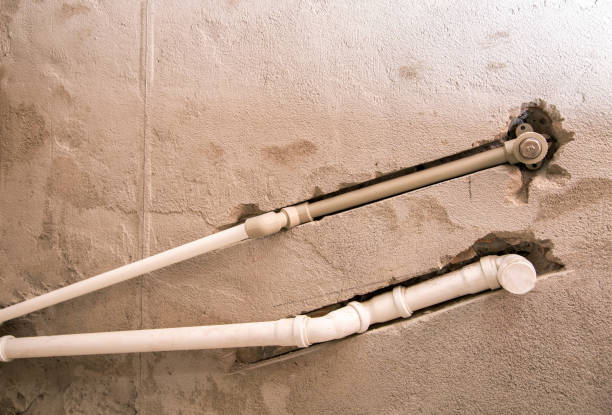
What Is a 1 Inch PPR Pipe?
A 1 inch PPR pipe refers to a pipe made from polypropylene random copolymer (Type 3) with an outer diameter of approximately 32mm (1.25 inch)—commonly rounded to “1 inch” in plumbing terminology.
Key Characteristics:
- Lightweight but strong
- Corrosion-resistant
- Non-toxic and BPA-free
- Smooth interior walls to reduce friction
- Excellent thermal insulation
These features make it ideal for water systems that require safe, long-lasting performance with minimal maintenance.
Common Applications of 1 Inch PPR Pipes
Despite its small size, the 1 inch PPR pipe is highly versatile. It supports various applications where space is limited but performance is critical.
Residential Use:
- Hot and cold water supply for kitchens and bathrooms
- Solar water heating system pipes
- Underfloor heating circulation lines
Commercial Use:
- Office restroom plumbing
- Cafeterias and kitchens
- HVAC systems in small buildings
Light Industrial Use:
- Cooling water lines
- Air compressor systems (low to medium pressure)
- Chemical and food-safe piping (non-toxic PPR)
Whether it's a small apartment or a multi-unit complex, this pipe handles pressure and temperature demands efficiently.
Buying Guide: How to Choose a Quality 1 Inch PPR Pipe
When shopping for 1 inch PPR pipes, don't just look at price. Pay attention to key quality indicators that ensure long-term reliability:
1. Raw Material
- Opt for pipes made with 100% virgin PPR Type 3 resin
- Check for smooth finish and uniform color
2. Pressure Rating (PN)
- PN16: Standard for most cold and hot water systems
- PN20: Suitable for high-pressure or high-temperature environments
3. Color Coding
- Green and white are common, though color may indicate UV protection or regional standards
4. Certifications
- Look for ISO 15874, DIN 8077/8078, or CE marking
- These prove compliance with international safety and performance standards
5. Brand Reputation
- Choose trusted brands with transparent labeling, consistent product specs, and after-sales support
Installation Tips for 1 Inch PPR Pipes
Proper installation ensures leak-free operation and maximum lifespan. Here’s how to do it right:
- Cut the Pipe Straight
Use a PPR pipe cutter to ensure a clean, 90° cut. - Heat with a Socket Fusion Tool
Heat both pipe and fitting for about 6–8 seconds (follow tool instructions). - Join Quickly and Hold
Push them together straight—don’t twist. Hold in place for 30–60 seconds to cool. - Inspect the Weld
A small, even bead around the joint indicates proper fusion. - Allow for Cooling
Wait at least 10 minutes before testing or pressurizing the system.
1 Inch PPR Pipe vs Other Pipe Types (Comparison Table)
| Feature | 1 Inch PPR Pipe | 1 Inch PVC Pipe | 1 Inch Copper Pipe | 1 Inch PEX Pipe |
|---|---|---|---|---|
| Temperature Resistance | Up to 95°C | Up to 60°C | Over 100°C | Up to 82°C |
| Pressure Resistance | High (PN16–PN20) | Moderate | High | Moderate |
| Jointing Method | Heat fusion | Glue (solvent weld) | Soldering | Crimping/Fittings |
| Longevity | 50+ years | 20–30 years | 50+ years | 25–40 years |
| Health Safety | BPA-free, hygienic | Chemical concerns | Safe if lead-free | Safe but not seamless |
| Installation Ease | Moderate | Easy | Complex | Easy |
Verdict: The 1 inch PPR pipe strikes the best balance between safety, durability, and ease of use—especially for hot water systems.
Conclusion: Small Pipe, Strong Impact
The 1 inch PPR pipe may seem small, but its performance is anything but minor. From thermal resistance and long service life to pressure endurance and health safety, it packs all the qualities needed for modern water systems.
Whether you’re outfitting a home bathroom, an apartment complex, or a small commercial facility, choosing the right 1 inch PPR pipe means investing in a quiet, safe, and maintenance-free water delivery system that lasts for decades.
If you're looking for a compact but powerful plumbing solution, this pipe proves that small really can be mighty.