
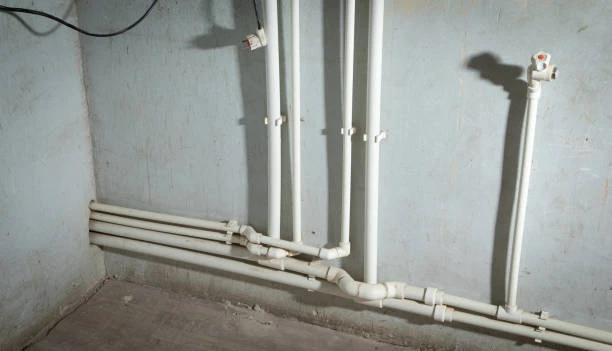
Introduction: The Changing Landscape of the PPR Pipe Industry
The market for PPR (Polypropylene Random Copolymer) pipes has evolved dramatically over the past decade. Once primarily used for residential plumbing, PPR pipe applications now span commercial buildings, industrial systems, renewable energy, and even agriculture. This expansion is powered by new technologies, shifting regulations, sustainability initiatives, and infrastructure investments. In this guide, we explore the key trends shaping the PPR pipe market, helping professionals and buyers stay ahead in a rapidly changing world.
Frequently Asked Questions (FAQ)
1. What’s driving the growth in the PPR pipe market?
Increasing demand for safe drinking water systems, rising investments in infrastructure, and stricter environmental regulations.
2. Are new applications emerging for PPR pipes?
Yes. PPR is gaining traction in solar heating, chemical transport, irrigation, and compressed air systems beyond traditional plumbing.
3. Is demand shifting toward higher specs?
Definitely. Customers now prefer pipes with higher pressure and heat ratings (PN16, PN20), as well as certified materials for health and safety.
4. Does sustainability matter in PPR pipe manufacturing?
Absolutely. Manufacturers are focusing on recycled content, carbon footprint reduction, and eco-labeling to meet green building standards.
5. How are digital and smart technologies affecting the market?
Digital tracking, automated fusion tools, and IoT-enabled monitoring systems are improving installation accuracy and traceability.

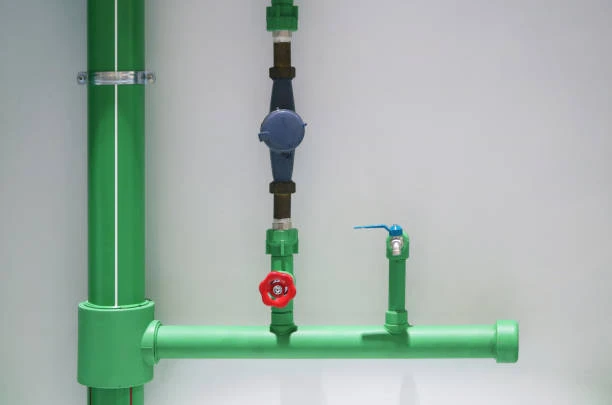
What Is Fueling the Shift?
1. Infrastructure Investments
Governments worldwide are investing heavily in water supply and heating upgrades. These public efforts, especially in emerging economies, support strong demand for durable, leak-resistant piping solutions like PPR.
2. Environmental Regulations
Regulations aimed at reducing lead, chlorine, and volatile organic compounds (VOCs) make PPR pipes more attractive than alternatives such as copper, PVC, or steel.
3. Growth in Residential and Commercial Construction
Fast urbanization is fueling new apartment buildings, hotels, offices, and mixed-use projects. The rapid installation and long lifespan of PPR systems align with project needs.
4. Expansion into Specialty Applications
Beyond plumbing, PPR is now used in:
- Solar thermal systems—resistant to high temperatures.
- Compressed air networks—for dry, leak-free industrial lines.
- Chemical transport—thanks to corrosion resistance.
- Underfloor heating systems—value-added products gain share.
Market Trends Worth Watching
📈 Trend 1: Upscaling Pressure and Temperature Ratings
End-users prefer high-spec PPR pipes:
- PN16 and PN20 are increasingly requested.
- Specialized outliers like PN25 are now available for heavy-duty industrial projects.
📐 Trend 2: Bigger Diameters, Not Just Mini Pipes
While 1–2 inch pipes remain core, the demand for larger diameters (4–6 inches) is growing—dominating irrigation, fire systems, and industrial distribution networks.
🌱 Trend 3: Sustainability Becomes Essential
Manufacturers emphasize:
- Recycled PPR content (without sacrificing quality).
- Lower carbon emissions via smarter production.
- Certifications like LEED, BREEAM, and Green Star for project eligibility.
🔧 Trend 4: Automation and Quality Assurance
Fusion machines now include digital heating controls, fusion data logs, and calibration alerts. More DPA (digital pressure audit) and ISO 9001‑based testing enrich quality management.
🌍 Trend 5: Regional Manufacturing Hubs
Asia, especially China, India, and Southeast Asia, dominates production and export. Meanwhile, Europe focuses on high-precision and certified-grade products, and North America sees niche, high-spec growth.
💻 Trend 6: E-commerce and Supplier Platforms
Digital marketplaces are transforming sales. Online tools let buyers compare pipes by size, certification, lead time, and price—all in one place.
Opportunities for Industry Players
- Pipe manufacturers can grow by offering smart fusion tools, data-driven warranties, and long-term service contracts.
- Distributors should diversify with eco-friendly and high-spec product lines to attract green-building clients.
- Contractors will benefit from adopting digital traceability and smart diagnostics to reduce errors and improve resale value.
Comparing PPR Market Trends vs Other Pipelines
| Aspect | PPR Market Trends | PVC Pipes | Copper Pipes | PEX Pipes |
|---|---|---|---|---|
| Regulatory Push | Lead/BPA‑free, sustainability mandates | Phased reductions in chlorine, DBP | Replace due to lead solder phase‑out | Increasing use, less eco visibility |
| Pressure Ratings | Moving to PN16+/PN20 | Mostly PN10/13.6 | High-pressure standard | PN10 mostly; PN16 available |
| Smart Technologies | Fusion data logging, IoT, traceable parts | Not widely used | None (manual installation) | Crimp tools only |
| Sustainability Focus | Reprocessed PPR, carbon labeling, green certifications | PVC recycling efforts | Metallurgical mining footprint | Recyclable, but less data transparency |
| Market Growth | Strong double-digit growth in emerging markets | Moderate in overlays and retrofits | Flat/declining in developed countries | Growing for retrofit housing systems |
Challenges to Address
- Limited Awareness in Emerging Regions
Regions that still favor traditional metal or PVC piping systems require education on PPR benefits. - Price Sensitivity
Higher-spec PPR systems can be more expensive upfront; clients need compelling ROI and lifecycle savings arguments. - Standardization Gaps
Inconsistent regional specs (metric vs imperial) and quality variance underscore the need for global certification alignment. - Skills & Training
Smart fusion tools and IoT integrations require installers to learn new methods—a valuable but neglected opportunity.
What This Means for You
- Manufacturers: Diversify into smart tools, offer eco-certified lines, and localize factories to reduce logistics costs.
- Distributors: Educate clients, bundle high-spec and green products, and shift toward online sales.
- Contractors and Engineers: Embrace traceable installation, Opt for high-pressure ratings, and learn smart-fusion tech.
Future Outlook: What's Next?
- IoT-Connected PPR Systems
Pipes with embedded chips capturing temperature, pressure, and joint integrity. - Carbon-Neutral Production
Factories powered by renewables and green procurement will gain certification and market access. - Hybrid Systems
Composite pipes (PPR layer plus aluminum) for superior strength and fire resistance. - Modular, Pre-Fabricated Logic
Pre-welded PPR modules for HVAC, restroom pods, or remote installations that streamline labor.
Conclusion: Stay Ahead with Smart Choice
The PPR pipe market is more dynamic than ever. If you’re selecting pipes, building products, or investing in a factory, consider future trends rather than past norms. Demand is rising for:
- High-pressure, high-temperature pipes (PN16+)
- Smart, traceable installation systems
- Eco-friendly manufacturing and supply systems
By staying aware of these emerging trends, you'll be poised to lead—not just adapt—as the PPR market continues to evolve.