
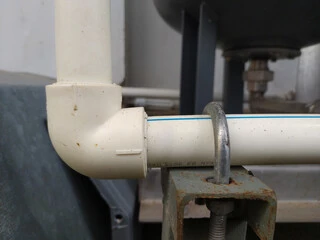
Introduction: Why PPR Fitting Sizes Matter
When installing a plumbing or heating system using PPR (Polypropylene Random Copolymer) pipes, choosing the right fitting size is essential. The size not only determines flow capacity but also affects system compatibility, pressure handling, and installation efficiency. This guide covers everything you need to know about PPR fitting sizes, from the most common 20mm to large-scale 160mm options—so you can plan your project with precision and confidence.
FAQ: Common Questions About PPR Fitting Sizes
1. What are the standard sizes for PPR fittings?
Standard PPR fitting sizes range from 20mm to 160mm, suitable for residential, commercial, and industrial systems.
2. How do I choose the right PPR fitting size?
Match the fitting size to your pipe size and water flow requirement. Larger systems typically need 50mm and above.
3. Are all fittings available in every size?
Most fittings like elbows, tees, and couplings are available in all sizes. Some specialty items may have limited ranges.
4. Can I mix PPR fitting sizes?
Yes, by using reducers or adaptors, you can safely connect different pipe diameters.
5. Is 20mm PPR fitting enough for a home water system?
Yes, 20mm–32mm sizes are commonly used for domestic plumbing, especially for bathroom and kitchen lines.


PPR Fitting Sizes Overview
PPR fittings are sized by outer diameter (OD) in millimeters. Below is a list of commonly available sizes and their typical use cases:
| Size (mm) | Common Application |
|---|---|
| 20 mm | Residential sinks, toilets, kitchen taps |
| 25 mm | Small water supply branches, garden irrigation |
| 32 mm | Main water supply lines for homes |
| 40 mm | Larger homes, commercial water systems |
| 50 mm | Small apartment complexes, light industrial use |
| 63 mm | Central heating, high-flow water supply |
| 75 mm | Institutional buildings, high-demand piping |
| 90 mm | Large commercial or mixed-use buildings |
| 110 mm | Industrial plants, irrigation systems, main pipelines |
| 125 mm | Wastewater systems, factory-level applications |
| 160 mm | Main supply pipes in industrial/commercial areas |
Types of PPR Fittings and Their Size Availability
| Fitting Type | Size Range Available |
|---|---|
| Elbow (90°, 45°) | 20mm – 160mm |
| Tee | 20mm – 160mm |
| Coupling | 20mm – 160mm |
| Reducer | 25x20mm – 160x110mm |
| End Cap | 20mm – 160mm |
| Union | 20mm – 110mm |
| Male/Female Thread | 20mm – 63mm |
Some high-pressure systems may use reinforced fittings or brass inserts, particularly for threaded connections between plastic and metal systems.
Choosing the Right Size: Factors to Consider
When selecting a PPR fitting size, consider:
- Water Flow Demand
- Small lines (20–32mm): Ideal for single fixtures
- Medium lines (40–63mm): Suitable for apartments and commercial branches
- Large lines (75–160mm): Used for mains and high-volume systems
- Pipe Pressure Rating
Ensure the pipe and fittings match in pressure class (e.g., PN10, PN16, PN20). - System Layout
Use smaller fittings for branch lines and larger fittings for main supply or return lines. - Compatibility
Use the same brand or certified standard to ensure perfect fit and heat fusion integrity.
Reducing and Adapting Between Sizes
For systems that require different pipe sizes, reducers and adaptors are used to connect transitions safely.
Examples:
- Reducer Coupling 32mm x 20mm: Joins a 32mm pipe to a 20mm fitting
- Reducing Tee 50mm x 32mm x 32mm: Allows branching off a main 50mm line
- Threaded Male Adaptor 25mm x ¾”: Connects plastic pipe to metal valve
Always ensure the fusion area is clean, aligned, and properly heated to prevent leaks.
PPR Fittings by Project Type
| Project Type | Suggested Size Range |
|---|---|
| Residential homes | 20mm – 32mm |
| Apartment buildings | 32mm – 63mm |
| Hospitals/schools | 50mm – 90mm |
| Factories/industry | 75mm – 160mm |
| Agriculture | 40mm – 110mm |
| Wastewater systems | 90mm – 160mm |
Using the right size not only improves flow performance but also reduces pressure drop and long-term maintenance.
Tips for Handling Large Sizes (75mm–160mm)
- Use larger fusion tools or hydraulic butt fusion machines.
- Pre-plan the system layout due to limited flexibility of large pipes.
- Ensure support brackets and secure fittings to reduce stress.
- Always consult manufacturer specs for heating and cooling times.
Conclusion: Size Selection Leads to System Success
Understanding PPR fitting sizes helps you design plumbing systems that are efficient, cost-effective, and long-lasting. From 20mm residential fittings to 160mm industrial connectors, each size serves a specific purpose. Always consider flow rate, pressure requirements, and installation environment before selecting your fittings.
By choosing the right size and proper installation method, you’ll ensure a leak-free, high-performance system that lasts for decades.