
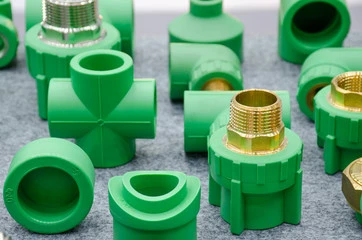
Introduction: Why PPR Fittings Are a Game-Changer in Plumbing
PPR (Polypropylene Random Copolymer) fittings are a popular solution in modern plumbing due to their durability, chemical resistance, and long service life. Whether you're installing a domestic water system or working on a large commercial project, PPR fittings offer strong, leak-free connections that stand the test of time. In this guide, you'll learn how to use PPR fittings effectively and why they're one of the best choices for plumbing systems today.
FAQ: Common Questions About PPR Fittings
1. What are PPR fittings used for?
PPR fittings connect PPR pipes in plumbing systems for hot and cold water, heating, and chemical transport.
2. Are PPR fittings suitable for hot water?
Yes. PPR can handle temperatures up to 95°C, making it ideal for hot water systems.
3. Do I need glue or sealant for PPR fittings?
No. PPR fittings are joined using heat fusion, creating a seamless and leak-proof bond.
4. What sizes are available for PPR fittings?
Sizes typically range from 20mm to 160mm, covering domestic to industrial needs.
5. Can I install PPR fittings myself?
Yes, with basic tools and training, you can safely fuse and install PPR fittings at home.


What Are PPR Fittings?
PPR fittings are components used to connect PPR pipes in various configurations. They’re made from polypropylene random copolymer, a plastic material known for its high thermal and chemical resistance. Unlike metal or PVC fittings, PPR fittings are joined by fusion welding, forming a homogeneous and permanent connection that eliminates the risk of leaks or corrosion.
Main Features of PPR Fittings
- High temperature resistance: Up to 95°C, suitable for hot water.
- Non-toxic and safe: Ideal for drinking water systems.
- Smooth interior walls: Reduce pressure loss and avoid blockages.
- Corrosion resistance: No rust or scaling.
- Low thermal conductivity: Prevents heat loss in hot water systems.
- Long service life: Over 50 years under normal conditions.
Types of PPR Fittings
| Fitting Type | Use Case |
|---|---|
| Elbow (90°/45°) | Changing direction in the piping system |
| Tee | Connecting three pipes together |
| Coupling | Joining two straight pipe sections |
| Reducer | Connecting different pipe diameters |
| End Cap | Sealing off the end of a pipe |
| Male/Female Thread | Connecting to metal or threaded parts |
| Union | Easy maintenance and disassembly |
Applications of PPR Fittings in Plumbing
PPR fittings are used across various sectors, including:
- Residential plumbing: Bathrooms, kitchens, and hot water systems
- Commercial buildings: Central heating, HVAC systems
- Industrial facilities: Transporting chemical fluids
- Agricultural irrigation: Durable and leak-proof piping
- Hospital and food-grade plumbing: Due to PPR’s hygienic nature
How to Install PPR Fittings Correctly
- Cut the pipe: Use a pipe cutter to make a clean, straight cut.
- Clean and align: Make sure both the pipe and fitting are clean and debris-free.
- Heat fusion: Use a fusion welding machine to heat both ends.
- Push and hold: Push the pipe into the fitting and hold for a few seconds.
- Cooling: Allow the connection to cool naturally—don’t touch or move it during this time.
📌 Tip: Never overheat the fitting or pipe. Follow the machine’s temperature guidelines (typically around 260°C).
PPR Fittings vs. Other Fittings
| Feature | PPR Fittings | PVC Fittings | Copper Fittings |
|---|---|---|---|
| Joining Method | Heat fusion | Solvent cement | Soldering |
| Leak Resistance | Excellent | Moderate | Good |
| Corrosion Proof | Yes | Yes | No |
| Temperature Range | Up to 95°C | Up to 60°C | 100°C+ |
| Installation Skill | Easy | Easy | Moderate to hard |
| Environmental Impact | Low | Medium | High |
Choosing the Right PPR Fittings for Your Project
When selecting fittings, consider the following:
- Size: Match the pipe size (e.g., 20mm, 32mm, 50mm)
- Color: Green, white, or grey (functionally similar; may differ by application)
- Pressure rating: PN10, PN16, PN20 (depending on system pressure)
- Certification: ISO 15874, DIN 8077/8078, CE certified for quality
- Application type: Residential, industrial, food-grade, etc.
Conclusion: Strong, Seamless, and Smart Plumbing
PPR fittings are a powerful solution for anyone looking to build a reliable, leak-free plumbing system. Thanks to their durability, safety, and ease of installation, they have become the preferred choice for professional plumbers and DIY users alike. Whether you're starting a new build or upgrading an old system, choosing the right PPR fittings ensures long-term performance with peace of mind.