

Introduction
China has become a global leader in manufacturing high-quality PPR pipes, combining advanced technology with competitive pricing. For buyers worldwide, China PPR pipe offers an attractive option that balances durability, performance, and cost-effectiveness. Whether you are a contractor, distributor, or homeowner, sourcing PPR pipes from China means accessing a broad range of products suitable for residential, commercial, and industrial applications. This article explores the key features, common uses, buying tips, and installation advice for China-made PPR pipes to help you make an informed purchasing decision.
FAQ: Common Questions About China PPR Pipe
1. Why choose PPR pipes from China?
Chinese manufacturers often provide high-quality products at competitive prices due to efficient production methods and scale.
2. Are Chinese PPR pipes reliable for hot water systems?
Yes, many Chinese PPR pipes meet international standards and can safely carry hot water up to 95°C.
3. How do I verify the quality of China PPR pipes?
Look for certifications like ISO 15874 or DIN standards and request product samples or test reports.
4. Can I buy China PPR pipes in bulk?
Absolutely. Many Chinese suppliers specialize in wholesale and export, offering flexible order sizes.
5. What about shipping and delivery times?
Shipping times depend on your location and chosen logistics. Reliable suppliers provide clear delivery estimates and tracking.

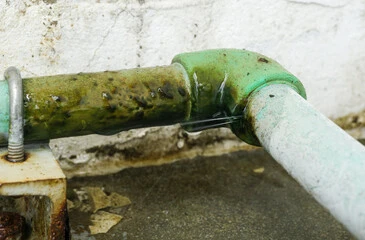
Definition and Key Features of China PPR Pipe
China PPR pipes are made from polypropylene random copolymer, a durable thermoplastic ideal for plumbing and heating systems. China’s leading manufacturers use modern extrusion lines and strict quality control to ensure consistent pipe thickness, smooth surfaces, and strong weldability.
Key features include:
- Corrosion and chemical resistance: Does not rust or degrade easily, even in harsh water conditions.
- Thermal resistance: Handles temperatures up to 95°C, suitable for hot and cold water.
- Non-toxic and hygienic: Safe for drinking water systems.
- Smooth interior surface: Ensures optimal flow and minimizes pressure loss.
- Lightweight: Easier to handle and install compared to metal pipes.
- Long service life: Typically exceeds 50 years when installed properly.
Common Uses and Application Industries
China PPR pipes serve a wide variety of sectors:
- Residential plumbing: Delivering hot and cold water in homes and apartments.
- Commercial buildings: Reliable piping for offices, hotels, and hospitals.
- Industrial systems: Used for chemical transport, compressed air, and heating systems.
- Agriculture: Efficient irrigation solutions for farms and greenhouses.
- HVAC: Circulation of heating and cooling water in modern buildings.
The versatility and affordability of Chinese PPR pipes have made them a preferred choice for global projects.
Buying Guide: How to Select China PPR Pipes
When buying PPR pipes from China, consider these factors to ensure quality and value:
- Check manufacturer credentials
Opt for suppliers with certifications such as ISO 9001 and product-specific standards like ISO 15874. - Material grade and composition
Confirm the pipes are made from genuine polypropylene random copolymer without harmful additives. - Pipe dimensions and pressure rating
Choose pipes that match your system’s size and pressure requirements (e.g., PN16, PN20). - Color and branding
Many Chinese PPR pipes come in green, white, or gray. Branded pipes may have traceability marks for quality assurance. - Samples and testing
Request samples to test welding compatibility and durability before placing large orders. - Delivery and logistics
Discuss shipping options, lead times, and packaging to prevent damage during transit.
Installation Tips for China PPR Pipe
Proper installation maximizes the performance and lifespan of PPR pipes:
- Use a quality fusion welding machine to join pipes and fittings.
- Prepare pipe ends carefully, ensuring they are clean and cut straight.
- Control heating and cooling times precisely during welding to avoid weak joints.
- Avoid exposure to direct sunlight before installation to prevent UV damage.
- Support long pipe runs adequately to prevent sagging.
- Pressure test the system after installation to check for leaks.
China PPR Pipe vs Other International Brands
| Feature | China PPR Pipe | European PPR Pipe | Local Brands (Various Countries) |
|---|---|---|---|
| Price | Competitive and affordable | Generally higher due to stricter controls | Varies widely depending on country |
| Quality control | Strong, improving rapidly with modern tech | Strict with consistent high standards | Mixed quality, depends on manufacturer |
| Certification | ISO, DIN, some suppliers have WRAS, NSF | CE, WRAS, ISO certified | Depends on region |
| Product range | Wide selection for various applications | Wide but often pricier | Usually limited |
| Export capability | Excellent with global logistics support | Strong but costlier | Often limited to domestic market |
Thanks to ongoing improvements, Chinese PPR pipes are gaining trust globally by offering high quality at competitive prices.
Conclusion
China has emerged as a leading manufacturer and exporter of PPR pipes, offering products that combine quality, affordability, and reliability. When sourcing PPR pipes from China, buyers benefit from a wide product range, compliance with international standards, and efficient logistics support. By selecting reputable manufacturers, verifying certifications, and following proper installation practices, you can confidently use China PPR pipes for a variety of plumbing, industrial, and agricultural applications. This balance of quality and price makes China PPR pipes a smart choice for both small and large projects worldwide.