
Introduction
Properly fitting PPR (Polypropylene Random Copolymer) pipe is crucial for creating plumbing systems that are durable, efficient, and leak-free. While PPR pipes themselves are known for their strength and resistance to corrosion, the success of any piping system depends heavily on how well the joints and fittings are installed. Faulty connections can lead to leaks, water damage, and costly repairs. This article covers essential tips for fitting PPR pipes, guiding you through the basics, common issues, best practices, and comparisons with other joint methods to ensure your plumbing system lasts for decades.
FAQ: Common Questions About Fitting PPR Pipe
1. What types of fittings are used with PPR pipes?
Common fittings include elbows, tees, reducers, couplings, and end caps, all designed to match PPR pipes in size and material.
2. How do I ensure a leak-free joint with PPR fittings?
Use proper fusion welding techniques with the correct heating time, pressure, and cooling period to form strong, homogenous joints.
3. Can I use mechanical fittings with PPR pipes?
Yes, but fusion welding is preferred for permanent, leak-free connections. Mechanical fittings are used for temporary or repair purposes.
4. What tools are needed for fitting PPR pipes?
A PPR welding machine (fusion tool), pipe cutter, measuring tape, and cleaning cloth are essential tools.
5. How long do PPR joints last?
Properly made fusion joints last as long as the pipes themselves, often over 50 years, without leaks or failures.


Definition and Key Features of PPR Pipe Fittings
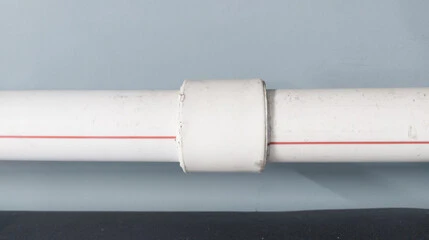
PPR pipe fittings are components designed to connect, change direction, or terminate PPR pipes in plumbing systems. Made from the same polypropylene random copolymer material as the pipes, these fittings ensure compatibility in thermal expansion, durability, and chemical resistance.
Key features include:
- Material consistency: Same material as pipes for strong, seamless joints.
- Thermal resistance: Withstand hot and cold water up to 95°C.
- Corrosion-free: No rust or scaling inside fittings.
- Variety of shapes: Elbows, tees, reducers, couplings, unions, and end caps.
- Lightweight: Easy to handle and install on-site.
- Smooth interior: Maintains flow efficiency without turbulence.
Common Applications of PPR Fittings
PPR fittings are essential for many systems, including:
- Residential plumbing – Connecting water supply lines in homes and apartments.
- Commercial plumbing – Used in hotels, hospitals, and office buildings for reliable water distribution.
- Industrial piping – Chemical transport, heating systems, and compressed air lines.
- Agricultural irrigation – Efficient water distribution in farms and greenhouses.
- HVAC systems – Heating and cooling water circulation.
Essential Tips for Leak-Free PPR Pipe Fitting
- Use the correct fusion welding machine
Choose a high-quality, adjustable temperature welding tool suitable for the pipe diameter. - Clean pipes and fittings before welding
Remove dirt, grease, and moisture using a clean cloth to ensure strong fusion. - Cut pipes squarely
Use a proper pipe cutter for straight, smooth ends without burrs. - Match pipe and fitting sizes exactly
Using mismatched sizes causes weak joints and leaks. - Heat both pipe and fitting ends evenly
Follow manufacturer’s recommended heating time based on pipe diameter. - Join immediately after heating
Press pipe and fitting together smoothly, twisting slightly to ensure even fusion. - Hold joint steady during cooling
Allow sufficient cooling time without movement to form a strong bond. - Avoid over- or under-heating
Overheating can deform the material; under-heating leads to weak fusion. - Check joint alignment
Ensure fittings are aligned properly before the joint sets. - Perform pressure testing after installation
Detect leaks early by testing the entire system before use.
Installation Considerations and Common Issues
- Avoid welding in windy or dusty environments
Particles or uneven cooling may weaken joints. - Don’t force or bend joints before cooling
Premature stress can cause micro-cracks. - Use proper support and clamps
Prevent sagging or stress on joints over long runs. - Regularly inspect welded joints
Look for discoloration or deformities as warning signs.
PPR Pipe Fitting vs Other Joining Methods
| Feature | PPR Fusion Welding | Mechanical Fittings | Solvent Cement (PVC) |
|---|---|---|---|
| Leak resistance | Very high, seamless joint | Moderate, potential for loosening | Moderate, depends on solvent quality |
| Installation speed | Moderate, requires heating and cooling | Fast, no heating needed | Fast, but fumes and cure time needed |
| Durability | Long-lasting, up to 50 years | Shorter lifespan, possible maintenance | Moderate lifespan |
| Equipment needed | Welding machine and training | Basic hand tools | Solvent cement and brushes |
| Cost | Moderate to high (equipment investment) | Moderate | Low |
| Suitable applications | Hot and cold water, chemical lines | Temporary setups, repairs | Cold water, drainage |
Fusion welding remains the preferred method for permanent, leak-free PPR pipe fittings.
Conclusion
Fitting PPR pipes correctly is the foundation of a durable, leak-free plumbing system. By understanding the materials, using the right tools, and following best fusion welding practices, you can ensure strong, long-lasting joints that perform flawlessly under various conditions. Whether you are a professional plumber or a DIY enthusiast, paying close attention to cleaning, alignment, heating, and cooling during installation will save you time and money by preventing leaks and costly repairs. Ultimately, well-fitted PPR pipe systems combine ease of installation, reliability, and long service life, making them an excellent choice for modern plumbing and industrial applications.