
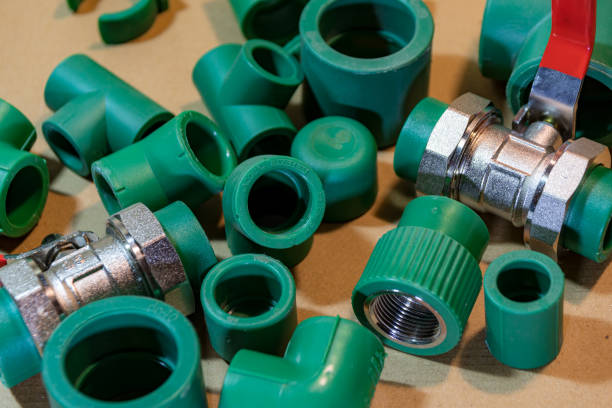
Introduction: What Are PPR Pipe Fittings?
PPR (Polypropylene Random Copolymer) pipe fittings are essential components used to connect, control, and manage the flow of fluids in piping systems. Known for their durability, heat resistance, and chemical stability, PPR fittings are suitable for a wide range of applications—from household water supply to industrial fluid transportation.
This comprehensive guide covers the types, uses, advantages, and installation considerations for PPR pipe fittings across all systems.
FAQ: PPR Pipe Fittings Explained
1. What is the main purpose of PPR fittings?
They connect PPR pipes in plumbing, heating, and industrial systems, ensuring leak-free and long-lasting performance.
2. Are PPR fittings safe for drinking water?
Yes, PPR is non-toxic and certified safe for potable water applications.
3. Can PPR pipe fittings be used outdoors?
They can be used outdoors if protected from direct UV exposure, which may degrade the plastic over time.
4. How are PPR fittings joined?
They are joined through heat fusion, creating strong, seamless connections without glue or sealants.
5. How long do PPR fittings last?
With proper installation, they can last more than 50 years.


Types of PPR Pipe Fittings
Here’s an overview of the most commonly used PPR fittings:
| Fitting Type | Description & Use |
|---|---|
| Elbows (90°, 45°) | Change the direction of water flow |
| Tees (Equal & Reducer) | Branch one pipe into two |
| Couplings | Join two pipes in a straight line |
| Reducers | Connect pipes of different diameters |
| End Caps | Seal off the ends of pipes |
| Unions | Connect two pipes with an easy-to-remove joint |
| Flanges | Connect pipes to tanks or valves |
| Ball Valves | Manually control the flow of water |
| Threaded Adapters | Connect PPR pipes to metal or threaded components |
| Saddle Clamps | Add branches without cutting the main pipe |
Applications: Where PPR Fittings Are Used
PPR pipe fittings are versatile and support a wide range of systems:
Residential Plumbing
- Hot and cold water supply
- Bathroom and kitchen plumbing
- Underfloor heating systems
Commercial Buildings
- Centralized heating and cooling
- Water supply in hotels, schools, hospitals
Industrial Facilities
- Chemical fluid transport
- Process water systems
- Compressed air systems
Agricultural & Irrigation
- Greenhouse water networks
- Drip and sprinkler irrigation systems
Municipal Infrastructure
- Urban water supply
- Sewage and drainage lines
Advantages of PPR Pipe Fittings
- Corrosion Resistant: No rusting or scaling like metal fittings
- Leak-Free Joints: Heat fusion creates secure and seamless connections
- Long Service Life: Up to 50 years with minimal maintenance
- High Pressure & Temperature Resistance: Suitable for both hot and cold water
- Eco-Friendly & Recyclable: Safe for the environment
- Hygienic: Non-toxic and bacteria-resistant interior surface
- Low Thermal Conductivity: Reduces heat loss in hot water systems
- Cost-Efficient: Long lifespan means less frequent replacement
Choosing the Right PPR Fittings for Your System
When selecting PPR fittings, consider the following factors:
- Pipe Size Compatibility: Match fitting size (e.g., 20mm to 160mm) to your piping system
- Pressure Rating: Ensure the fitting supports system pressure (PN16, PN20, etc.)
- Application Type: Use fittings rated for hot water if needed
- Certifications: Look for ISO, DIN, or other compliance labels
- Color: Common colors include green, white, and grey—green and white are often used in plumbing
- Brand Reliability: Choose fittings from reputable manufacturers to ensure quality
Installation Guidelines for PPR Pipe Fittings
Proper installation ensures long-term performance. Keep these tips in mind:
- Use the Correct Welding Tool: The fusion machine should match the size of your fittings.
- Cut Pipes Cleanly: Use a pipe cutter to ensure straight, burr-free ends.
- Clean Before Fusion: Wipe both pipe and fitting to remove dust or oil.
- Heat Evenly: Insert both ends into the fusion tool for the recommended time.
- Join Quickly: After heating, insert the pipe into the fitting firmly and hold for a few seconds.
- Let It Cool: Do not twist or move the joint while cooling.
- Test the System: Pressure-test the system before use to detect leaks.
PPR Fittings vs. Other Pipe Fitting Materials
| Feature | PPR | PVC | Metal (e.g., Copper) |
|---|---|---|---|
| Heat Resistance | High (up to 95°C) | Low (around 60°C) | Very High |
| Corrosion Resistance | Excellent | Good | Prone to rust/corrosion |
| Installation | Easy (heat fusion) | Easy (glue) | Difficult (welding/soldering) |
| Durability | 50+ years | 20–30 years | 30–50 years |
| Toxicity | Non-toxic | May release chemicals | Safe, but heavy |
| Cost | Moderate | Low | High |
Conclusion: Reliable Fittings for Every Plumbing System
Whether you’re building a home plumbing network, managing a commercial installation, or designing an irrigation system, PPR pipe fittings provide an efficient, durable, and safe solution. Their versatility, long lifespan, and ease of installation make them one of the best choices for modern fluid systems.
Investing in high-quality PPR fittings ensures your system runs smoothly and requires less maintenance over time. Choose wisely, install properly, and your piping system will perform reliably for decades.