
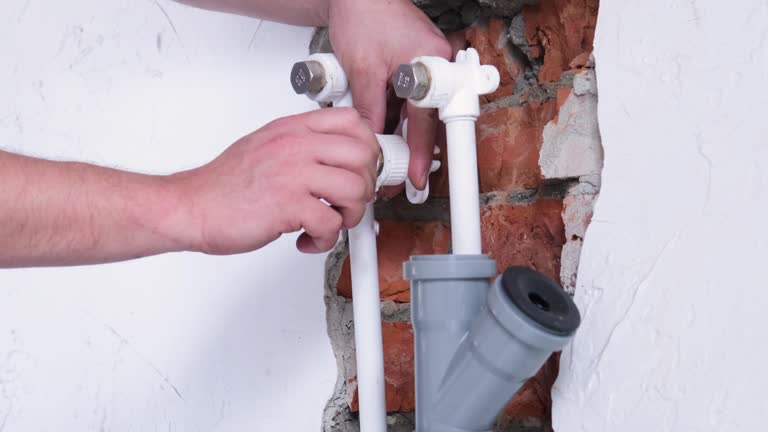
Introduction: The Essential Role of PPR Elbow Fittings
In any plumbing or piping system, changes in direction are inevitable. This is where PPR elbow fittings come in. These small but essential components allow pipes to bend smoothly without compromising the strength or flow of the system. Whether you're installing a home water supply or building an industrial network, knowing when and how to use PPR elbows will help you create efficient and long-lasting installations.
In this article, you’ll discover the types of PPR elbow fittings, their practical uses, installation steps, and how they compare to similar products. Let’s begin with the basics.
Frequently Asked Questions (FAQ)
1. What exactly is a PPR elbow fitting?
A PPR elbow fitting is a curved connector used to change the direction of a PPR pipe, typically at 90 or 45 degrees.
2. Are there different types of PPR elbows?
Yes. Common types include 90° elbows, 45° elbows, and threaded elbows (male or female).
3. Can PPR elbows be used with hot water?
Definitely. PPR is heat-resistant and performs well in both hot and cold water systems.
4. Where are elbow fittings most commonly used?
They are widely used in kitchens, bathrooms, heating systems, and industrial piping layouts.
5. How are PPR elbows connected to pipes?
They are joined using heat fusion, which creates a durable, leak-free connection.

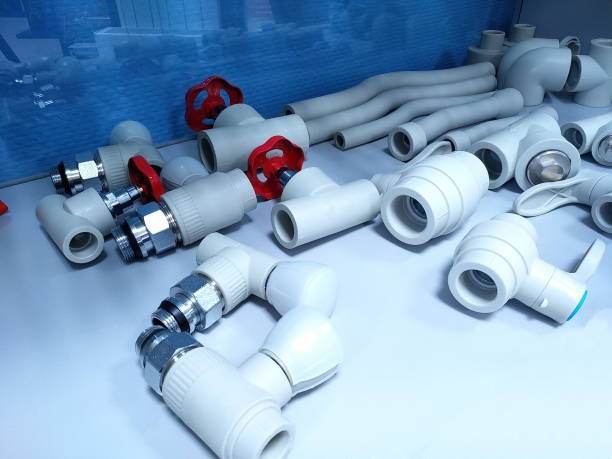
What Are PPR Elbow Fittings?
To explain simply, PPR elbow fittings are curved joints made from Polypropylene Random Copolymer. They allow a change in pipe direction while maintaining a strong seal and high pressure resistance. Thanks to the heat fusion method used in PPR systems, these fittings form seamless joints that minimize the risk of leaks.
Main Types of PPR Elbows:
| Type | Angle | Typical Use |
|---|---|---|
| 90° Elbow | Right-angle | Sharp turns, such as around wall corners |
| 45° Elbow | Soft turn | Gentle directional changes to improve flow |
| Threaded Elbow | Varies | Connects PPR to threaded metal/plastic parts |
When to Use PPR Elbow Fittings
PPR elbows are not optional—they are essential when your piping layout requires directional change. For example:
- In small or tight spaces, elbows help fit pipes into the required alignment.
- Around obstacles or corners, 90° elbows make the turn clean and secure.
- In irrigation systems, 45° elbows help reduce water hammer and improve flow rate.
- When connecting to equipment, threaded elbows allow easy joining with non-PPR components.
Thus, using the right elbow at the right spot ensures a safe, clean, and efficient system layout.
Key Advantages of PPR Elbow Fittings
There are many reasons why PPR elbows are preferred over metal or PVC fittings:
- ✅ Excellent durability — PPR elbows last over 50 years with proper use
- ✅ No corrosion or scaling — Ideal for drinking water and chemical transport
- ✅ High temperature resistance — Can handle hot water up to 95°C
- ✅ Lightweight and easy to install — Reduces labor and transportation costs
- ✅ Environmentally friendly — Non-toxic, recyclable, and safe for health
- ✅ Seamless joint quality — Heat fusion makes the connection strong and leak-proof
How to Install PPR Elbow Fittings Correctly
Proper installation is critical. Fortunately, installing a PPR elbow is simple with the right tools. Follow these steps:
- Measure and cut the pipe
Ensure a straight, clean cut using a PPR cutter. - Clean both ends
Remove dust or oil from the pipe and fitting before heating. - Heat the pipe and fitting simultaneously
Insert both into the fusion tool and wait for the specified heating time. - Push them together
After heating, insert the pipe into the elbow without twisting. - Hold and cool
Hold the joint still for a few seconds and allow it to cool completely. - Check the connection
Visually inspect the joint to ensure alignment and proper fusion.
With these steps, your system will stay leak-free and strong for years.
Where Are PPR Elbow Fittings Used?
Because of their reliability and performance, PPR elbows are used in a variety of systems:
- 🏠 Residential plumbing — Bathrooms, kitchens, underfloor heating
- 🏢 Commercial buildings — Hotels, schools, hospitals
- 🏭 Industrial systems — Factories, chemical processing, compressed air lines
- 🌱 Agricultural irrigation — Greenhouses, field irrigation lines
- 🌆 Municipal infrastructure — Potable water supply and drainage systems
As you can see, PPR elbows are versatile and suited for nearly any type of piping layout.
Comparison: PPR Elbow vs. Other Directional Fittings
To better understand the value of PPR elbows, let’s compare them with other materials:
| Feature | PPR Elbow | PVC Elbow | Metal Elbow (e.g., Copper) |
|---|---|---|---|
| Corrosion Resistance | ✅ Excellent | ✅ Good | ❌ Can corrode over time |
| Temperature Tolerance | ✅ Up to 95°C | ❌ Up to 60°C | ✅ Very High |
| Joint Method | Heat fusion | Solvent cement | Soldering or threading |
| Lifespan | 50+ years | 20–30 years | 30–50 years |
| Ease of Installation | ✅ Simple | ✅ Simple | ❌ Requires more tools |
| Toxicity | Non-toxic | May release VOCs | Safe |
Clearly, PPR elbows offer the best mix of performance, safety, and cost-efficiency.
Final Thoughts: Use PPR Elbows Smartly and Efficiently
To summarize, PPR elbow fittings are essential components in any reliable plumbing system. They allow smooth changes in pipe direction, reduce stress on joints, and maintain water pressure without leaks. With their durability, heat resistance, and non-toxic properties, PPR elbows are the ideal choice for professionals and DIYers alike.
By selecting the right angle, using proper installation tools, and placing elbows strategically, you can build a piping system that lasts decades—strong, safe, and efficient.