
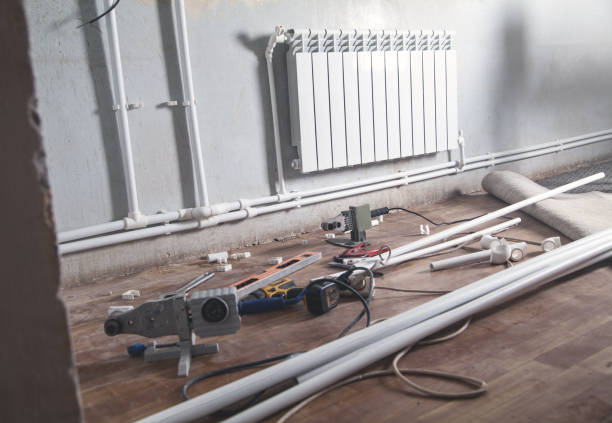
Introduction: The Importance of Choosing the Right PPR Pipes
Selecting the right PPR (Polypropylene Random Copolymer) pipes for your plumbing or heating system is more than just picking a size. The pipe quality, pressure rating, brand, certification, and even color coding can impact the safety, efficiency, and longevity of your project. Whether you’re working on a residential installation, commercial complex, or industrial facility, this guide will help you make informed decisions when choosing the best PPR pipes.
Frequently Asked Questions (FAQ)
1. What are the most common sizes of PPR pipes?
Common sizes range from 20mm (½ inch) to 160mm (6 inches), depending on the application.
2. Are all green PPR pipes the same quality?
No. While green is a common color, quality depends on the raw material, pressure rating, and manufacturing standards.
3. Can I use the same PPR pipe for hot and cold water?
Only if the pipe is rated for hot water (PN20 or higher). Cold-water pipes may deform under high temperatures.
4. Do certifications really matter when selecting PPR pipes?
Absolutely. Certifications like ISO 15874, CE, or DIN 8077/8078 confirm compliance with international standards.
5. Should I choose local or imported PPR pipes?
Both can be good if they meet quality standards. However, reliable suppliers and verified performance history are key.
Key Factors to Consider When Choosing PPR Pipes
1. Material Quality
Choose pipes made from Type 3 random copolymer polypropylene, known for its high temperature and pressure resistance. Ensure it's 100% virgin resin, not recycled material.
2. Pressure Rating
- PN10: Suitable for cold water systems.
- PN16: Used for high-flow cold water or low-pressure hot water.
- PN20: Ideal for high-pressure hot water and central heating systems.
- PN25: For heavy-duty industrial and boiler applications.
3. Temperature Resistance
Standard PPR pipes handle temperatures up to 95°C, but PP-RCT variants may support even higher temperatures with thinner walls.
4. Certifications and Standards
Look for the following:
- ISO 15874: Global standard for PPR pipes.
- DIN 8077/8078: German standard for dimensions and quality.
- CE marking: Compliance with European market requirements.
5. Color Coding
- Green: Most common, for general use.
- Blue: Often used for cold water.
- White/Grey: For indoor visibility and hot water applications.
Note: Color doesn't guarantee quality—check specifications.
Common Applications for Different PPR Pipes
| Application | Recommended Pipe Type |
|---|---|
| Domestic cold water | PN10 or PN16 |
| Domestic hot water | PN20 |
| Central heating | PN20 or PN25 |
| Industrial fluid transport | PN25 (if chemically compatible) |
| Agricultural irrigation | PN16 or PN20 |
How to Spot a High-Quality PPR Pipe
- Even wall thickness without air bubbles or warping
- Sharp print markings including size, PN rating, and batch number
- Smooth, glossy interior surface for low friction loss
- Good fusion compatibility during heat welding
- Tested samples that pass pressure and leakage tests
Comparing PPR Pipes with Other Plumbing Options
| Feature | PPR Pipes | PVC Pipes | Copper Pipes | HDPE Pipes |
|---|---|---|---|---|
| Temperature Tolerance | High (up to 95°C) | Low (~60°C) | Very High | Moderate |
| Pressure Resistance | High | Medium | High | High |
| Corrosion Resistance | Excellent | Good | Moderate | Excellent |
| Installation Ease | Fusion Welding | Gluing | Soldering | Butt Fusion |
| Cost | Affordable | Low | Expensive | Moderate |
Tips Before Purchasing PPR Pipes
- Check supplier reputation and factory audit reports if available.
- Ask for product samples to verify color, thickness, and printing.
- Confirm warranty terms, especially for commercial projects.
- Don’t go by price alone—quality pays off in long-term reliability.
- Consult an expert or engineer if unsure about pressure or temperature requirements.
Conclusion: Make Smart Plumbing Decisions
Choosing the best PPR pipes for your project ensures long-lasting performance, reduced maintenance, and overall system safety. Focus on material quality, certifications, pressure and temperature ratings, and choose reputable suppliers. With the right PPR piping system, your installation—whether residential, commercial, or industrial—will stand strong for decades.