
Introduction: Strength and Reliability in Every Inch
When your plumbing or heating system demands durability and performance, a 2 inch PPR pipe stands out as a trusted solution. Designed to handle higher pressure and flow, these pipes are widely used in commercial buildings, industrial plants, and large residential complexes. In this article, we’ll explore the features, applications, and buying tips for 2 inch PPR pipes, helping you understand why they are ideal for heavy-duty systems.
Frequently Asked Questions (FAQ)
1. What is the typical pressure rating for a 2 inch PPR pipe?
Most 2 inch PPR pipes have pressure ratings of PN16 or PN20, suitable for demanding applications.
2. Can 2 inch PPR pipes be used for hot water?
Yes, they can handle temperatures up to 95°C, making them perfect for hot water and heating systems.
3. What industries commonly use 2 inch PPR pipes?
Commercial plumbing, HVAC, industrial water supply, and agricultural irrigation.
4. How do 2 inch PPR pipes compare with metal pipes?
They offer corrosion resistance, lighter weight, and easier installation compared to metal pipes.
5. Are fittings and accessories widely available for 2 inch PPR pipes?
Yes, there is a broad range of compatible fittings, valves, and connectors to suit any system.


Key Features of 2 Inch PPR Pipes
- High Pressure Resistance: Designed to withstand pressures up to 20 bar (PN20).
- Thermal Stability: Suitable for hot water supply and heating applications with temperatures up to 95°C.
- Corrosion and Chemical Resistance: PPR material does not corrode or react with most chemicals found in water systems.
- Smooth Internal Surface: Reduces friction losses and prevents scaling or deposits.
- Longevity: Expected service life exceeds 50 years under normal conditions.
Common Applications of 2 Inch PPR Pipes
Commercial Plumbing
2 inch pipes are widely used in multi-story buildings and office complexes to distribute water efficiently.
HVAC Systems
Ideal for heating and cooling water circulation, supporting reliable temperature control.
Industrial Water Supply
Used in factories and plants for transporting potable water and certain chemicals safely.
Agricultural Irrigation
Durable enough for irrigation pipelines delivering water to fields and greenhouses.
Buying Guide: How to Choose the Right 2 Inch PPR Pipe
1. Material Quality
Ensure the pipe is made from 100% virgin PPR resin and complies with international standards.
2. Pressure Rating
Choose pipes rated for PN16 or PN20 depending on system requirements.
3. Certifications
Look for ISO 15874, CE, and DIN certifications to ensure reliability.
4. Fittings Compatibility
Confirm availability of compatible fittings, elbows, tees, and valves.
5. Supplier Reputation
Work with trusted manufacturers offering warranties and technical support.
Installation Tips for 2 Inch PPR Pipes
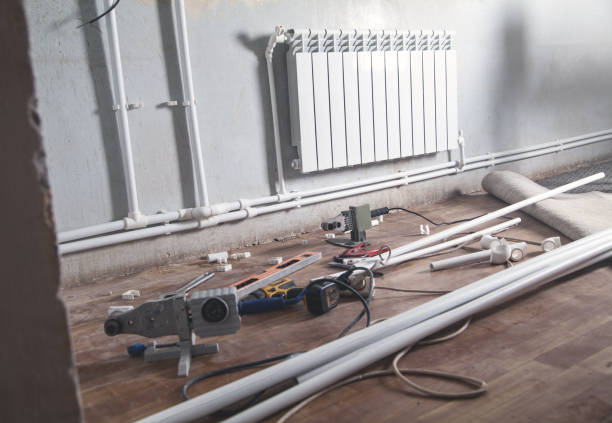
- Use proper heat fusion tools sized for 2 inch pipes.
- Ensure pipe ends are clean and cut square before welding.
- Follow recommended heating and cooling times strictly to ensure strong joints.
- Avoid excessive bending or mechanical stress on pipes after installation.
- Pressure test the system thoroughly before full operation.
2 Inch PPR Pipe vs Other Materials (Comparison Table)
| Feature | 2 Inch PPR Pipe | Steel Pipe | Copper Pipe | PVC Pipe |
|---|---|---|---|---|
| Pressure Rating | Up to PN20 (20 bar) | Very High | Moderate | Moderate |
| Temperature Range | Up to 95°C | Very High | High | Lower (max ~60°C) |
| Corrosion Resistance | Excellent | Poor (rust prone) | Excellent | Good |
| Weight | Lightweight | Heavy | Medium | Lightweight |
| Installation Ease | Easy (fusion welding) | Difficult (welding) | Moderate (soldering) | Easy (gluing) |
| Longevity | 50+ years | 30-50 years | 50+ years | 20-30 years |
Conclusion: Robust Choice for Heavy-Duty Needs
The 2 inch PPR pipe delivers a perfect balance of strength, durability, and ease of installation for heavy-duty plumbing and heating systems. Whether you’re managing a commercial building, industrial site, or large agricultural project, these pipes offer reliable performance and long-term savings.
By selecting certified, high-quality pipes and following proper installation methods, you ensure a safe, efficient, and maintenance-free water system.