
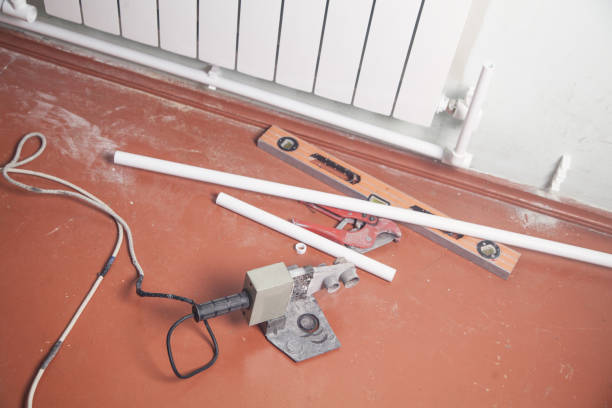
Introduction: Quick Guide to Understanding PPR Pipe Prices
Whether you’re a contractor, plumber, or buyer, knowing today’s PPR pipe rates is essential for budgeting and planning your projects. Prices fluctuate based on raw material costs, demand, supplier location, and pipe specifications. In this quick 3-minute guide, we’ll break down what affects PPR pipe prices today and how to get the best deals without sacrificing quality.
Frequently Asked Questions (FAQ)
1. What factors influence PPR pipe prices?
Raw material costs (polypropylene resin), manufacturing processes, certifications, and market demand impact prices.
2. Are bigger pipes more expensive?
Yes, larger diameters and thicker walls cost more due to higher material usage.
3. Does pressure rating affect price?
Higher pressure ratings (PN16, PN20) typically increase the price due to enhanced material requirements.
4. How do brands affect pricing?
Established brands with certifications often charge premium prices reflecting guaranteed quality.
5. Can buying wholesale reduce costs?
Yes, bulk orders usually offer significant discounts compared to retail pricing.

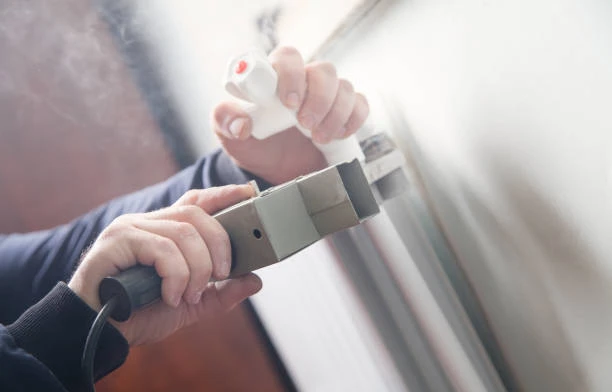
What Determines Today’s PPR Pipe Rates?
1. Raw Material Costs
The main ingredient for PPR pipes is polypropylene random copolymer resin. Global oil prices and supply chain factors cause resin costs to fluctuate, directly impacting pipe prices.
2. Pipe Size and Thickness
- Diameter: Bigger pipes use more material.
- Wall Thickness: Higher pressure-rated pipes require thicker walls, adding to cost.
3. Certifications and Standards
Pipes complying with international standards (ISO, CE, DIN) often have higher production costs, reflecting in price.
4. Manufacturing Location
Countries with lower labor and energy costs (e.g., China, India) may offer competitive pricing but watch for quality.
5. Market Demand and Supply
Construction booms or material shortages affect availability and pricing.
Current Price Ranges (Approximate)
| Pipe Size (inch) | Typical Price Range (USD/meter) |
|---|---|
| ½ inch | $0.50 – $0.80 |
| 1 inch | $0.80 – $1.20 |
| 2 inch | $1.50 – $2.50 |
| 4 inch | $3.00 – $5.00 |
Note: Prices vary by region, supplier, and order volume.
Tips to Get the Best Price
- Buy in Bulk: Wholesale orders lower unit cost.
- Compare Quotes: Get multiple offers from certified suppliers.
- Verify Quality: Don’t sacrifice quality for a lower price—check certifications.
- Negotiate Terms: Ask for flexible payment and shipping.
- Plan Ahead: Avoid last-minute buying during shortages.
Conclusion: Stay Informed, Buy Smart
Understanding today’s PPR pipe rates helps you budget accurately and avoid surprises. Prices reflect raw material trends, pipe specs, and market forces. By staying informed and choosing reliable suppliers, you can secure quality PPR pipes at competitive prices for your projects.