
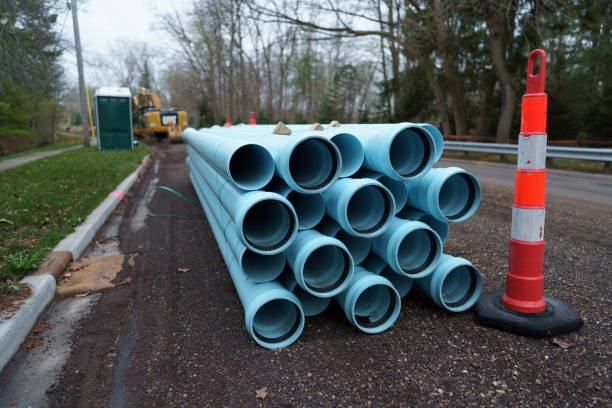
Introduction: Why Choose 1/2 Inch PVC Pipes?
When working on plumbing, irrigation, or DIY projects, size matters. The 1/2 inch PVC pipes is one of the most popular sizes because it’s compact, versatile, and reliable. Whether you’re setting up water supply lines, irrigation systems, or conduit protection, this pipe size fits a wide range of applications with ease.
In this article, you will discover the key features, uses, buying tips, installation advice, and comparisons that make 1/2 inch PVC pipe an essential choice for professionals and DIYers alike.
Frequently Asked Questions (FAQ)
1. What does 1/2 inch PVC pipe mean?
It refers to the nominal diameter of the pipe, commonly used for water lines and conduit systems.
2. Can 1/2 inch PVC pipe handle high pressure?
Depending on the schedule (40 or 80), it can handle medium to high pressure. Schedule 80 is thicker and stronger.
3. Is 1/2 inch PVC pipe suitable for potable water?
Yes, many 1/2 inch PVC pipes are certified safe for drinking water.
4. Can I use 1/2 inch PVC pipe outdoors?
Yes, but choose UV-resistant variants or paint it for sun protection.
5. How do I cut and join 1/2 inch PVC pipe?
Use a PVC cutter or saw for clean cuts and solvent cement for joints.

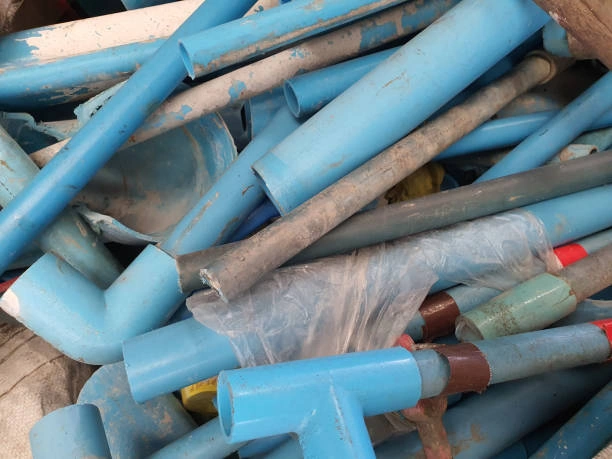
What Is 1/2 Inch PVC Pipe? Definition and Characteristics
The 1/2 inch PVC pipe is a rigid plastic pipe with an internal diameter close to 1/2 inch. It’s part of the broader family of PVC (polyvinyl chloride) pipes known for:
- Lightweight yet durable construction
- Corrosion and chemical resistance
- Smooth interior for efficient fluid flow
- Easy to cut and install
- Cost-effective compared to metal pipes
Its size makes it ideal for small-scale plumbing tasks, conduit protection, and low-volume water distribution.
Common Applications for 1/2 Inch PVC Pipe
Due to its compact size, this pipe is widely used in:
1. Residential Water Supply
Often used for sink faucets, irrigation drip lines, and small water branches.
2. Irrigation Systems
Ideal for drip irrigation or sprinkler setups, where precise water delivery is needed.
3. Electrical Conduit
Protects wiring in homes and light commercial buildings.
4. DIY Projects
Used in furniture, frames, garden structures, and more because of its manageable size.
5. Laboratory and Chemical Lines
For carrying non-corrosive fluids in controlled environments.
This versatility makes 1/2 inch PVC a staple in many toolkits.
Buying Guide: How to Choose the Right 1/2 Inch PVC Pipe
When purchasing, keep these in mind:
1. Schedule Type (40 or 80)
- Schedule 40: Standard strength for most residential uses
- Schedule 80: Thicker walls, suited for higher pressure and industrial use
2. Certification
Look for NSF or other potable water certifications if the pipe carries drinking water.
3. Length and Packaging
Pipes typically come in 10 or 20-foot lengths. Choose based on project needs.
4. UV Resistance
For outdoor use, ensure the pipe has UV protection or plan to cover/paint it.
5. Fittings Compatibility
Confirm fittings match the 1/2 inch size and schedule for a tight seal.
Installation Tips for 1/2 Inch PVC Pipe
- Measure and Cut Accurately: Use a PVC cutter or fine-tooth saw for clean ends.
- Dry Fit First: Assemble without glue to check alignment.
- Use PVC Primer and Cement: Apply primer to clean pipe ends, then cement both pipe and fitting quickly.
- Allow Cure Time: Wait at least 15 minutes before handling and 2 hours before pressurizing.
- Support Pipe Runs: Use hangers or clamps every few feet to prevent sagging.
Following these steps ensures a leak-proof, durable installation.
1/2 Inch PVC Pipes vs Other Sizes: Quick Comparison
| Feature | 1/2 Inch PVC Pipe | 3/4 Inch PVC Pipe | 1 Inch PVC Pipe |
|---|---|---|---|
| Common Use | Small water lines, irrigation, conduit | Larger water lines, sprinklers | Main water branches, larger flow |
| Flow Rate | Lower | Medium | Higher |
| Flexibility | Easier to handle | Moderate | Less flexible |
| Pressure Rating | Medium (depends on schedule) | Higher | Highest (schedule 80) |
| Cost | Most affordable | Moderate | More expensive |
For projects needing compact, precise lines, 1/2 inch PVC pipe is usually the best choice.
Conclusion
The 1/2 inch PVC pipe stands out for its compact size, versatility, and reliability. It’s perfect for residential plumbing, irrigation, electrical conduit, and many DIY projects. By choosing the right schedule, ensuring proper installation, and understanding its capabilities, you can confidently use this pipe to achieve efficient, durable results.
Whether you’re a professional plumber or a DIY enthusiast, the 1/2 inch PVC pipe is an essential component in many successful projects.