
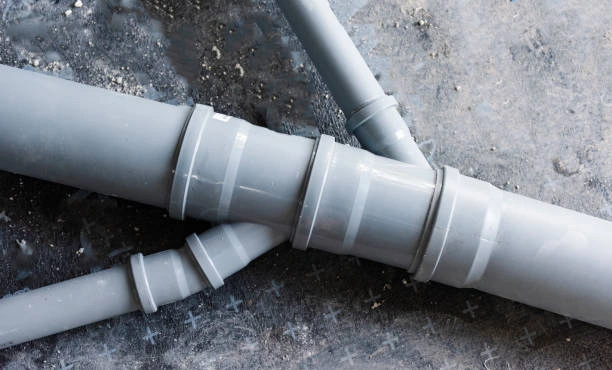
Introduction: The Importance of PVC Fittings in Piping Systems
In any piping system, the joints are just as important as the pipes themselves. That’s why PVC fittings play a crucial role in creating secure, leak-free connections. Whether you’re working on plumbing, irrigation, or electrical conduit systems, using the right PVC fittings ensures your project is reliable and durable.
This article will guide you through everything you need to know about PVC fittings pipe — from definitions and common types to applications, buying tips, installation advice, and comparisons with other fittings materials.
Frequently Asked Questions (FAQ)
1. What are PVC fittings?
PVC fittings are connectors made of polyvinyl chloride designed to join PVC pipes together in various configurations.
2. What types of PVC fittings are available?
Common types include elbows, tees, couplings, reducers, caps, and adapters.
3. Can PVC fittings handle high pressure?
Yes, especially Schedule 80 fittings, which have thicker walls and higher pressure ratings.
4. How do I install PVC fittings?
Typically, installation involves cleaning, priming, and solvent welding (gluing) the fittings to the pipe.
5. Are PVC fittings suitable for potable water?
Many PVC fittings are certified for potable water; always check product specifications.


What Are PVC Fittings? Definition and Features
PVC fittings are essential components that allow pipes to change direction, branch off, or adapt to different sizes or types. They come in many shapes and sizes and are designed to fit specific pipe diameters and schedules.
Key Features of PVC Fittings:
- Durability: Resistant to corrosion, chemicals, and UV exposure
- Versatility: Available in multiple configurations to suit different piping needs
- Ease of Installation: Designed for solvent welding, making assembly quick and reliable
- Cost-Effective: Generally affordable compared to metal fittings
- Lightweight: Easy to handle and transport
Common Types of PVC Fittings and Their Uses
1. Elbows
Change the direction of flow, commonly available in 45° and 90° angles.
2. Tees
Allow a branch line to connect with a main line, ideal for splitting flow.
3. Couplings
Connect two pipes in a straight line, useful for repairs or extensions.
4. Reducers
Join pipes of different diameters, ensuring smooth flow transition.
5. Caps and Plugs
Seal off pipe ends to stop flow temporarily or permanently.
6. Adapters
Connect PVC pipes to other materials like metal or copper.
These fittings help customize and complete any piping system with confidence and precision.
Where Are PVC Fittings Used?
PVC fittings are used widely in many industries and applications:
- Residential plumbing: Water supply and drainage systems
- Irrigation: Sprinkler and drip systems
- Electrical conduit: Protecting wiring in homes and commercial buildings
- Industrial piping: Chemical and waste transport
- DIY projects: Custom furniture, frames, or garden setups
Their adaptability makes them essential for both professional contractors and hobbyists.
Buying Guide: Choosing the Right PVC Fittings
When selecting PVC fittings, consider these factors:
1. Size Compatibility
Make sure fittings match the pipe diameter and schedule.
2. Material Grade
Schedule 40 is common for residential; Schedule 80 suits high-pressure or industrial use.
3. Certification
Look for NSF or other approvals for potable water or specific applications.
4. Connection Type
Choose between slip-on fittings for gluing or threaded fittings for removable joints.
5. Brand and Quality
Reputable brands offer better quality and durability.
Installation Tips for PVC Fitting Pipe
- Cut pipes cleanly with a sharp cutter or saw
- Deburr edges to ensure tight seals
- Use PVC primer to clean and prepare surfaces
- Apply solvent cement evenly on both pipe and fitting
- Join quickly and twist slightly to spread cement
- Hold firmly for 30 seconds to set
- Allow curing time before pressurizing the system
Following these steps prevents leaks and ensures long-lasting joints.
PVC Fittings vs. Metal Fittings: A Comparison
| Feature | PVC Fittings | Metal Fittings |
|---|---|---|
| Weight | Lightweight | Heavy |
| Corrosion Resistance | Excellent | Poor (rust prone) |
| Cost | Affordable | Expensive |
| Ease of Installation | Easy (glue or thread) | Requires welding or threading |
| Durability | Good for most uses | Very durable |
| Flexibility | Limited (rigid) | Can be flexible (e.g., brass) |
PVC fittings offer a cost-effective, corrosion-resistant alternative with easy installation, ideal for most residential and light industrial applications.
Conclusion
PVC fittings pipe provides the backbone for secure, efficient, and durable piping systems. With a wide variety of fittings available, you can connect pipes in any configuration with confidence. By choosing the right fittings, following proper installation procedures, and understanding their advantages, you ensure a reliable system that stands the test of time.
Whether you’re a professional plumber, contractor, or DIY enthusiast, investing in quality PVC fittings is essential for success.