
Introduction
The 2 inch PVC pipe is a widely used and versatile piping solution in plumbing, irrigation, and various construction projects. Its moderate diameter provides an ideal balance between sufficient water flow and ease of handling, making it a popular choice for both residential and commercial applications. Understanding the common uses, compatible fittings, and proper installation methods for 2 inch PVC pipe will help ensure efficient and long-lasting performance in your piping system.
Frequently Asked Questions (FAQ)
1. What is the typical use of 2 inch PVC pipe?
It’s commonly used in residential drainage, irrigation, pool plumbing, and light industrial applications.
2. Can 2 inch PVC pipe handle high water pressure?
Yes, Schedule 40 and Schedule 80 pipes are pressure-rated and suitable for different pressure requirements.
3. What fittings work with 2 inch PVC pipe?
Elbows, tees, couplings, adapters, reducers, caps, and unions designed for 2 inch pipe.
4. How do I connect 2 inch PVC pipe to pipes of other sizes?
Use reducers or adapters to transition between sizes.
5. What installation tools and materials are required?
PVC cutter or saw, primer, solvent cement, measuring tape, pipe supports, gloves, and safety glasses.
What Is 2 Inch PVC Pipe? Definition and Features
A 2 inch PVC pipe refers to a polyvinyl chloride pipe with a nominal diameter of 2 inches. PVC is a durable thermoplastic known for its chemical resistance, lightweight nature, and affordability. The "2 inch" measurement is nominal and refers to the inside diameter approximately, though actual dimensions vary with pipe schedule.
Key Features:
- Corrosion and chemical resistant
- Smooth interior reduces friction and buildup
- Lightweight yet strong
- Available in Schedule 40 (standard) and Schedule 80 (heavy-duty)
- Compatible with solvent cement joining method
- Resistant to UV if specified or protected
Common Applications of 2 Inch PVC Pipe
The 2 inch PVC pipe serves many functions across industries:
1. Plumbing and Drainage
Used for vent stacks, waste lines, and drainpipes in homes and commercial buildings.
2. Irrigation Systems
Widely utilized for garden irrigation, sprinkler mains, and drip system distribution.
3. Pools and Spas
Supplies water circulation and filtration lines in residential and commercial pools.
4. Industrial Fluid Handling
Suitable for transporting non-corrosive liquids and chemicals in factories.
5. Stormwater and Ventilation
Used in storm drainage and vent systems to control water and airflow.
How to Choose the Right 2 Inch PVC Pipes
Selecting the correct pipe involves considering several factors:
Material Grade and Schedule
- Schedule 40 is sufficient for most residential and light commercial uses.
- Schedule 80 is preferred for higher pressure or industrial applications.
Pressure Rating
Verify pipe PSI rating matches system requirements.
Length and Diameter
Choose standard lengths (usually 10 or 20 feet) or cut to size; ensure fittings match diameter.
UV Resistance
For outdoor use, select UV-resistant pipe or provide protective coatings.
Compliance and Certification
Look for ASTM and NSF certifications for potable water or regulated applications.
Installation Tips for 2 Inch PVC Pipes
Proper installation ensures a durable, leak-free system.
Tools Needed
- Pipe cutter or fine-toothed saw
- Measuring tape
- PVC primer and solvent cement
- Gloves and eye protection
- Pipe supports and hangers
Step-by-Step Installation
- Measure and Mark
Measure required length accurately and mark cut points. - Cut the Pipe
Use a PVC cutter or saw to make clean, straight cuts. - Deburr and Clean
Remove rough edges and clean pipe ends with a cloth. - Dry Fit
Assemble pipe and fittings without glue to check fit and alignment. - Apply Primer
Apply primer to pipe end and fitting socket, allowing it to dry briefly. - Apply Solvent Cement
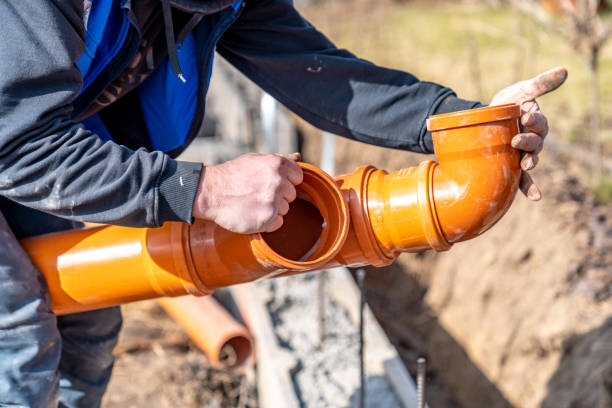
Coat primer-applied surfaces evenly with solvent cement. - Join Pipe and Fitting
Insert pipe fully into fitting with a slight twist, hold for 15-30 seconds. - Support the Pipe
Use clamps or hangers to prevent sagging. - Cure Time
Allow 24 hours before pressurizing or using the system.
2 Inch PVC Pipes vs Other Pipe Sizes and Materials
| Feature | 2 Inch PVC Pipe | 1 Inch PVC Pipe | 2 Inch Copper Pipe | 2 Inch PEX Pipe |
|---|---|---|---|---|
| Diameter | 2 inch nominal | 1 inch nominal | 2 inch nominal | 2 inch nominal |
| Pressure Rating | Up to 280 psi (Sched 40/80) | Lower flow capacity | High pressure, durable | Flexible, moderate pressure |
| Installation Ease | Easy solvent cement join | Easy solvent cement join | Requires soldering | Crimp or clamp fittings |
| Cost | Affordable | More affordable | Expensive | Moderate |
| Corrosion Resistance | Excellent | Excellent | Prone to corrosion | Excellent |
| Flexibility | Rigid | Rigid | Rigid | Flexible |
Summary
The 2 inch PVC pipe is an excellent choice for a variety of plumbing, irrigation, and drainage applications. Its size allows for efficient flow while remaining manageable during installation. Choosing the right pipe grade, fittings, and following proper installation procedures guarantees a durable, leak-free piping system.
Whether for residential, commercial, or industrial use, 2 inch PVC pipe provides versatility, durability, and cost-effectiveness.