

Introduction
PVC pipes and fittings form the backbone of modern plumbing, irrigation, and drainage systems. Thanks to their durability, corrosion resistance, and affordability, they are favored across residential, commercial, and industrial projects. This guide walks you through everything you need to know—from the basic definitions and common uses to how to choose the right materials and install them properly—ensuring you create a leak-free, efficient piping system.
Frequently Asked Questions (FAQ)
1. What is PVC and what are PVC pipes made of?
PVC stands for polyvinyl chloride, a tough thermoplastic material used to manufacture pipes that resist corrosion and chemicals.
2. What types of PVC fittings are commonly used?
Fittings such as elbows, tees, couplings, adapters, reducers, caps, and unions help connect, redirect, or terminate pipes.
3. Can I use PVC pipes for hot water?
Standard PVC is not suitable for hot water; CPVC is the recommended alternative due to its heat resistance.
4. How are PVC pipes connected?
PVC pipes are typically joined using solvent cement (PVC glue) that chemically fuses pipe and fittings.
5. Are PVC pipes safe for drinking water?
Yes, certified PVC pipes are safe for potable water applications.
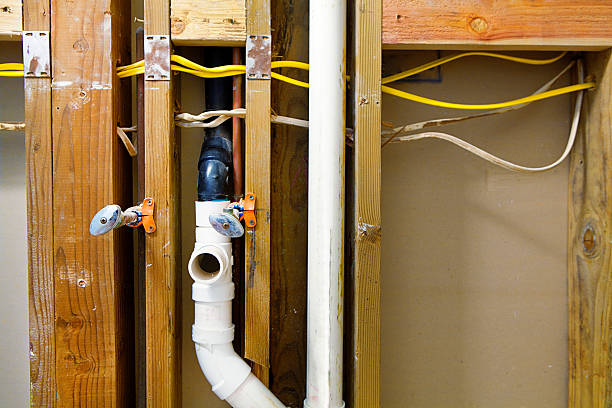
What Are PVC Pipes and Fittings? Definitions and Key Features
PVC Pipes are rigid or flexible tubes made from polyvinyl chloride, widely used to transport water and other fluids. Their popularity stems from being lightweight, durable, and resistant to corrosion and chemicals.
PVC Fittings are components that join PVC pipes together, allowing changes in direction, pipe diameter, or connection to other systems.
Key Features of PVC Pipes and Fittings:
- High chemical and corrosion resistance
- Lightweight for easier installation
- Smooth interior walls reduce friction and buildup
- Affordable and widely available
- Compatible with solvent cement joining methods
- Available in various schedules (wall thickness) and sizes
Common Uses and Application Areas
1. Residential Plumbing
PVC pipes handle cold water supply, drainage, and venting. Fittings help route water safely and efficiently in homes.
2. Irrigation and Agriculture
Used for sprinkler systems, drip irrigation, and water mains due to durability and ease of installation.
3. Commercial and Industrial Systems
Transport chemicals and fluids in factories or HVAC systems where corrosion resistance is critical.
4. Drainage and Sewer Systems
PVC’s smooth surface and chemical resistance make it ideal for waste water and storm drainage.
5. Pool and Spa Plumbing
CPVC or specially rated PVC pipes carry water in pools, spas, and fountains.
How to Choose the Right PVC Pipes and Fittings
1. Pipe Schedule and Pressure Rating
Schedule 40 suits most residential needs; Schedule 80 is for higher pressure and industrial applications.
2. Material Compatibility
Use CPVC for hot water; standard PVC is for cold water and drainage.
3. Size and Fittings
Match pipe diameter with fittings to ensure leak-free joints.
4. Certifications
Look for NSF/ANSI or ASTM certifications, especially for potable water systems.
5. Environmental Conditions
For outdoor use, select UV-resistant or coated pipes to prevent degradation.
Installation Best Practices and Tips
- Cut pipes squarely with a proper PVC cutter or saw.
- Remove burrs and clean pipe ends to ensure a smooth joint.
- Dry fit all components before gluing to verify alignment.
- Use primer on pipe ends and fittings to prepare surfaces.
- Apply solvent cement evenly on both pipe and fitting.
- Assemble joints quickly with a slight twisting motion, holding for 15-30 seconds.
- Support pipes adequately with clamps or hangers to avoid sagging.
- Allow recommended curing time before applying pressure or water.
PVC Pipes and Fittings Compared to Other Materials
| Feature | PVC Pipes & Fittings | Copper Pipes | PEX Pipes | Steel Pipes |
|---|---|---|---|---|
| Corrosion Resistance | Excellent | Good | Excellent | Poor (rust prone) |
| Flexibility | Rigid or semi-rigid | Rigid | Highly flexible | Rigid |
| Cost | Low to moderate | High | Moderate | High |
| Installation Ease | Easy (solvent cement join) | Moderate (soldering) | Easy (crimp/clamp) | Difficult (welding) |
| Durability | Long-lasting | Long-lasting | Long-lasting | Durable but rusts |
| Temperature Tolerance | Moderate (CPVC better for hot water) | Excellent for hot water | Good, but limited temps | High |
Summary
PVC pipes and fittings offer a reliable, affordable, and versatile solution for plumbing, irrigation, drainage, and industrial piping needs. By understanding the types, selecting appropriate materials, and following proven installation practices, you can build a system that performs efficiently and lasts for years. Whether you’re working on a residential project or a large commercial system, PVC’s proven track record makes it an excellent choice.