
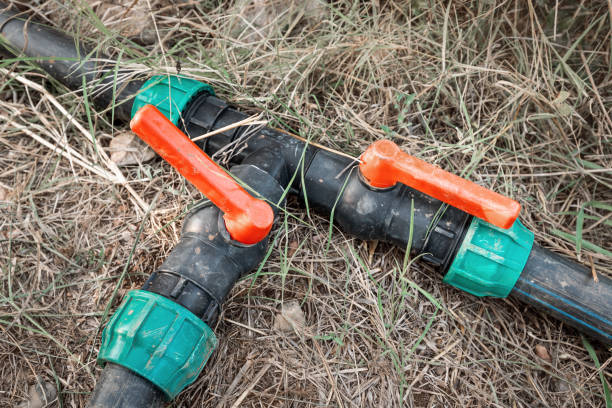
Introduction
The 3 inch PVC ball valve strikes the perfect balance between capacity and control. Designed for medium-sized fluid systems, it offers efficient shutoff, long service life, and easy handling. Whether in industrial, agricultural, or commercial plumbing applications, this valve provides precise control and reliable sealing. Its chemical resistance, light weight, and affordability make it a go-to choice for system designers and installers. This article explores everything you need to know about the 3 inch PVC ball valve—from definition and features to applications, buying tips, installation guidelines, and comparisons.
Frequently Asked Questions (FAQ)
1. What is a 3 inch PVC ball valve used for?
It’s used to regulate water, chemicals, and low-pressure fluids in mid-sized pipelines across agriculture, industry, and infrastructure.
2. How does the valve operate?
It uses a quarter-turn ball inside the body that opens or closes the flow when the handle is turned 90 degrees.
3. Can I use this valve with chemicals?
Yes, PVC resists many chemicals, but always check compatibility with the specific fluid in use.
4. Is the 3 inch valve suitable for underground systems?
Yes, with proper protection and installation, it can be buried, especially in irrigation or drainage networks.
5. How do I maintain it?
Occasional handle lubrication and debris cleaning is enough; PVC valves are low-maintenance by design.
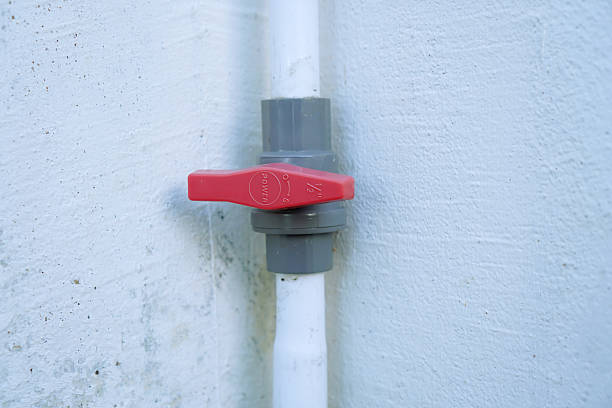
What Is a 3 Inch PVC Ball Valve? Features and Definition
A 3 inch PVC ball valve is a full-port, quarter-turn valve made of polyvinyl chloride. It features a spherical ball with a hollow center that rotates within the body to allow or block fluid flow. Designed for 3-inch pipe systems, this valve handles higher volumes than smaller models while maintaining excellent control and sealing properties.
Key Features:
- Full-port flow for minimal pressure drop
- Quarter-turn operation for quick shutoff
- Chemical and corrosion resistance
- Lightweight yet durable for easier handling during installation
- Low maintenance with no rust or scaling
- Cost-effective alternative to metal valves in compatible applications
Its combination of flow capacity, reliability, and economy makes it ideal for many medium-scale systems.
Applications of 3 Inch PVC Ball Valves
This valve is widely used across industries and projects that demand dependable medium-capacity control:
- Agricultural irrigation systems: Controlling mainlines, valves for orchards and greenhouses
- Water treatment plants: Isolating flow during maintenance
- Industrial fluid transport: Managing chemical and waste lines
- Commercial plumbing: Main shutoff valves in large buildings
- Pools, spas, and aquaculture: For filtration and water exchange lines
- Construction: Temporary or permanent flow control in large-scale setups
Its strength and performance make it suitable for both aboveground and buried installations.
Buying Guide: How to Choose the Right 3 Inch PVC Ball Valve
When purchasing a 3 inch PVC ball valve, keep the following in mind:
1. Connection Type
- Flanged: For secure, bolted connections in large pipe systems
- Threaded: Easy to assemble and disassemble, but less common in this size
- Socket (solvent weld): Permanent and leak-proof when properly installed
2. Material Specification
Use Schedule 80 PVC for higher pressure needs or Schedule 40 for standard applications. Ensure UV resistance if used outdoors.
3. Operating Pressure and Temperature
Typical pressure ratings range from 150–235 PSI at 73°F. Confirm if the valve will operate within safe ranges for your system.
4. Certifications
Look for NSF, ANSI, or ISO certification for potable water or chemical applications.
5. Handle Type
Standard lever handles are common. Consider gear-operated handles for easier turning in high-pressure or frequent-use environments.
Installation Tips for a 3 Inch PVC Ball Valve
To ensure a leak-free and long-lasting setup:
- Support the pipe system well to prevent stress on the valve.
- Cut pipe ends squarely and clean thoroughly before gluing or threading.
- Use primer and solvent cement for socket installations.
- For flanged models, always use proper gaskets and torque the bolts evenly.
- Test for leaks before burying or insulating.
- Label and mark valve handles clearly for system users.
Proper installation extends service life and reduces the need for maintenance or replacement.
3 Inch PVC Ball Valve vs Other Valve Types
| Valve Type | Best For | Operation | Flow Control Quality | Maintenance | Cost |
|---|---|---|---|---|---|
| 3” PVC Ball Valve | Medium flow shutoff systems | Quick, quarter-turn | Excellent (full port) | Low | Low |
| 3” PVC Gate Valve | Full on/off water control | Multi-turn | Good | Moderate | Low |
| 3” PVC Butterfly Valve | High-flow, lower-pressure systems | Quarter-turn | Moderate | Low | Moderate |
| 3” Brass Ball Valve | Higher pressure/temperature | Quarter-turn | Excellent | Moderate | High |
PVC ball valves provide a practical, affordable, and efficient solution for many mid-size applications, especially where corrosion resistance is important.
Conclusion: Smart Flow Control for Medium-Sized Systems
The 3 inch PVC ball valve delivers reliable, efficient performance in medium-capacity systems across residential, commercial, and industrial sectors. Its resistance to corrosion, full-port flow, and low-maintenance design make it a smart choice for anyone needing solid flow control without the weight and cost of metal alternatives.
When selected and installed correctly, this valve can serve your system for years—providing smooth operation and dependable shutoff. Whether you’re building a new system or upgrading an old one, the 3” PVC ball valve is ready for the job.