
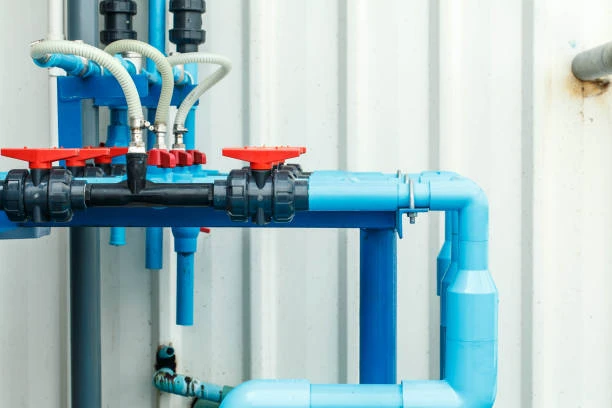
Introduction: A Reliable Valve for Everyday Plumbing
The 2 inch PVC ball valve is a practical and essential tool in modern plumbing systems. It offers efficient on/off control, chemical resistance, and an affordable solution for managing fluid flow. Whether you're working on an irrigation network, an industrial pipeline, or a residential plumbing system, this valve is designed to deliver consistent performance. In this article, you’ll learn everything about the 2" PVC ball valve—from its definition and features to applications, buying tips, installation guidelines, and comparisons with other valve types.
Frequently Asked Questions (FAQ)
1. What is a 2 inch PVC ball valve used for?
It controls water and fluid flow in medium-sized plumbing, irrigation, and industrial systems.
2. Is this valve suitable for outdoor use?
Yes. However, it should be protected from prolonged UV exposure to prevent degradation.
3. Can I use it with chemicals?
Yes. PVC offers excellent chemical resistance, but always confirm compatibility with the specific substance.
4. Is it easy to install?
Very. It usually features socket or threaded ends, allowing quick installation with PVC cement or tape.
5. How long does a PVC ball valve last?
With proper installation and use, it can last several years without maintenance or corrosion issues.

Definition and Key Features of the 2 Inch PVC Ball Valve
A 2 inch PVC ball valve is a full-port, quarter-turn valve made from polyvinyl chloride. It has a rotating hollow ball inside that opens or closes the flow when turned 90 degrees.
Key Features:
- Full flow with minimal restriction
- Quarter-turn handle for fast operation
- Corrosion-resistant and lightweight
- Chemical-resistant (especially to most acids and bases)
- Low maintenance and long lifespan
- Cost-effective alternative to metal valves
These features make it one of the most versatile valves in fluid management systems.
Common Applications in Plumbing Systems
Thanks to its durable construction and easy use, the 2 inch PVC ball valve serves in various settings:
- Residential Plumbing: Water main shutoffs and branch isolation
- Agriculture and Irrigation: Controlling medium-volume pipelines
- Aquaculture and Pools: Managing water circulation and treatment
- Industrial Systems: Handling low-pressure chemical and fluid lines
- Rainwater Harvesting: Directing flow in collection and distribution lines
- HVAC Systems: Controlling auxiliary water circuits or cooling lines
Its performance and flexibility make it a dependable component in any mid-size pipeline system.
Buying Guide: Choosing the Right 2” PVC Ball Valve
When selecting a 2 inch PVC ball valve, consider the following factors to ensure optimal performance:
1. Connection Type
- Socket (Solvent Weld): Creates permanent, leak-proof joints
- Threaded (NPT/BSP): Ideal for removable or adjustable setups
- Flanged: Suited for industrial and large-scale systems
2. Pressure Rating
Ensure the valve supports 150–235 PSI depending on your system’s requirements.
3. Temperature Compatibility
PVC is best used below 140°F (60°C). For higher temperatures, consider CPVC alternatives.
4. Handle Type
Standard lever handles are common. Consider locking handles for added safety.
5. Certifications
Look for valves certified for NSF, ISO, or ANSI standards, especially for potable water use.
Installation Tips for Best Performance
To ensure smooth operation and leak-free performance, follow these installation steps:
- Measure and cut the pipe precisely, ensuring clean, square ends.
- Dry-fit all components before applying any adhesives.
- For socket ends, apply PVC primer and solvent cement and press firmly.
- For threaded ends, wrap threads with PTFE tape and hand-tighten securely.
- Support the pipe system around the valve to avoid stress.
- Allow curing time (usually 24 hours) before pressurizing.
Proper installation significantly extends the valve’s service life.
Comparison: 2” PVC Ball Valve vs Other Valve Types
| Valve Type | Best Use | Flow Control Quality | Durability | Ease of Use | Cost |
|---|---|---|---|---|---|
| 2” PVC Ball Valve | On/off control in plumbing | Excellent (full port) | High (non-metallic) | Easy (quarter-turn) | Low |
| 2” PVC Gate Valve | Full open/close with lower cost | Good | Moderate | Slower (multi-turn) | Low |
| 2” Brass Ball Valve | Higher temp/pressure systems | Excellent | High (metal) | Easy | Higher |
| 2” PVC Check Valve | Prevent backflow | One-directional | High | Automatic | Medium |
PVC ball valves provide excellent shutoff function at a fraction of the cost of metal alternatives—perfect for non-pressurized or chemical-resistant uses.
Conclusion: A Solid Choice for Mid-Sized Flow Control
The 2 inch PVC ball valve stands out for its simplicity, strength, and versatility. It fits well in home, commercial, and agricultural plumbing systems, offering reliable flow management with minimal maintenance.
Whether you're replacing a worn valve or building a new system, this valve brings efficient performance and value. When selected and installed correctly, it ensures long-lasting and leak-free operation for years to come.