
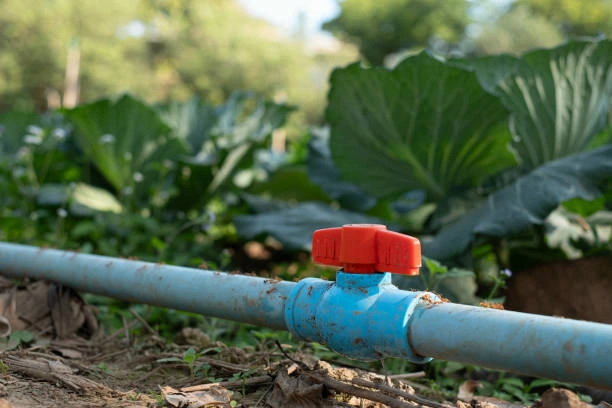
Introduction: A Perfect Pipes for High-Capacity Plumbing Needs
The 6 inch UPVC pipe is a reliable and efficient solution for plumbing systems that require high-volume water or fluid transport. Known for its strength, chemical resistance, and long-term durability, this pipe size is often used in commercial, agricultural, and industrial applications. Whether you're managing a municipal water system or installing irrigation in a large field, a 6 inch UPVC pipe offers an excellent balance of performance and cost-efficiency.
This article explains everything you need to know about 6 inch UPVC pipes—from their key features and common uses to expert tips on selecting, installing, and comparing them to other types of piping materials.
Frequently Asked Questions (FAQs)
1. What is a 6 inch UPVC pipes used for?
It is used for transporting large volumes of water or chemicals in industrial, commercial, and agricultural systems.
2. Is UPVC pipe safe for drinking water?
Yes, UPVC is non-toxic, corrosion-free, and widely approved for potable water systems.
3. How long does a 6 inch UPVC pipe last?
With proper installation, it can last over 50 years due to its high resistance to corrosion and wear.
4. Can I use 6 inch UPVC pipe for underground installation?
Yes, it is commonly used underground thanks to its strength and resistance to soil pressure and moisture.
5. What’s the difference between UPVC and PVC?
UPVC is unplasticized PVC, meaning it doesn’t contain plasticizers. It is stronger, more rigid, and better suited for high-pressure applications.

Definition and Features of 6 Inch UPVC Pipe
A 6 inch UPVC pipe is a Unplasticized Polyvinyl Chloride pipe with a nominal diameter of 6 inches (approximately 160mm). This pipe is rigid, lightweight, and manufactured for high-performance plumbing and fluid transport.
Key Features Include:
- Chemical Resistance: Withstands a wide range of acids, alkalis, and salts.
- High Flow Capacity: Its smooth internal surface ensures minimal friction and consistent flow.
- Durability: Resistant to UV rays, corrosion, and impact, making it ideal for outdoor and underground use.
- Non-Toxic Material: Suitable for potable water applications and food-grade systems.
- Easy to Join: Compatible with solvent cement and mechanical couplings.
These features make it an ideal choice for systems that require reliability and minimal maintenance.
Common Uses and Application Industries
Due to its size and strength, the 6 inch UPVC pipe is popular in a variety of industries. Some common applications include:
- Municipal Water Supply: For transporting water to residential or commercial zones.
- Agricultural Irrigation: For distributing water across large fields or plantations.
- Industrial Fluids: For carrying chemicals, wastewater, or process water.
- Sewage and Drainage Systems: For main pipelines and large-scale drainage.
- Construction Projects: Used in civil engineering for water management systems.
In these sectors, the pipe provides high efficiency with low operating costs.
Buying Guide: How to Choose the Right 6 Inch UPVC Pipe
Selecting the right pipe involves checking more than just the diameter. Here are some factors to consider:
- Material Quality: Choose pipes made from virgin UPVC resin for best performance.
- Wall Thickness (SCH 40 or SCH 80): SCH 80 offers thicker walls and higher pressure ratings.
- Color: Most are gray or white; color may indicate application (e.g., blue for potable water).
- Certifications: Look for ISO, ASTM, or local standards (like NSF) to ensure quality and safety.
- UV Stabilization: For outdoor use, UV-resistant pipes last longer under sunlight.
- Supplier Reputation: Buy from established manufacturers who provide documentation and product support.
Always request technical datasheets to confirm specifications.
Installation Tips and Safety Notes
Installing a 6 inch UPVC pipe is relatively straightforward but requires precision to ensure long-lasting performance.
Key Tips:
- Cut Cleanly: Use a fine-toothed saw or pipe cutter to ensure straight edges.
- Deburr and Chamfer: Smooth out edges before joining to prevent leaks.
- Use Solvent Cement Properly: Apply evenly and let it cure fully before pressure testing.
- Check Alignment: Misaligned fittings can lead to stress and future failures.
- Avoid Excess Heat: Do not expose UPVC to open flames or high installation temperatures.
- Pressure Testing: Always test the system for leaks before covering or pressurizing.
Following manufacturer guidelines can significantly extend the pipe’s lifespan.
6 Inch UPVC Pipe vs Other Pipe Materials: A Comparison
| Feature | 6 Inch UPVC Pipe | Steel Pipe | HDPE Pipe | Copper Pipe |
|---|---|---|---|---|
| Weight | Lightweight | Heavy | Lightweight | Moderate |
| Corrosion Resistance | Excellent | Poor (needs coating) | Excellent | Good |
| Installation Cost | Low | High | Moderate | High |
| Chemical Resistance | High | Low | Very High | Moderate |
| Life Expectancy | 50+ years | 25–30 years | 50+ years | 40–50 years |
| Potable Water Safe | Yes | No (unless lined) | Yes | Yes |
| Pressure Rating (SCH 80) | High | Very High | Moderate to High | High |
| Environmental Impact | Low (recyclable) | High | Low | Moderate |
As seen in the table, UPVC offers an outstanding balance between performance and cost, especially for heavy-duty non-metallic piping needs.
Conclusion: Why Choose 6 Inch UPVC Pipes
In summary, the 6 inch UPVC pipe is a strong, versatile, and cost-effective solution for large-scale fluid transportation. With excellent resistance to chemicals, weather, and pressure, it is suitable for a wide range of demanding applications—from agriculture to industry. Its ease of installation and long lifespan make it a smart choice for both temporary and permanent systems.
When choosing piping materials, reliability and performance matter. The 6 inch UPVC pipe delivers both, helping you build efficient systems with fewer failures and lower maintenance costs.
If you’re planning a heavy-duty project that demands robust water or fluid management, this pipe size may be exactly what you need.