
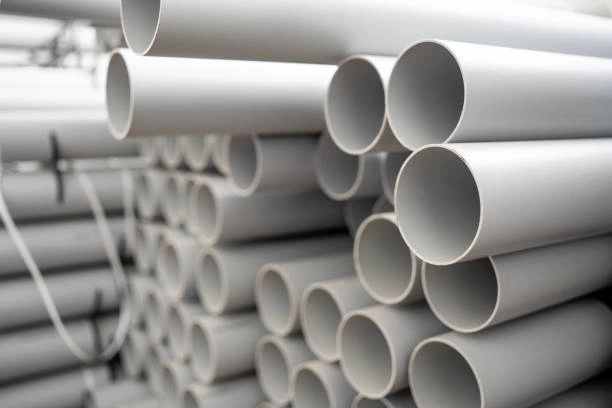
UPVC pipes have become one of the most widely used piping materials in residential, commercial, and industrial systems. Known for their rigidity, chemical resistance, and affordability, UPVC (Unplasticized Polyvinyl Chloride) pipes are ideal for various water supply, drainage, and chemical transport systems. Unlike traditional metal pipes, they are non-corrosive, lightweight, and easy to install, making them a preferred choice in many plumbing applications.
This guide provides a comprehensive overview of UPVC pipes, explaining their features, common applications, selection tips, and installation considerations to help you make an informed choice.
Frequently Asked Questions (FAQs)
1. What does UPVC stand for?
UPVC means Unplasticized Polyvinyl Chloride. It is a rigid form of PVC without plasticizers.
2. Are UPVC pipes suitable for drinking water?
Yes, UPVC pipes are non-toxic and approved for potable water systems in many countries.
3. How long do UPVC pipes last?
Typically, they last over 50 years with proper use and installation.
4. Can UPVC pipes be used underground?
Absolutely. Their corrosion resistance and strength make them suitable for underground installations.
5. What sizes do UPVC pipes come in?
UPVC pipes range from small diameters (½ inch) up to larger sizes (12 inches or more), depending on the application.

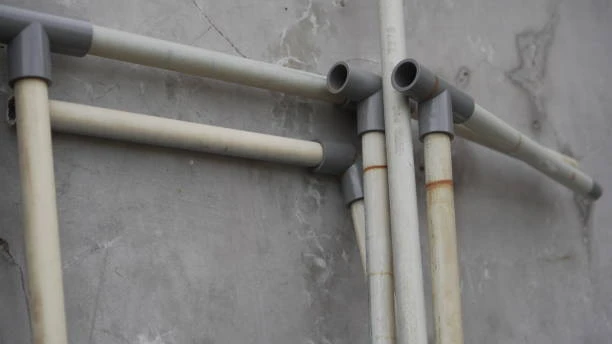
Definition and Key Features of UPVC Pipes
UPVC (Unplasticized Polyvinyl Chloride) pipes are manufactured without added plasticizers, resulting in a rigid, strong material. They are commonly used in plumbing, irrigation, industrial piping, and chemical drainage systems.
Key Features:
- Corrosion Resistance: UPVC does not rust or corrode, even when exposed to harsh chemicals.
- Durability: It withstands impact and external pressure, especially in underground or exposed environments.
- Lightweight: Easier to transport and install than metal alternatives.
- Non-Toxic: Safe for drinking water and food-grade systems.
- Low Maintenance: Smooth internal surfaces prevent scaling and blockages.
- UV Resistant: With proper formulation, UPVC can resist UV damage in outdoor settings.
- Cost-Effective: Offers long-term savings due to low installation and maintenance costs.
Common Applications and Industry Use Cases
Thanks to their versatility, UPVC pipes are used across many sectors:
- Residential Plumbing: Used for cold water lines, waste drainage, and vent piping.
- Agricultural Irrigation: Ideal for drip and sprinkler systems due to consistent pressure and flow.
- Chemical Processing Plants: Safely transports corrosive chemicals, acids, and alkalis.
- Sewage and Drainage Systems: Large-diameter UPVC pipes are used in gravity-fed and pressurized systems.
- Industrial Piping: Common in factories for water supply, compressed air, and chemical transfer.
- Rainwater Harvesting: Used to collect and divert rainwater from rooftops to storage tanks.
The wide range of applications proves UPVC’s flexibility and value in diverse environments.
Buying Guide: How to Select the Right UPVC Pipe
When choosing a UPVC pipe, consider the following factors to ensure optimal performance:
- Size and Diameter: Match the pipe size to your system's flow rate and pressure requirements.
- Pressure Rating: Higher ratings (like SCH 80) are better for industrial or pressurized systems.
- Color Code: UPVC pipes are often white, gray, or blue, indicating their intended use (e.g., potable water, drainage).
- Standards and Certifications: Look for pipes that meet standards such as ASTM, ISO, or NSF.
- Material Purity: Virgin UPVC offers better strength and durability than recycled materials.
- UV Resistance: Required for pipes installed outdoors or in direct sunlight.
- Manufacturer Reputation: Buy from well-known brands that offer technical support and warranties.
Always review the technical datasheet for specifications, especially in critical installations.
Installation Considerations
Installing UPVC pipes is easier than working with metal pipes, but proper technique ensures long-term performance.
Steps and Tips:
- Cutting: Use a fine-toothed saw or pipe cutter for clean, straight cuts.
- Deburring: Remove burrs to prevent weak joints and ensure smooth water flow.
- Dry Fit Before Gluing: Check alignment before applying solvent cement.
- Use Proper Solvent Cement: Follow curing time recommendations before applying pressure.
- Support Spacing: Install pipe clamps or supports at regular intervals to prevent sagging.
- Temperature Control: Avoid installation in extreme heat or cold; allow for thermal expansion.
Correct installation minimizes the risk of leaks, joint failure, and system downtime.
UPVC Pipes vs Other Materials: Comparison Overview
| Feature | UPVC Pipe | PVC Pipe | PPR Pipe | GI Pipe (Galvanized Iron) | Copper Pipe |
|---|---|---|---|---|---|
| Flexibility | Rigid | Semi-rigid | Slightly flexible | Rigid | Rigid |
| Chemical Resistance | Excellent | Good | Good | Poor | Moderate |
| Corrosion Resistance | Excellent | Good | Excellent | Poor | Good |
| Life Span | 50+ years | 30–40 years | 50+ years | 20–30 years | 40–50 years |
| Potable Water Safe | Yes | Yes | Yes | No (unless lined) | Yes |
| Cost | Low | Low | Medium | High | High |
| Ease of Installation | Easy | Easy | Moderate | Difficult | Moderate |
| Heat Resistance | Low (up to 60°C) | Low | High (up to 95°C) | High | High |
Conclusion from the table:
UPVC pipes are best suited for cold water, chemical transport, and outdoor use, while PPR and copper are better for hot water systems.
Conclusion: Is UPVC the Right Pipe for You?
UPVC pipes offer a strong, safe, and budget-friendly solution for a variety of fluid transport needs. From residential plumbing to industrial systems, they deliver reliable performance with minimal maintenance. Their resistance to corrosion and chemicals, combined with a lifespan of over five decades, makes them a smart investment.
If your system operates under normal pressure and temperature conditions and requires a non-reactive, cost-effective solution, UPVC pipes are likely the perfect fit. Always choose certified products and follow proper installation techniques to ensure a long-lasting system.