
Introduction
A PVC ball valve is one of the most widely used valves in plumbing and fluid control systems. Known for its simple design and reliable operation, it controls fluid flow by rotating a ball with a hole through its center. This article explains the key functions, working principles, and common applications of PVC ball valves, helping you understand why they are a popular choice across industries.
What Is a Ball Valve PVC?
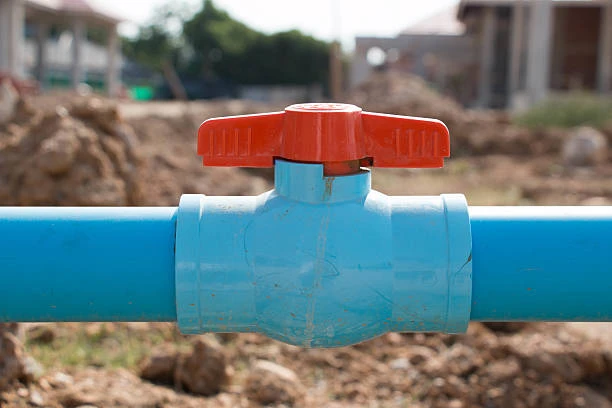
A ball valve PVC consists of a hollow, perforated ball inside a valve body. When the valve handle turns the ball 90 degrees, the hole aligns with the pipe allowing flow. Turning the handle back closes the valve by blocking the flow path with the solid part of the ball.
Key Features:
- Quarter-turn operation for fast open/close
- Provides a tight seal to prevent leaks
- Made from corrosion-resistant PVC material
- Lightweight and easy to install
- Suitable for on/off flow control, not throttling

How Does a PVC Ball Valve Work?
The operation is straightforward:
- When the handle is parallel to the pipe, the valve is open, and fluid flows freely.
- When the handle is perpendicular, the valve closes, blocking the flow entirely.
This design minimizes flow resistance and allows quick shut-off, making it highly efficient for many systems.
Common Applications of PVC Ball Valves
PVC ball valves are used in various applications, including:
- Residential Plumbing: Controlling water flow to sinks, toilets, and appliances.
- Irrigation Systems: Managing water distribution to different zones.
- Swimming Pools and Spas: Shutting off water supply quickly during maintenance.
- Chemical Processing: Handling corrosive fluids safely due to PVC’s chemical resistance.
- Aquariums and Fish Tanks: Regulating water flow without contamination risks.
Advantages of Using PVC Ball Valves
- Corrosion Resistance: PVC resists rust and chemical damage.
- Ease of Use: Quick quarter-turn handle for fast operation.
- Durability: Long service life in a variety of environments.
- Low Maintenance: Minimal wear and easy to replace if needed.
- Cost-Effective: Affordable compared to metal alternatives.
Installation and Maintenance Tips
- Confirm valve size matches your pipe diameter.
- Check flow direction, though ball valves typically work in both directions.
- Use appropriate solvent cement or thread tape for sealing.
- Avoid overtightening the handle to prevent damage.
- Operate valves periodically to ensure smooth function.
PVC Ball Valve vs Other Valve Types
| Feature | PVC Ball Valve | Gate Valve | Globe Valve |
|---|---|---|---|
| Operation | Quarter-turn | Multi-turn | Multi-turn |
| Flow Control | On/off | Throttling possible | Precise throttling |
| Seal Quality | Excellent | Good | Good |
| Maintenance | Low | Medium | Medium |
| Typical Use | Fast shut-off | Flow regulation | Precise flow control |
Conclusion
The PVC ball valve is a versatile and efficient valve solution for many plumbing and industrial systems. Its simple design, fast operation, and chemical resistance make it a top choice for controlling fluid flow. Whether for residential irrigation, industrial chemical handling, or pool maintenance, PVC ball valves deliver reliable performance and easy maintenance.