
Introduction
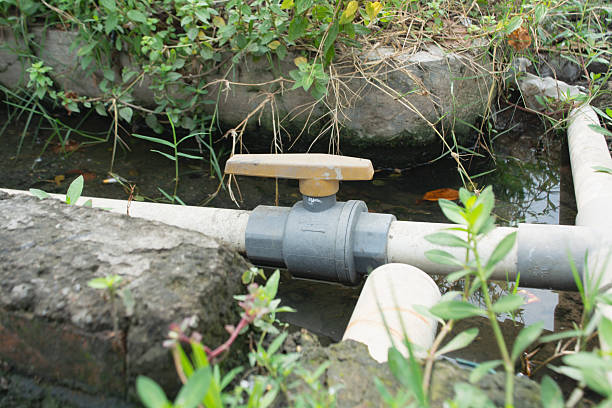
Choosing the right valve for your plumbing or fluid system is critical for optimal performance and longevity. Among the most common types are PVC gate valves and PVC ball valves. Both serve to control flow, but they operate differently and suit different applications. This article compares these two popular valves to help you decide which one best fits your needs.
What Is a PVC Gate Valve?
A PVC gate valve controls flow by lifting or lowering a flat gate inside the valve body. When fully open, the gate lifts completely out of the flow path, allowing water or fluid to pass freely. When closed, the gate seals tightly against the valve seat, stopping flow.
Key Characteristics:
- Operates with a rotating handwheel
- Provides gradual flow control
- Suitable for fully open or fully closed positions
- Can handle high pressures and larger pipe sizes
- Slower to operate compared to ball valves
What Is a PVC Ball Valve?
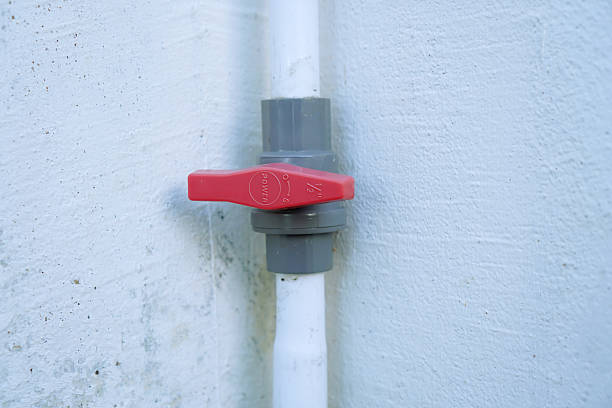
A PVC ball valve uses a spherical ball with a hole through the center. Rotating the valve handle 90 degrees aligns the hole with the pipe, allowing flow, or turns it perpendicular to stop flow instantly.
Key Characteristics:
- Quarter-turn operation for quick open/close
- Provides tight sealing with minimal leakage
- Compact and lightweight design
- Ideal for on/off control rather than flow throttling
- Easier to operate in tight spaces
Comparing PVC Gate Valves and Ball Valves
| Feature | PVC Gate Valve | PVC Ball Valve |
|---|---|---|
| Operation | Multi-turn (usually handwheel) | Quarter-turn handle |
| Flow Control | Gradual throttling possible | Mainly on/off control |
| Sealing | Good, but may leak over time | Excellent, tight seal |
| Speed of Operation | Slower | Fast |
| Size and Weight | Larger, heavier | Smaller, lighter |
| Maintenance | More moving parts, possible wear | Minimal maintenance |
| Typical Use | Large pipes, full shut-off | Residential, irrigation, quick shut-off |
| Cost | Generally lower cost | Slightly higher cost |
When to Choose a PVC Gate Valve
- You need to control flow gradually, not just on/off.
- The system involves large pipes and high pressures.
- Space constraints are minimal, allowing for larger valve size.
- You prefer a more cost-effective option for full shut-off.
When to Choose a PVC Ball Valve
- You want fast, reliable on/off control.
- The application involves smaller pipes or limited space.
- You need a valve with minimal leakage and long-lasting seals.
- Ease of operation and quick maintenance are priorities.
Installation and Maintenance Tips
- Ensure the valve size matches your pipe diameter.
- Check the flow direction indicated on the valve body.
- Use appropriate solvent cement or thread sealant based on connection type.
- Operate valves periodically to prevent sticking.
- Inspect seals regularly, especially for gate valves.
Conclusion
Both PVC gate valves and PVC ball valves offer unique advantages depending on your plumbing needs. If you require gradual flow control and work with larger pipes, gate valves are reliable and economical. Conversely, if quick shut-off, tight sealing, and ease of use are your priorities, ball valves are often the better choice. Understanding your system’s demands will help you select the most suitable valve, ensuring efficient and durable operation.