

Introduction
Choosing the right pipe size is crucial for a safe, efficient, and long-lasting plumbing system. CPVC (Chlorinated Polyvinyl Chloride) pipes are widely used for both residential and commercial applications due to their high temperature tolerance, corrosion resistance, and ease of installation. However, selecting the appropriate CPVC pipe size is key to achieving proper water flow and system reliability. This article offers a complete guide to CPVC pipe sizes, standard dimensions, and their most common uses—helping you make the best decisions for your plumbing projects.
Frequently Asked Questions (FAQs)
1. What sizes do CPVC pipes come in?
CPVC pipes are commonly available in sizes ranging from ½ inch to 2 inches for residential use, and up to 6 inches or more for industrial systems.
2. What is the difference between nominal and actual CPVC pipe size?
Nominal size refers to the pipe's general classification, while the actual outer diameter (OD) may be slightly different. Always check the specification chart.
3. Can I use ¾-inch CPVC pipe for my whole house?
Yes, a ¾-inch pipe is commonly used as the main supply line in homes and provides sufficient flow for most household needs.
4. Is there a difference between Schedule 40 and Schedule 80 CPVC?
Yes. Schedule 40 CPVC is lighter and used in standard plumbing, while Schedule 80 has thicker walls and is used for higher-pressure or industrial applications.
5. Do CPVC pipe sizes match copper or PEX?
CPVC sizes are similar but not always identical. Use compatible fittings or adapters when transitioning between materials.

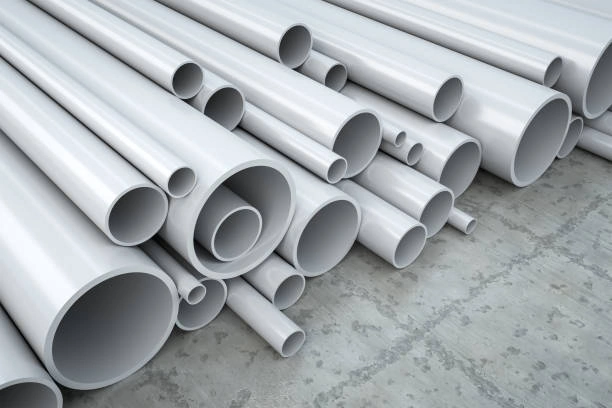
CPVC Pipe Sizes: Overview and Standards
CPVC pipes follow standard sizing systems based on nominal diameter (NPS) and Schedule. The two most common are:
- Schedule 40 CPVC: Used for standard residential and commercial plumbing.
- Schedule 80 CPVC: Thicker walls for high-pressure systems or industrial environments.
Here’s a table of standard Schedule 40 CPVC pipe sizes (in inches):
| Nominal Size | Outer Diameter (OD) | Inner Diameter (ID) |
|---|---|---|
| ½" | 0.840" | ~0.622" |
| ¾" | 1.050" | ~0.824" |
| 1" | 1.315" | ~1.049" |
| 1½" | 1.900" | ~1.610" |
| 2" | 2.375" | ~2.067" |
Always refer to the manufacturer’s datasheet for exact measurements and tolerances.
Common Uses of CPVC Pipe by Size
Different CPVC pipe sizes are best suited for different applications. Below is a general breakdown:
- ½ inch CPVC pipe:
Used for individual water lines to faucets, toilets, and appliances. Ideal for short runs and lower flow requirements. - ¾ inch CPVC pipe:
Common as a main branch line in residential plumbing. It balances flow rate and pressure for kitchens, bathrooms, and laundry rooms. - 1 inch CPVC pipe:
Suitable for larger homes or where multiple fixtures may run simultaneously. Also used in small commercial setups. - 1½ inch and 2 inch CPVC pipe:
Primarily used in industrial, commercial, or multi-family building systems. Handles high-volume water flow and longer distances. - Above 2 inches (e.g., 3", 4", 6"):
Found in manufacturing plants, hospitals, and institutional hot water systems. Used for central supply lines or hot fluid transport.
Key Benefits of Using CPVC for All Sizes
Regardless of size, CPVC pipes offer several universal advantages:
- Temperature resistance: Can handle water up to 200°F (93°C).
- Corrosion-proof: Unaffected by water quality or chemical additives.
- Smooth interior: Prevents scaling and allows optimal flow.
- Fire-resistant: CPVC is self-extinguishing, enhancing safety.
- Cost-effective: More affordable and easier to install than copper or steel.
These qualities apply across the full size range of CPVC pipes, from small residential lines to large commercial systems.
How to Choose the Right CPVC Pipe Size
Here are a few tips for selecting the correct CPVC size:
- Assess flow demand: Larger pipes carry more water but may reduce pressure if oversized.
- Measure fixture count: More fixtures require wider pipe sizes to maintain adequate flow.
- Consult plumbing code: Local regulations often specify minimum sizes for certain applications.
- Account for pressure drop: Consider pipe length and number of fittings, which can reduce pressure over distance.
Using tools like pipe sizing calculators or flow rate charts can help determine the ideal size for your application.
Installation Considerations by Size
Installing CPVC pipes is straightforward, but size affects handling and technique:
- Small diameters (½" to 1"): Easy to cut, handle, and join. Ideal for quick residential installations.
- Medium diameters (1½" to 2"): Require more support to prevent sagging or vibration.
- Large diameters (3"+): May need two-person handling and support brackets at closer intervals.
Regardless of size, follow these tips:
- Use CPVC-compatible solvent cement.
- Deburr and clean all cut surfaces.
- Allow adequate curing time before pressurizing.
CPVC Pipe Sizes vs Other Materials
| Feature | CPVC Pipe | Copper Pipe | PEX Pipe |
|---|---|---|---|
| Size Availability | ½" to 6"+ | ¼" to 4" | ⅜" to 1" (most common) |
| Flow Rate (per size) | High | Moderate | Slightly lower (due to ID) |
| Flexibility | Rigid | Rigid | Flexible |
| Weight | Light | Heavier | Light |
| Installation | Easy (glue) | Hard (soldering) | Very easy (crimp/push-fit) |
| Cost | Affordable | Expensive | Moderate |
In summary, CPVC offers a versatile range of sizes with strong flow characteristics, making it competitive across various piping materials.
Conclusion
Understanding CPVC pipe sizes and their specific uses is essential for designing efficient plumbing systems. From small homes to industrial facilities, CPVC offers a wide selection of diameters to suit different water flow demands and pressure conditions. Whether you’re choosing a ½-inch line for a kitchen faucet or a 2-inch pipe for a commercial boiler, CPVC provides a reliable, cost-effective, and long-lasting solution.
For anyone seeking performance, affordability, and ease of use, CPVC remains a top choice in modern piping systems. Select the right size, install it properly, and enjoy decades of dependable service.