

Introduction
Choosing the right UPVC pipe fittings is just as important as selecting the pipe itself. These components connect, redirect, or terminate your piping system—and if they don’t fit properly or fail under pressure, your entire system could malfunction. This guide will help you understand the key features of UPVC fittings, where and how to use them, and what to consider when buying for your next project.
Frequently Asked Questions (FAQ)
1. What are UPVC pipe fittings used for?
They join or modify the direction and flow of UPVC pipes in water supply, drainage, or irrigation systems.
2. Are all UPVC fittings compatible with any UPVC pipe?
Not always. You need to match diameter, pressure class, and standards (like ISO or ASTM).
3. Can I use UPVC fittings for hot water?
UPVC is typically for cold or ambient-temperature water. Use CPVC for hot water.
4. Do UPVC fittings need glue or welding?
Most use solvent cement bonding, not heat welding or threading.
5. Are UPVC fittings reusable?
Generally, no. Once glued, they form a permanent joint and are not designed to be reused.
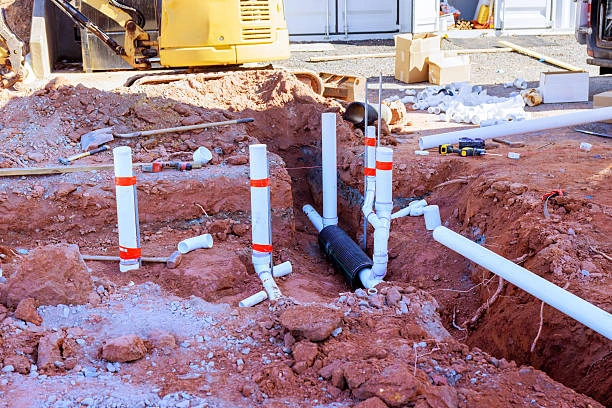
Understanding UPVC Pipe Fittings
UPVC (unplasticized polyvinyl chloride) fittings come in many shapes and functions. Some common types include:
- Elbows (90° / 45°): Change the direction of the pipe
- Tees: Split the flow in two directions
- Reducers: Connect pipes of different diameters
- Couplings / Sockets: Join two straight pipes
- End Caps: Seal the end of a pipe
- Adapters (male/female): Transition to threads or other pipe systems
These fittings maintain flow integrity while resisting corrosion, chemicals, and pressure fluctuations.
Key Features to Consider
When choosing UPVC pipe fittings, pay attention to the following characteristics:
- Size Compatibility: Match the outer diameter and wall thickness of the pipe
- Pressure Rating: Make sure fittings can withstand the operating pressure of your system (e.g., PN10, PN16)
- Material Quality: Look for high-grade virgin UPVC—not recycled—materials for better performance
- Certifications: Choose fittings certified under standards like ISO 1452, ASTM D2466, or DIN
- Seal Integrity: Smooth inner surfaces help prevent leaks and reduce flow friction
- UV Resistance: For outdoor use, check if fittings are UV-stabilized
Where UPVC Fittings Are Commonly Used
- Residential Plumbing: Distributes cold water in bathrooms, kitchens, and utility areas
- Irrigation Systems: Connects pipes in agricultural or garden setups
- Wastewater Lines: Redirects drainage in commercial and residential buildings
- Industrial Applications: Handles chemical fluids in non-pressure and low-pressure environments
- Pool Systems: Connects filtration and return lines in pools and spas
Buying Guide for UPVC Fittings
Here’s what you should evaluate before making a purchase:
- Check Compatibility with Pipe System: Ensure the fitting’s pressure rating, size, and standard match your pipe
- Assess Application Needs: For pressurized systems, use fittings with higher wall thickness and stronger joints
- Inspect Surface Finish: High-quality fittings have smooth interiors and strong molded joints
- Look for Batch Markings: Good manufacturers stamp size, material, and production codes for traceability
- Choose from Trusted Suppliers: Buy from certified sellers to avoid inferior or counterfeit parts
- Compare Prices Smartly: The cheapest may not last long—prioritize value and reliability
Installation Tips for UPVC Pipe Fittings
- Clean the Pipe and Fitting Ends: Remove dirt, oil, or burrs
- Dry Fit Before Bonding: Test alignment to avoid errors
- Use UPVC Solvent Cement: Apply evenly on both the pipe and the fitting
- Push and Hold: Insert the pipe fully into the fitting and hold for 30 seconds
- Allow Proper Curing: Wait at least 24 hours before pressure testing
- Support the Pipes Properly: Prevent stress on joints by using clamps or brackets
UPVC vs Other Fitting Materials (Comparison)
| Feature | UPVC Fittings | CPVC Fittings | Metal Fittings |
|---|---|---|---|
| Temperature Range | Up to 60°C | Up to 90°C | Higher (varies) |
| Corrosion Resistance | Excellent | Excellent | Moderate (rust risk) |
| Cost | Low | Moderate | High |
| Installation Method | Solvent cement | Solvent cement | Threaded/welded |
| Lifespan | 30–50 years | 20–40 years | 15–30 years |
| Weight | Lightweight | Lightweight | Heavy |
Conclusion
Choosing the right UPVC pipe fittings is essential to creating a reliable, leak-free piping system. Focus on the right size, pressure rating, material quality, and compatibility with your project’s requirements. Whether you’re working on a home plumbing system or a large-scale irrigation network, the right fittings will ensure performance, durability, and peace of mind. Always buy from reliable suppliers and follow proper installation steps to get the best results.