
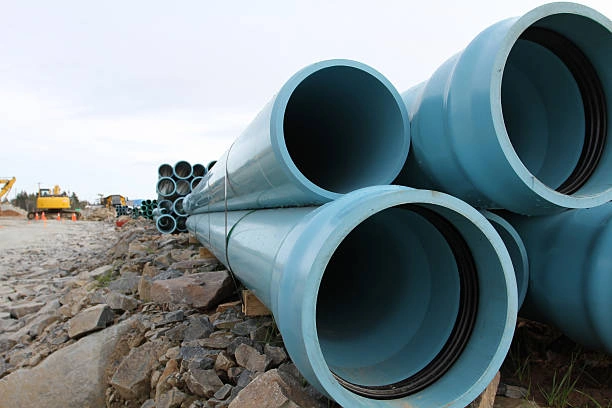
Introduction
When planning a plumbing, drainage, or irrigation system, many professionals ask: Should I choose UPVC or PVC pipes? While these two materials share similar names and are both made from polyvinyl chloride, their properties and applications differ significantly. This article explains the differences between UPVC (unplasticized PVC) and PVC (plasticized PVC) pipes, so you can confidently choose the right material for your project.
Frequently Asked Questions (FAQ)
1. Are UPVC and PVC pipes the same?
No. UPVC is rigid and strong without plasticizers, while PVC is more flexible due to added plasticizers.
2. Which pipe is better for plumbing?
UPVC is typically preferred for plumbing because it’s more durable, non-toxic, and resistant to corrosion.
3. Can I use PVC pipes for drinking water?
PVC contains plasticizers, which are not recommended for potable water. UPVC is safer for water supply.
4. Which one lasts longer?
UPVC usually lasts longer due to its higher resistance to UV, heat, and chemical corrosion.
5. Is UPVC more expensive than PVC?
UPVC is generally slightly more expensive, but its longer lifespan makes it more cost-effective in the long run.

What Is UPVC?
UPVC (Unplasticized Polyvinyl Chloride) is a rigid plastic that does not contain plasticizers. Manufacturers use it to create strong, corrosion-resistant pipes for water distribution, drainage, and irrigation. UPVC is non-toxic, lightweight, and easy to install, making it a popular choice in residential and commercial plumbing systems.
Key Characteristics of UPVC Pipes:
- Hard and rigid
- Non-toxic and safe for drinking water
- High chemical and UV resistance
- Suitable for both indoor and outdoor use
- Recyclable and environmentally friendly
- Lifespan: 30–50 years
What Is PVC?
PVC (Polyvinyl Chloride) contains plasticizers that make it more flexible and bendable. It’s commonly used in applications that require pipe flexibility, such as cable insulation, garden hoses, or temporary water flow systems. However, PVC pipes are less suitable for drinking water and long-term plumbing systems.
Key Characteristics of PVC Pipes:
- Flexible and bendable
- Not recommended for potable water
- Lower UV and heat resistance
- Easy to work with in non-structural applications
- Shorter lifespan compared to UPVC
Typical Applications
Here’s where each type of pipe fits best:
| Application | UPVC Pipe | PVC Pipe |
|---|---|---|
| Drinking Water Supply | ✅ Yes | ❌ Not recommended |
| Drainage Systems | ✅ Excellent | ✅ Good |
| Agricultural Irrigation | ✅ Durable and weather-resistant | ✅ For short-term use |
| Electrical Conduits | ✅ Protective casing | ✅ Flexible casing |
| Chemical Transport | ✅ High resistance | ❌ Lower chemical resistance |
| Outdoor Exposure | ✅ UV-resistant | ❌ Degrades under sunlight |
How to Choose Between UPVC and PVC
To make the best decision, consider these key factors:
- Purpose of Use:
Use UPVC for any long-term, structural, or water supply system. Choose PVC for short-term, flexible installations. - Water Safety:
Always use UPVC if you’re carrying drinking water, as it’s certified non-toxic. - Temperature and Sun Exposure:
UPVC handles higher temperatures and sunlight exposure better than PVC. - Installation Requirements:
Use PVC if you need to bend the pipe during installation. Use UPVC if durability is more important. - Budget vs. Longevity:
PVC is cheaper up front. UPVC costs more but offers better long-term value.
Comparison Table: UPVC vs PVC Pipes
| Feature | UPVC Pipe | PVC Pipe |
|---|---|---|
| Flexibility | Rigid | Flexible |
| Plasticizers | None | Contains plasticizers |
| Drinking Water Safe | Yes | No |
| UV Resistance | High | Low |
| Chemical Resistance | Excellent | Moderate |
| Cost | Slightly higher | Lower |
| Lifespan | 30–50 years | 10–20 years |
| Environmental Impact | Recyclable | Recyclable, but contains additives |
Conclusion
So, which pipe is better—UPVC or PVC? The answer depends on your project. For long-term durability, safety, and environmental performance, UPVC is the better choice, especially for plumbing, drainage, and irrigation. PVC may work in less demanding, flexible applications. Understanding their differences ensures you install a reliable and cost-effective piping system that meets your needs.