

Introduction
PEX water pipes have become one of the most trusted choices for modern plumbing systems, replacing older materials like copper and galvanized steel in many homes and commercial buildings. Known for their flexibility, durability, and ease of installation, PEX pipes are widely used in water supply systems across the world. They are designed to handle varying temperatures, resist corrosion, and offer long-term reliability. Whether you are a professional plumber or a homeowner looking to upgrade your water lines, PEX pipes provide a cost-effective and efficient solution that can meet the demands of both small-scale projects and large-scale plumbing installations.
Frequently Asked Questions (FAQ)
1. What is a PEX water pipe?
A PEX water pipe is a cross-linked polyethylene pipe used for water supply lines. It is flexible, resistant to scale and chlorine, and suitable for both hot and cold water applications.
2. Can PEX pipes be used for hot water?
Yes, PEX pipes are designed to handle both hot and cold water. They can typically withstand temperatures up to around 200°F (93°C), making them ideal for hot water supply lines.
3. How long do PEX pipes last?
With proper installation, PEX pipes can last over 40–50 years. Their lifespan depends on water quality, operating temperature, and pressure conditions.
4. Are PEX pipes safe for drinking water?
Yes, most PEX pipes are certified safe for potable water. Always check for NSF/ANSI 61 certification to ensure they meet drinking water safety standards.
5. Can I install PEX pipes myself?
Yes, many homeowners install PEX themselves because it requires fewer fittings and less specialized equipment compared to copper or PVC. However, following proper guidelines is crucial to avoid leaks and ensure safety.

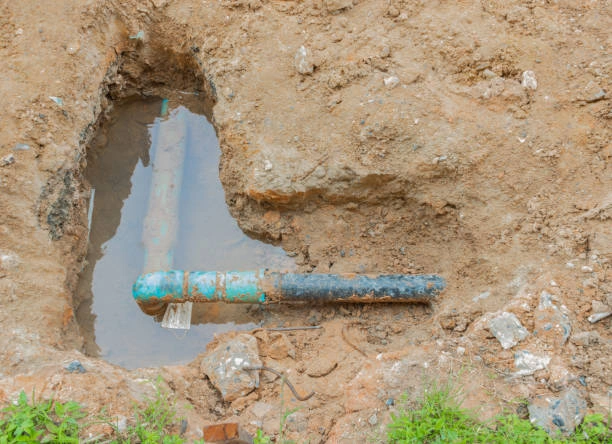
Definition and Key Features of PEX Water Pipe
PEX water pipes are made from cross-linked polyethylene, a plastic material that undergoes a special manufacturing process to increase its strength, flexibility, and resistance to heat and chemicals. The cross-linking process changes the molecular structure of the polyethylene, resulting in a material that can handle higher pressures and temperatures without losing its shape.
Some notable features of PEX water pipes include:
- Flexibility: PEX can bend around corners, reducing the need for fittings and lowering the risk of leaks.
- Corrosion resistance: Unlike metal pipes, PEX will not corrode or develop scale buildup over time.
- Thermal resistance: PEX can handle both hot and cold water, making it versatile for various plumbing needs.
- Ease of installation: Lightweight and easy to cut, PEX is compatible with crimp, clamp, and push-fit fittings.
- Quiet operation: PEX pipes reduce water hammer noise compared to rigid metal pipes.
Common Uses and Applications
PEX water pipes are used in a wide range of residential, commercial, and industrial settings. Some common applications include:
- Residential water supply lines – PEX is ideal for both hot and cold water distribution in homes.
- Radiant floor heating systems – Flexible PEX tubing can be installed beneath floors to circulate warm water for heating.
- Commercial buildings – Offices, hotels, and hospitals use PEX for reliable water supply systems.
- Outdoor plumbing – PEX can be used for irrigation and garden water systems, provided it is protected from UV exposure.
- Remodeling projects – Because of its flexibility, PEX is easier to retrofit into existing structures without major demolition.
Buying Guide for PEX Water Pipes
When choosing the right PEX water pipe, consider the following factors:
- Material Type (PEX-A, PEX-B, PEX-C)
- PEX-A: The most flexible, resistant to kinking, and easy to repair.
- PEX-B: Slightly stiffer but offers excellent chlorine resistance.
- PEX-C: More rigid and generally less expensive, suitable for budget-conscious projects.
- Color Coding
- Red PEX: Hot water lines.
- Blue PEX: Cold water lines.
- White PEX: Can be used for both hot and cold water.
- Certification
Always check for certifications such as NSF/ANSI 61 (potable water safety) and ASTM standards to ensure product quality. - Diameter and Pressure Rating
Choose the right size based on your flow requirements. Common residential sizes range from 3/8 inch to 1 inch. - Brand Reputation
Select brands known for quality and long-term reliability to avoid future plumbing issues.
Installation Tips and Considerations
Installing PEX water pipes is straightforward, but there are important details to follow:
- Plan the layout – Minimize sharp bends to reduce stress on the pipe.
- Use proper fittings – Crimp, clamp, or push-fit connectors should be compatible with the type of PEX you choose.
- Avoid UV exposure – PEX can degrade if exposed to direct sunlight for extended periods. Store and install it in shaded or covered areas.
- Support the pipe – Use pipe hangers or straps to prevent sagging, especially in horizontal runs.
- Allow for expansion – PEX expands and contracts with temperature changes, so leave room for movement.
PEX Water Pipe vs. Other Pipe Materials
Below is a text-based comparison of PEX and other common pipe materials:
| Material | Flexibility | Corrosion Resistance | Installation Ease | Cost | Lifespan |
|---|---|---|---|---|---|
| PEX | High | Excellent | Easy | Low to Medium | 40–50 years |
| Copper | Low | Good | Moderate | High | 50+ years |
| PVC | Low | Excellent | Moderate | Low | 25–40 years |
| Galvanized Steel | Very Low | Poor (rusts over time) | Difficult | High | 20–50 years |
From this comparison, it is clear that PEX offers a balanced combination of flexibility, corrosion resistance, and cost efficiency, making it a strong contender for most plumbing projects.
Conclusion
PEX water pipes have revolutionized modern plumbing by providing a reliable, flexible, and cost-effective alternative to traditional materials. Their durability, ease of installation, and resistance to corrosion make them suitable for a wide range of applications, from residential water lines to commercial systems. By selecting the right type, ensuring proper installation, and following best practices, PEX pipes can serve your plumbing needs efficiently for decades. Whether you are building a new home or upgrading an existing system, PEX remains one of the smartest choices available today.