

Introduction
PVC (Polyvinyl Chloride) has revolutionized plumbing with its lightweight, durable, and cost-effective nature. One key factor that makes PVC so popular is the wide range of PVC fittings designed to simplify every plumbing job. These fittings allow plumbers and DIY enthusiasts alike to connect, redirect, seal, and adapt pipes easily and reliably.
This article explores the different types of PVC fittings, their applications, installation tips, and how they streamline plumbing projects from start to finish.
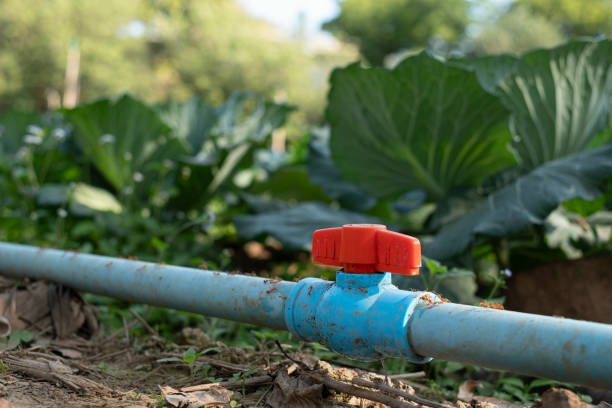
What Are PVC Fittings?
PVC fittings are components that join PVC pipes together or connect PVC pipes to other plumbing elements. They come in many shapes and sizes, designed to fit various plumbing needs such as changing pipe direction, branching lines, reducing sizes, or sealing ends.
PVC fittings connect pipes securely using solvent cement (glue), threading, or compression methods, ensuring leak-free systems.
Common Types of PVC Fittings
- Elbows (45° and 90°): Change pipe direction efficiently.
- Tees: Split or combine flow in multiple directions.
- Couplings: Join two pipes in a straight line.
- Adapters: Transition between different pipe types or sizes.
- Caps and Plugs: Seal pipe ends securely.
- Unions: Allow easy disconnection and maintenance.
- Bushings: Reduce pipe diameter at connection points.
- Wyes and Crosses: Manage complex flow junctions.
How PVC Fittings Simplify Plumbing Jobs
1. Ease of Installation
PVC fittings are lightweight and easy to handle. Solvent welding provides a quick and strong bond, reducing installation time.
2. Versatility
With a broad range of fittings, plumbers can handle virtually any piping configuration or repair with standard components.
3. Cost-Effectiveness
PVC fittings are affordable compared to metal alternatives, making them ideal for both residential and commercial projects.
4. Durability and Corrosion Resistance
PVC’s resistance to corrosion, chemicals, and scaling reduces maintenance needs and prolongs system life.
5. Reusability of Some Fittings
Threaded and union fittings allow for easy disassembly, which simplifies repairs and modifications.
Applications of PVC Fittings in Plumbing
- Residential Water Supply and Drainage: Safe and reliable for cold and warm water systems.
- Irrigation and Landscape Plumbing: Resistant to soil chemicals and moisture.
- Industrial Piping: Handles various chemicals in manufacturing and processing.
- Pool and Spa Systems: Compatible with chlorinated water.
- Vent and Waste Systems: Efficiently manage air and waste flow.
Installation Tips for PVC Fittings
- Cut Pipes Cleanly: Use a proper cutter for smooth edges.
- Deburr and Clean: Remove rough edges and dirt before joining.
- Apply Primer and Cement Properly: Use primer to prepare surfaces and apply solvent cement evenly for a strong bond.
- Follow Cure Times: Allow fittings to set fully before pressurizing.
- Avoid Excessive Force: Don’t overtighten threaded fittings to prevent damage.
Comparing PVC Fittings to Other Materials
| Feature | PVC Fittings | Copper Fittings | Metal Threaded Fittings |
|---|---|---|---|
| Cost | Low | High | Moderate to High |
| Installation Ease | Easy | Moderate | Difficult |
| Corrosion Resistance | Excellent | Good | Poor in corrosive environments |
| Durability | High | High | High |
| Maintenance | Low | Moderate | Moderate |
PVC fittings often provide the best balance of affordability, ease, and durability.
Conclusion
PVC fittings truly simplify every plumbing job, offering flexibility, reliability, and cost savings. Whether you are installing a new system, repairing existing pipes, or designing complex layouts, PVC fittings provide the solutions you need.
By choosing the right fittings and following best installation practices, you ensure a plumbing system that performs efficiently and lasts for years.