
Introduction
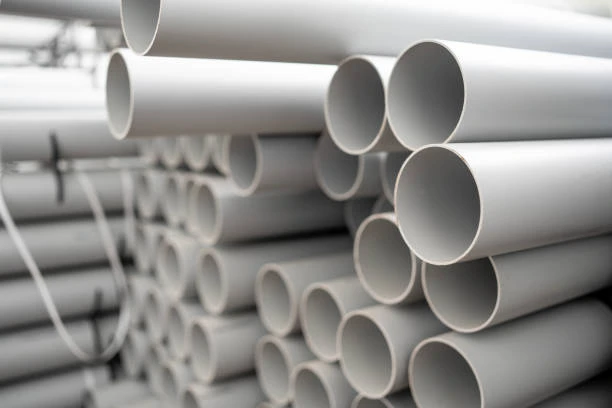
In plumbing systems, creating secure and leak-proof connections is essential. Traditionally, PVC pipes are joined using solvent cement, but this method requires careful preparation and curing time. PVC compression fittings offer an alternative solution—allowing you to connect pipes quickly and reliably without glue.
This article explores what PVC compression fittings are, their benefits, common types, installation tips, and typical applications. Whether you are a professional plumber or a DIY enthusiast, understanding compression fittings can help simplify your projects and reduce downtime.
What Are PVC Compression Fittings?
PVC compression fittings use a mechanical sealing method rather than solvent cement. These fittings consist of a threaded body, a compression ring (also called a ferrule or gasket), and a compression nut. When tightened, the nut compresses the ring around the pipe, creating a tight, leak-proof seal.
This design allows for easy assembly and disassembly, making compression fittings ideal for repairs, temporary installations, or systems requiring frequent maintenance.
Advantages of PVC Compression Fittings
1. No Glue Required
Eliminates the need for solvent cement, primer, and waiting for curing, which speeds up installation and reduces chemical exposure.
2. Reusable
Compression fittings can be disassembled and reused multiple times without damaging the pipe or fitting.
3. Easy Installation
Simple hand tools suffice for installation, and no special training is required to create reliable joints.
4. Leak-Resistant
Properly installed compression fittings provide a strong seal suitable for potable water and low-pressure applications.
5. Versatile
Compatible with various pipe types, including PVC, CPVC, PEX, and copper, when using the appropriate adapters.
Common Types of PVC Compression Fittings
- Compression Couplings: Connect two pipes in a straight line.
- Compression Elbows: Change pipe direction, typically 90° or 45°.
- Compression Tees: Split or combine flow in three directions.
- Compression Adapters: Connect PVC pipes to other materials like copper or PEX.
- Compression Caps and Plugs: Seal pipe ends temporarily or permanently.
Typical Applications of PVC Compression Fittings
- Residential Plumbing Repairs: Quick fixes without the mess of glue.
- Irrigation Systems: Easy to modify or expand.
- Temporary Installations: Construction sites or testing systems.
- Water Filtration Systems: Where frequent maintenance is needed.
- Pool and Spa Plumbing: For connections that may require occasional disassembly.
Installation Tips for PVC Compression Fitting
- Cut Pipes Cleanly and Squarely: Use a proper pipe cutter for a smooth surface.
- Deburr the Pipe Ends: Remove any rough edges to prevent damage to the compression ring.
- Slide Compression Nut and Ring onto Pipe: Ensure correct order.
- Insert Pipe Fully into Fitting: Push until it stops to ensure proper seating.
- Tighten Compression Nut Firmly: Use hand strength first, then a wrench for a snug fit—avoid overtightening.
- Check for Leaks: After pressurizing the system, inspect joints carefully.
PVC Compression Fittings vs Solvent Welded Fittings
| Feature | PVC Compression Fittings | Solvent Welded PVC Fittings |
|---|---|---|
| Installation Time | Quick, no curing needed | Longer due to curing time |
| Disassembly | Easy and reusable | Permanent, requires cutting |
| Tools Required | Basic wrenches | Primer, solvent cement, brushes |
| Leak Resistance | Excellent if installed correctly | Very strong, permanent |
| Chemical Exposure | None | Involves chemicals |
| Cost | Slightly higher per fitting | Lower per fitting |
Compression fittings offer flexibility and speed but may cost more upfront.
Conclusion
PVC compression fittings provide a convenient, glue-free way to create secure, leak-free connections in various plumbing applications. Their ease of installation, reusability, and versatility make them ideal for repairs, temporary setups, and systems requiring frequent maintenance.
By choosing the right compression fittings and following best installation practices, you can enjoy reliable plumbing connections without the mess and wait time of traditional solvent welding.