
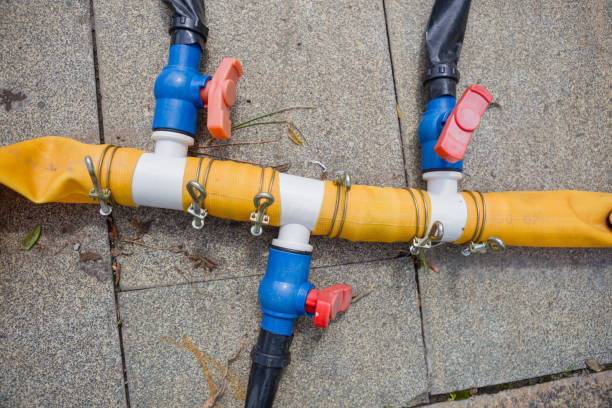
PVC ball valves have become an essential component in modern plumbing and fluid control systems. Thanks to their simple design, durability, and affordability, they offer an ideal solution for homeowners, contractors, and industrial users alike. Whether you're managing garden irrigation or handling low-pressure industrial liquids, a PVC ball valve ensures smooth, reliable flow control with minimal effort. In this article, we will explore the key features, applications, installation tips, and comparison with other valve types to help you choose and use PVC ball valves effectively.
Frequently Asked Questions (FAQ)
1. What is a PVC ball valve used for?
A PVC ball valve controls the flow of liquids by opening and closing with a quarter-turn motion. It is used in irrigation, water supply, pool systems, and low-pressure industrial lines.
2. Are PVC ball valves safe for drinking water?
Yes, most high-quality PVC ball valves are safe for potable water use, but it’s important to check for certifications such as NSF or ANSI.
3. Can I use a PVC ball valve with high-pressure systems?
PVC ball valves work well for low to medium pressure. For high-pressure applications, metal or CPVC alternatives may be more suitable.
4. How long do PVC ball valves last?
When properly installed and used within pressure and temperature limits, PVC ball valves can last 5 to 10 years or more.
5. Do I need glue to install a PVC ball valve?
It depends on the connection type. Solvent-weld valves require glue, while threaded models can be installed without adhesives.
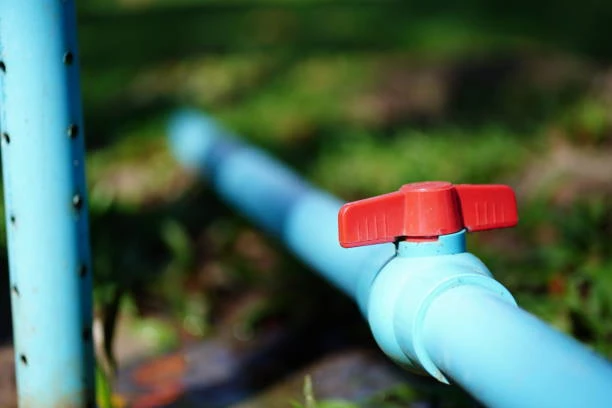
What Is a PVC Ball Valve? Key Features and Design
A PVC ball valve is a type of shut-off valve made from polyvinyl chloride (PVC), featuring a rotating ball with a hole through its center. When the handle is turned 90 degrees, the valve opens or closes to control the flow of liquids.
Key Characteristics:
- Material: Lightweight, corrosion-resistant PVC
- Control: Quarter-turn operation for fast on/off flow
- Connection types: Threaded, socket, or union ends
- Size range: Commonly from 1/2 inch to 4 inches
- Sealing mechanism: Rubber or Teflon seats for tight shut-off
Its simple mechanism, combined with chemical resistance and affordability, makes it a top choice for many non-metallic piping systems.
Common Uses and Industries
PVC ball valves are used in both residential and industrial settings. Their versatility makes them ideal for a wide range of fluid control applications.
Residential Applications:
- Home plumbing systems
- Garden irrigation
- Rainwater harvesting setups
- Pool and spa circulation
Commercial and Industrial Use:
- Water treatment plants
- Agricultural and greenhouse irrigation
- Aquaculture tanks
- Chemical handling (with compatible media)
- HVAC cooling systems (low-pressure circuits)
Because they are non-metallic, they are especially preferred in environments prone to corrosion or with chemically reactive fluids.
Buying Guide: What to Look for in a PVC Ball Valve
Choosing the right PVC ball valve involves more than just size. Pay attention to several important criteria:
1. Material Quality
Ensure the valve is made from high-quality virgin PVC rather than recycled plastic. Virgin PVC offers better performance and durability.
2. Color Codes
Gray or white PVC valves are common. Gray is typically used for industrial or electrical conduits, while white is more common in residential plumbing. The color may also reflect UV resistance.
3. Pressure Rating
Check the pressure rating (e.g., 150 PSI at 73°F). Choose according to your application’s water pressure.
4. Temperature Tolerance
Standard PVC valves tolerate temperatures up to about 140°F (60°C). For higher heat, consider CPVC.
5. Certifications
Look for recognized certifications like:
- NSF/ANSI 61 for drinking water safety
- ISO or ASTM manufacturing standards
- RoHS compliance for environmental safety
Installation Tips and Precautions
Installing a PVC ball valve correctly ensures long-term performance. Here are practical tips:
1. Choose the Right End Type
- Use solvent cement and primer for socket ends.
- Use PTFE tape for threaded connections.
2. Avoid Over-Tightening
Over-tightening threaded connections can cause cracks. Hand-tighten, then use a wrench for one or two additional turns.
3. Support the Pipes
Prevent sagging or stress by supporting pipes near the valve, especially for large diameters.
4. Consider Flow Direction
Although most PVC ball valves work bi-directionally, check manufacturer markings. Some designs may favor one-way flow.
5. Don’t Use with Compressed Air or Gas
PVC is not suitable for compressed gases. Always follow the manufacturer’s use restrictions.
PVC Ball Valve vs. Other Valve Types
Choosing the right valve depends on your specific needs. Here is a comparison of PVC ball valves with other common types:
| Feature | PVC Ball Valve | PVC Check Valve | Metal Ball Valve | Gate Valve |
|---|---|---|---|---|
| Function | Manual on/off | Auto backflow control | Manual on/off | Manual flow control |
| Material | Plastic (PVC) | Plastic (PVC) | Brass/Stainless Steel | Metal or Plastic |
| Corrosion Resistance | Excellent | Excellent | Good (stainless) | Varies |
| Pressure Range | Low to Medium | Low to Medium | Medium to High | Medium to High |
| Cost | Low | Low | Higher | Medium |
| Ease of Installation | Very Easy | Easy | Moderate | Moderate |
| Applications | General plumbing, irrigation | Backflow prevention | High-pressure systems | Gradual flow control |
PVC ball valves are best when you need a simple, cost-effective, and corrosion-resistant shut-off solution in a low- to medium-pressure system.
Conclusion
A PVC ball valve is a smart and efficient tool for flow control in many residential, commercial, and industrial systems. Thanks to its lightweight design, resistance to corrosion, and affordability, it has become a go-to solution for fluid management in a wide variety of settings. Whether you are installing a new irrigation system or replacing an old shut-off valve, understanding how to choose, install, and compare PVC ball valves will help you make informed decisions. Always ensure that the valve matches your pressure, temperature, and material compatibility requirements for optimal performance and safety.
If you're planning your next plumbing project, a PVC ball valve could be the simple yet powerful solution you need.