
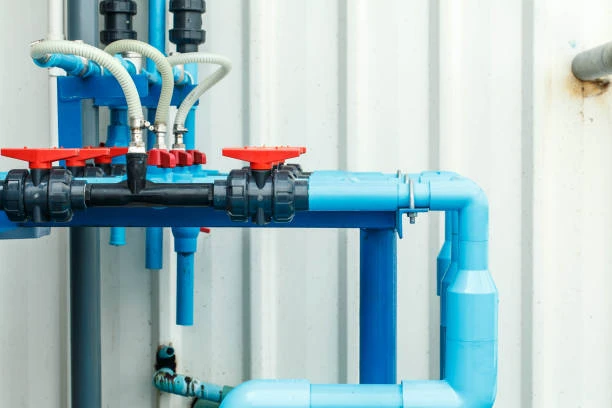
PVC check valves play a critical role in protecting fluid systems across residential, commercial, and industrial applications. These one-way valves are simple in design but powerful in function—they prevent backflow, contamination, and pressure loss, ensuring your systems remain safe and efficient. Whether you're working with irrigation setups, aquariums, or water supply networks, understanding how a PVC check valve works and when to use it can save you from costly damage and inefficiency.
1. What Is a PVC Check Valve and Why Does It Matter?
A PVC check valve is a non-return valve made from polyvinyl chloride (PVC). It allows fluids to flow in one direction only and automatically blocks reverse flow. Inside, a flap or spring mechanism opens when fluid flows forward and closes tightly if the flow reverses.
Key Features:
- One-way flow control
- Corrosion resistance
- Lightweight and cost-effective
- Available in swing and spring-loaded types
- Suitable for low- to medium-pressure systems
Because of its simplicity and reliability, the PVC check valve is often used in environments where metal valves would corrode or where weight and budget are concerns.
2. Common Use Cases and Industries
PVC check valves are versatile and appear in a wide variety of systems. Here are some of their most common applications:
Residential
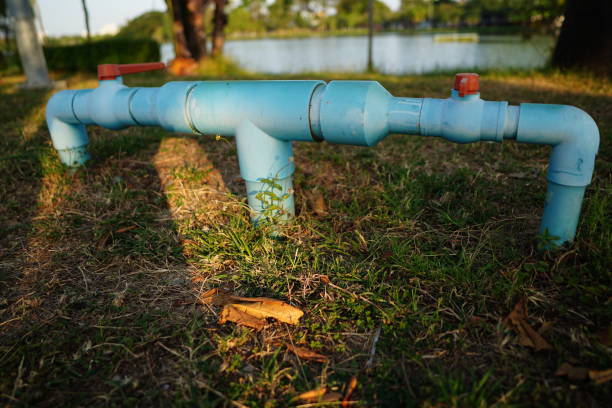
- Garden and lawn irrigation
- Sump pump discharge lines
- Rainwater collection systems
- Home aquariums
Commercial & Industrial
- Chemical processing systems (with compatible fluids)
- Wastewater treatment plants
- Swimming pool and spa circulation
- HVAC drainage lines
- Food and beverage plants (non-potable sections)
In all these use cases, the valve ensures that fluids only move in the intended direction—protecting pumps, preventing contamination, and maintaining efficiency.
3. How Does It Protect Your System?
A PVC check valve acts as a silent guardian within your pipeline. Here’s how it provides critical protection:
Prevents Backflow
The primary function of the check valve is to stop water or fluid from reversing direction. This helps prevent flooding, contamination, or damage to pumps and filters.
Avoids Contamination
In systems where clean and dirty fluids are separated, a check valve blocks dirty water from flowing backward into the clean side.
Protects Pumps and Equipment
Pumps can be damaged by reverse flow, water hammer, or pressure fluctuations. A check valve ensures that when a pump shuts off, fluid doesn't rush back and cause stress or failure.
Maintains Pressure
In pressurized systems, check valves help maintain consistent flow and pressure by eliminating reverse surges or vacuums.
4. Types of PVC Check Valves
1. Swing Check Valve
- Uses a hinged disc that swings open with forward flow
- Best for low-velocity systems
- Requires horizontal or slightly inclined installation
2. Spring Check Valve
- Includes a spring-loaded disc for automatic closure
- Works in any orientation (vertical or horizontal)
- Ideal for faster response and tighter sealing
Both types serve similar purposes but vary in responsiveness and installation flexibility.
5. Buying Guide: What to Look For
When selecting a PVC check valve, consider these critical factors:
1. Size and Connection Type
Choose the appropriate diameter (e.g., 1/2", 1", 2") and connection style (socket or threaded) that matches your pipe system.
2. Flow Direction
Ensure the valve’s arrow marking aligns with your system’s intended flow direction.
3. Material Quality
Look for high-quality virgin PVC. Avoid cheap plastic valves that may leak or degrade quickly.
4. Sealing Performance
Consider valves with rubber (EPDM or Viton) or Teflon seals for better leak prevention.
5. Certifications
If used for potable water or regulated systems, check for certifications like NSF or ANSI compliance.
6. Installation Tips for Long-Term Use
Proper installation is key to valve performance. Follow these practical guidelines:
- Check orientation. Install according to flow direction markings.
- Use appropriate sealants. Apply PTFE tape for threaded fittings. Avoid overtightening.
- Support piping. Especially for larger valves, use pipe supports to prevent stress on the joint.
- Test after installation. Run water or fluid to ensure the valve closes properly without leakage.
- Avoid debris. Flush pipes before installing to prevent clogging or jamming the valve.
7. PVC Check Valve vs Other Valve Types
Here’s how PVC check valves compare to other commonly used valves:
| Feature | PVC Check Valve | PVC Ball Valve | Metal Check Valve | Gate Valve |
|---|---|---|---|---|
| Flow Direction | One-way only | Bi-directional | One-way only | Bi-directional |
| Automation | Automatic (no handle) | Manual operation | Automatic | Manual |
| Material | Plastic (PVC) | Plastic (PVC) | Brass/Stainless Steel | Metal or Plastic |
| Best For | Backflow prevention | Shut-off control | High-pressure systems | Gradual flow control |
| Pressure Tolerance | Low to medium | Low to medium | Medium to high | Medium to high |
| Cost | Low | Low | Higher | Medium |
PVC check valves are ideal for systems that require automatic, low-cost, and corrosion-resistant backflow protection without manual effort.
8. Conclusion
A PVC check valve may look simple, but it performs a critical role in maintaining the safety and efficiency of fluid systems. By blocking reverse flow, protecting equipment, and preserving pressure, this compact device helps you avoid costly issues down the line.
Whether you’re managing a home irrigation system, a chemical tank, or a large drainage network, installing a quality PVC check valve is a smart step toward long-term reliability. Just choose the right type, size, and materials for your needs—and you’ll enjoy clean, controlled, and one-directional flow for years to come.