
1. Summary
When it comes to fluid control in plumbing and industrial systems, two commonly used components are PVC check valves and PVC ball valves. Both serve essential but distinct purposes. While check valves ensure flow in one direction and prevent backflow, ball valves are designed to start or stop flow manually with a simple turn. This article explores their key differences in terms of function, structure, applications, installation, and selection tips to help you choose the right valve for your needs.
2. FAQ: Frequently Asked Questions
Q1: Can I use a PVC check valve instead of a ball valve?
Not usually. A check valve is automatic and controls backflow, while a ball valve is manually operated for on/off flow.
Q2: Which is better for irrigation systems?
Use both: ball valves for controlling flow and check valves to prevent backflow in lines or pumps.
Q3: Are both types suitable for potable water?
Yes, if the PVC valves are certified for drinking water use (e.g., NSF/ANSI standards).
Q4: Can I install them horizontally and vertically?
Yes, but always follow the manufacturer’s flow direction and installation instructions for each type.
Q5: Do these valves require maintenance?
Ball valves may need occasional turning to stay functional; check valves should be inspected for debris or sticking parts.

3. Definition and Key Features
What is a PVC Check Valve?
A PVC check valve, also called a non-return valve, allows fluid to move in only one direction. It automatically blocks reverse flow using a flap, ball, or spring mechanism. This type of valve is passive—it opens with flow pressure and closes when the pressure drops or reverses.
Key Features:
- One-direction flow control
- No manual operation needed
- Prevents backflow
- Available in swing, spring, or ball types
What is a PVC Ball Valve?
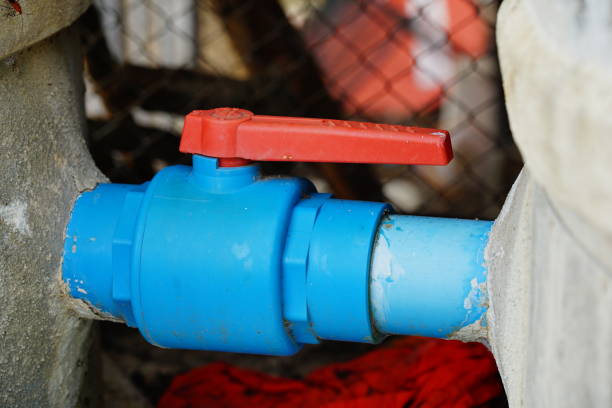
A PVC ball valve is a manually controlled valve with a rotating ball inside. The ball has a hole (bore) through the center; when aligned with the pipe, fluid flows freely. Turning the handle 90 degrees blocks the passage.
Key Features:
- Manual on/off control
- Simple construction
- Reliable seal when closed
- Easy to install and use
4. Applications: Where Each Valve Works Best
PVC Check Valve Applications:
- Irrigation systems: Prevent dirty water from flowing back into clean lines
- Sump pumps: Keep water from returning to the pit
- Rainwater harvesting: Maintain one-way flow to storage tanks
- Aquarium systems: Avoid reverse siphoning
PVC Ball Valve Applications:
- Residential plumbing: Easily stop or start water flow
- Garden hose setups: Control water supply to individual zones
- Aquaponics systems: Manually control flow between tanks
- Industrial pipes: Shut off flow during maintenance
As you can see, each valve type serves different roles. Often, systems require both valves working together.
5. Selection Guide: What to Look For
For PVC Check Valves:
- Valve type: Choose swing or spring depending on vertical or horizontal flow
- Cracking pressure: Look for low cracking pressure for sensitive systems
- Certification: NSF/ANSI certified for potable water systems
- Size compatibility: Match pipe diameter exactly
- Flow direction mark: Ensure the arrow indicates correct direction
For PVC Ball Valves:
- Handle quality: Should turn smoothly without excessive force
- Full port vs. standard port: Full port allows unrestricted flow
- Seal materials: Look for Teflon or rubber seals for tight shut-off
- UV resistance: For outdoor use, UV-resistant models last longer
Understanding these factors will help you select the most suitable valve for your specific plumbing setup.
6. Installation Considerations
PVC Check Valve Installation Tips:
- Align valve according to flow direction arrow
- Clean and dry pipe ends before joining
- Use solvent cement or thread sealant for tight connections
- Test the system after curing to check for leaks or backflow
PVC Ball Valve Installation Tips:
- Position the valve handle where it’s easy to access
- Keep valve open during solvent welding to avoid seal damage
- Tighten threaded models carefully to avoid cracks
- Periodically open/close the valve to prevent sticking
While both are easy to install, precision matters—especially for ensuring leak-free operation.
7. Comparison Table: PVC Check Valve vs Ball Valve
| Feature | PVC Check Valve | PVC Ball Valve |
|---|---|---|
| Function | Prevents backflow | Manually opens/closes flow |
| Operation | Automatic | Manual (quarter turn) |
| Flow Direction | One way only | Two-way (on/off) |
| Common Applications | Pumps, irrigation, tanks | Shut-off control in water lines |
| Maintenance | Minimal, occasional inspection | Requires occasional handle turning |
| Installation Orientation | Horizontal or vertical | Horizontal or vertical |
| Cost | Usually lower | Slightly higher |
This table makes it easy to compare their strengths and differences side by side.
8. Conclusion
In summary, while PVC check valves and PVC ball valves both play important roles in fluid systems, they are not interchangeable. Check valves are essential for automated backflow prevention, while ball valves are ideal for manual shut-off control. Selecting the correct valve depends on your specific system needs—whether you’re managing irrigation, home plumbing, or an industrial process.
Understanding the key differences in function, design, and application ensures you install the right valve in the right place for reliable and long-term operation. When in doubt, consult your system’s requirements and consider using both valve types together for maximum control and protection.