
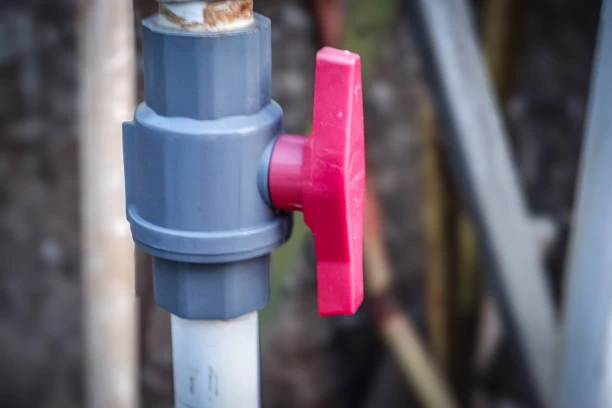
In fluid systems, preventing backflow is not just important—it’s critical. Without proper flow control, contaminated or pressurized fluids can reverse direction and damage equipment or pollute clean water supplies. This is where the PVC one way valve comes in. Designed to allow fluid to move in only one direction, it helps maintain system integrity with minimal maintenance. In this guide, you’ll learn everything about PVC one way valves—from definitions and applications to selection, installation, and comparisons.
1. Summary
A PVC one way valve, often referred to as a check valve or non-return valve, ensures that liquid or gas flows in a single direction. By preventing reverse flow, it protects pumps, plumbing lines, and water sources from contamination or backpressure. This valve is especially suitable for low- to medium-pressure systems due to its corrosion resistance, lightweight design, and ease of installation. Whether for residential irrigation or industrial use, it provides simple yet reliable flow control.
2. Frequently Asked Questions (FAQs)
Q1: What is the main purpose of a PVC one way valve?
It prevents reverse flow in a system, helping to avoid contamination, equipment damage, or water hammer.
Q2: Where can I install a PVC one way valve—vertically or horizontally?
Both orientations are possible, but the flow direction must match the arrow indicated on the valve body.
Q3: Do these valves require regular maintenance?
Not usually. However, periodic checks can help detect clogs, debris buildup, or wear.
Q4: Are PVC one way valves suitable for drinking water systems?
Yes, as long as they are certified for potable water use (e.g., NSF/ANSI 61 certification).
Q5: How is a PVC check valve different from a brass one?
PVC valves are corrosion-resistant and lightweight, while brass valves are more durable under high temperature or pressure.

3. Definition and Features of a PVC One Way Valve
To begin with, let’s define the component. A PVC one way valve is a mechanical device that allows flow in one direction while blocking the reverse. It operates automatically—without electrical or manual input.
Main Characteristics Include:
- Material: Constructed from durable polyvinyl chloride (PVC), which resists rust and chemical corrosion.
- Functionality: Uses a flap, spring, or ball mechanism that closes when backflow pressure is detected.
- Versatility: Available in various sizes and connection types to match plumbing systems.
- Maintenance: Requires minimal upkeep due to simple design and reliable operation.
Clearly, its simplicity is its greatest strength—making it a cost-effective choice for many applications.
4. Common Applications and Industry Use
Next, let’s explore where PVC one way valves are most commonly used. Their application spans a wide range of industries and household systems.
Residential:
- Sprinkler and Irrigation Lines: Prevent dirty water from siphoning back into clean lines.
- Rainwater Collection Systems: Maintain flow direction from roof drains to storage tanks.
- Sump Pumps: Stop discharged water from returning to the pump pit.
Commercial:
- HVAC Systems: Control the direction of water or condensate flow.
- Aquariums and Filtration: Prevent water return to filters or pumps during outages.
Industrial:
- Chemical Handling: Move non-aggressive fluids without risking contamination.
- Water Treatment Plants: Manage flow in inlet and outlet pipes.
As you can see, their use is widespread, thanks to their simplicity and efficiency.
5. Buying Guide: How to Choose the Right PVC One Way Valve
Now that you know what it does, how do you choose the right valve for your system? Several factors must be considered to ensure proper performance.
1. Valve Type
- Swing Type: Opens with flow and shuts with gravity. Best for low-pressure systems.
- Spring Type: Faster response using a spring mechanism. Ideal for vertical or high-speed flows.
- Ball Type: Uses a rolling ball to block reverse flow. Suitable for wastewater or dirty fluids.
2. Pipe Size
Always match the valve to your pipe diameter. Incorrect sizing can reduce flow efficiency or cause leaks.
3. Connection Type
- Slip Fit: Bonds to PVC pipes with solvent cement—permanent and strong.
- Threaded: Allows easier removal and replacement. Ideal for systems requiring frequent inspection.
4. Pressure Rating
Most PVC one way valves operate efficiently up to 150 PSI. For higher pressure systems, consider materials like stainless steel.
5. Certifications
If your system carries drinking water, make sure the valve is certified safe (e.g., NSF, WRAS).
By carefully considering these aspects, you’ll ensure long-lasting and effective system operation.
6. Installation Guidelines
Installing a PVC one way valve is relatively simple, but following a few best practices ensures proper function and longevity.
Step-by-Step Instructions:
- Plan Valve Orientation: Follow the direction arrow clearly printed on the valve body.
- Prepare the Pipes: Clean and dry both pipe ends to remove debris or oils.
- Dry-Fit the Valve: Check spacing and alignment before gluing or threading.
- Apply PVC Primer and Cement (if slip-fit): Coat evenly and connect immediately.
- Use Teflon Tape or Thread Sealant (if threaded): Prevent leaks and simplify future removal.
- Cure Before Use: Let the adhesive fully set (typically 24 hours) before pressurizing the system.
- Test the System: Run water and observe for backflow or leaks.
Thus, with a bit of attention to detail, you can ensure a secure and efficient installation.
7. Comparison: PVC One Way Valve vs Other Materials
To help you choose wisely, here’s a comparison between PVC, brass, and stainless steel check valves:
| Feature | PVC One Way Valve | Brass Check Valve | Stainless Steel Check Valve |
|---|---|---|---|
| Cost | Low | Moderate | High |
| Weight | Very Light | Medium | Heavy |
| Corrosion Resistance | Excellent (non-metallic) | Good | Excellent |
| Temperature Range | Up to 60°C | Up to 100°C | Up to 200°C+ |
| Potable Water Safe | Yes (if certified) | Yes (if certified) | Yes |
| Best Use | Residential, low pressure | Hot water, moderate systems | Harsh chemicals, high temp |
In summary, PVC is perfect for budget-conscious and corrosion-prone systems, while metal valves are better for high-pressure or high-heat applications.
8. Conclusion
To sum up, a PVC one way valve offers a reliable, low-maintenance solution for preventing unwanted backflow. Whether you're managing a garden irrigation line or maintaining an industrial fluid system, this valve ensures smooth, one-directional flow with minimal effort.
By understanding its features, applications, and installation steps, you can confidently choose the right valve for your needs. And with the added benefits of low cost, corrosion resistance, and easy availability, it’s no surprise that PVC one way valves remain a trusted choice across industries.