
Introduction: Understanding PVC Pipe Connectors
PVC pipe connectors are the essential components that bring plumbing and piping systems together. Whether you're building an irrigation system, a household drainage network, or a DIY project, the right PVC pipe connectors ensure secure, leak-free, and long-lasting connections. With various types, sizes, and connection methods available, it's important to know how these connectors work and where to use them.
In this guide, we’ll explain the main types of PVC connectors, their applications, how to choose them, and the best installation tips to get the job done right.
FAQs About PVC Pipe Connectors
1. What are PVC pipe connectors used for?
PVC pipe connectors are used to join, redirect, or close off plastic pipes in plumbing and drainage systems.
2. Are PVC connectors reusable?
Most glued connectors are not reusable. However, threaded or compression-type connectors can often be reused.
3. What sizes do PVC connectors come in?
PVC connectors come in a range of nominal sizes, from ½ inch to 6 inches or more, matching standard PVC pipe sizes.
4. Can I use PVC connectors for hot water lines?
Standard PVC is not suitable for hot water. For hot water applications, CPVC (Chlorinated PVC) connectors should be used instead.
5. Do I need primer and cement to install PVC connectors?
Yes, for permanent watertight connections, use a PVC primer and solvent cement unless using threaded or push-fit connectors.
What Are PVC Pipe Connectors?
PVC pipe connectors are fittings designed to join sections of PVC pipe. They allow you to change pipe direction, branch off, reduce or increase size, or simply cap an open end.
PVC connectors are made from the same rigid, lightweight polyvinyl chloride (PVC) material as the pipes they attach to. They come in both Schedule 40 and Schedule 80 versions and in pressure-rated and non-pressure-rated options.
Key Characteristics
- Durable and corrosion-resistant
- Lightweight and easy to install
- Compatible with standard PVC pipe sizes
- Available in slip (glue-on), threaded, or compression ends

Types of PVC Pipe Connectors
There are many types of connectors, each serving a specific purpose. Here's a breakdown of the most common ones:
1. Couplings
Used to connect two pipes of the same diameter in a straight line.
- Slip Coupling: Glued onto the pipe.
- Repair Coupling: Has no internal stop, allowing adjustment.
2. Tees
Shaped like a “T”, allowing a branch connection.
- Straight Tee: All openings are the same size.
- Reducing Tee: Side outlet is a different size.
3. Elbows
Used to change the direction of the pipe.
- 90° Elbow: Common in corners.
- 45° Elbow: For gradual turns, less pressure loss.
4. Adapters
Used to connect pipes of different materials or types.
- Male/Female Threaded Adapter: One end glued, one end threaded.
5. Bushings
Used to reduce pipe diameter inside a fitting. Often glued in place.
6. Caps and Plugs
Used to close off the end of a pipe or fitting.
- Caps fit over the pipe.
- Plugs fit inside a fitting.
7. Unions
Like couplings, but removable. Ideal for parts that may need servicing.
8. Crosses
Four-way connectors used in complex plumbing or sprinkler layouts.
Common Applications of PVC Pipe Connectors
PVC connectors are widely used in both residential and commercial systems. Typical applications include:
- Plumbing and Drainage: Connecting waste, vent, and water lines.
- Irrigation Systems: Joining pipes for agricultural or garden watering.
- Electrical Conduits: Routing wires through PVC pipe.
- Pool and Spa Systems: Handling non-corrosive water flow.
- DIY Furniture and Frames: Building racks, shelves, greenhouses.
PVC connectors are chosen because they are cost-effective, rust-proof, and simple to use in low to medium pressure systems.
How to Choose the Right PVC Pipe Connector
Choosing the correct PVC connector depends on your project requirements. Here are the key things to consider:
1. Connection Type
- Slip (Socket): For glued joints. Use primer and cement.
- Threaded: For temporary or removable joints.
- Compression or Push-Fit: Tool-free installation.
2. Pipe Schedule Compatibility
- Match Schedule 40 connectors with Schedule 40 pipes, and likewise for Schedule 80.
3. Size
- Make sure the nominal size of the connector matches your pipe’s nominal diameter.
4. Pressure Rating
- For pressurized systems, use connectors rated for the appropriate PSI.
5. Material Quality
- Choose certified, UV-resistant connectors if used outdoors.
6. Certifications
- Look for NSF or ASTM ratings for potable water or drainage applications.
Installation Tips for PVC Pipe Connectors
A successful PVC installation depends on clean cuts and proper joining. Here are step-by-step tips:
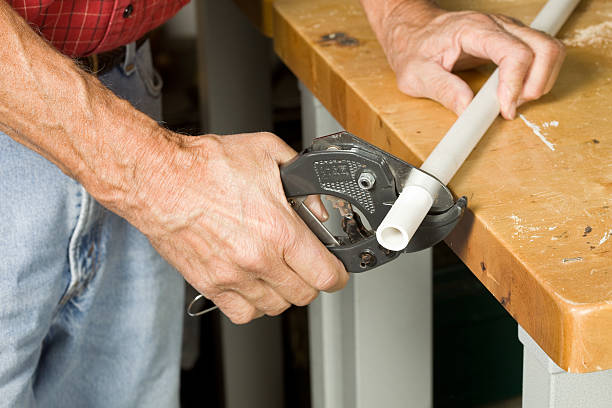
- Cut the pipe squarely using a PVC pipe cutter.
- Dry-fit all parts before applying cement.
- Clean both ends of the pipe and the connector with PVC cleaner.
- Apply primer to the pipe and connector socket.
- Apply solvent cement to both surfaces.
- Push and twist the connector into place quickly.
- Hold for 30 seconds to allow bonding.
- Wait 15–30 minutes before handling; full cure in 24 hours.
PVC Pipe Connectors vs Other Material Connectors
| Feature | PVC Connectors | CPVC Connectors | Metal (Brass, Copper) | PEX Fittings |
|---|---|---|---|---|
| Material | Polyvinyl Chloride (PVC) | Chlorinated PVC | Brass, Copper, or Steel | Cross-linked Polyethylene |
| Temperature Tolerance | Up to ~60°C | Up to ~90°C | High | Moderate (~80°C) |
| Corrosion Resistance | Excellent | Excellent | May corrode over time | Excellent |
| Installation Method | Glue or thread | Glue or thread | Solder or compression | Crimp, clamp, push-fit |
| Reusability | Low | Low | Medium | High |
| Cost | Low | Slightly higher than PVC | Expensive | Moderate |
PVC connectors are the best choice for cold-water, low-pressure applications due to their low cost and ease of use.
Conclusion
PVC pipe connectors are essential components in almost every piping system that uses PVC. From simple couplings to complex tees and elbows, each connector type serves a specific function and must be chosen carefully for your application. Understanding the connector types, sizing, compatibility, and installation techniques will help ensure a leak-free and durable system.
Whether you're repairing a broken pipe or designing an entirely new system, investing in the right PVC pipe connectors will save you time, money, and frustration. Always follow best practices and manufacturer guidelines to get the best results.