
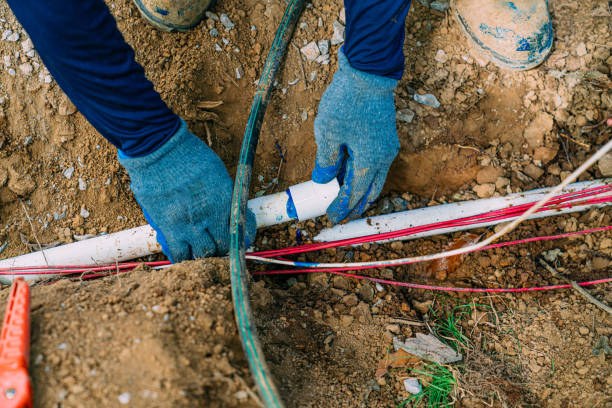
Introduction: Why Insulating PVC Pipes Matters
PVC pipe insulation plays a key role in improving energy efficiency, preventing heat loss, and protecting your plumbing system. Whether you're working with hot or cold water lines, insulation helps maintain temperature, reduces condensation, and extends pipe life. It’s a simple solution with long-term benefits for residential, commercial, and industrial systems.
In this guide, you’ll learn everything you need to know about PVC pipe insulation—how it works, where to use it, how to choose the right type, and how to install it correctly.
FAQs About PVC Pipe Insulation
1. Why should I insulate PVC pipes?
To reduce heat loss, prevent freezing, avoid condensation, and improve system performance.
2. Can I use any insulation material on PVC pipes?
Not all materials are compatible. Use foam, rubber, or fiberglass insulation specifically rated for use on PVC.
3. Does PVC pipe insulation work for both hot and cold water lines?
Yes. It helps maintain hot water temperature and prevents condensation on cold water pipes.
4. How thick should the insulation be?
It depends on temperature range and application. Typically, ½ to 1 inch thickness is suitable for residential use.
5. Can I install PVC pipe insulation by myself?
Yes. Most insulation sleeves are easy to install and require minimal tools or expertise.
What Is PVC Pipe Insulation?
PVC pipe insulation refers to a protective covering applied over PVC pipes to manage heat transfer and protect the system from environmental damage. It comes in various forms, including flexible foam tubes, rubber sleeves, and rigid fiberglass wraps.
Key Characteristics:
- Thermal resistance (R-value rated)
- Moisture barrier to prevent condensation
- UV and chemical resistance (for outdoor or industrial use)
- Pre-slit or self-sealing for easier installation
- Available in different diameters and thicknesses
Common Applications and Benefits
PVC pipe insulation is useful in many settings, including residential, commercial, and industrial systems.
🔧 Applications:
- Hot water plumbing lines: Retains heat and saves energy
- Cold water pipes: Reduces condensation and mold risks
- HVAC systems: Improves efficiency and reduces noise
- Outdoor pipes: Protects against UV, freezing, or damage
- Industrial process lines: Maintains fluid temperature stability
✅ Benefits:
- Saves energy by reducing heat loss
- Prevents pipe sweating and corrosion
- Helps meet building codes and energy standards
- Extends pipe lifespan
- Lowers utility bills and repair costs
How to Choose the Right PVC Pipe Insulation
The right insulation depends on your pipe size, environment, and performance needs. Here’s what to consider:
1. Material Type
- Foam: Affordable, flexible, and suitable for general use
- Rubber: Better temperature resistance and durability
- Fiberglass: Best for high-temperature or commercial systems
2. Wall Thickness
- ⅜ inch: Basic residential use
- ½–1 inch: Enhanced thermal protection
- 1½ inches or more: For cold climates or industrial applications
3. R-Value
- Higher R-values mean better insulation performance. Choose R-3 or higher for efficiency.
4. Fire Rating and Standards
- Check for compliance with local codes and flame-retardant ratings, especially for commercial projects.
5. Ease of Installation
- Pre-slit or self-sealing tubes save time and labor. Choose flexible materials for tight spaces or bends.
Installation Tips for PVC Pipe Insulation
Proper installation maximizes the effectiveness of your insulation.
🔧 Step-by-Step:
- Measure the Pipe
Measure pipe diameter and length before buying insulation sleeves. - Clean the Surface
Wipe the pipe clean of dust, oil, or moisture for better adhesion. - Cut to Size
Cut the insulation with a sharp blade if needed to fit corners or joints. - Install the Insulation
Slide the sleeve over the pipe or wrap it around. For pre-slit tubes, open and press around the pipe. - Seal the Seams
Use adhesive strips or insulation tape to close gaps and secure seams. - Secure with Tape or Clamps
Reinforce ends with insulation tape or cable ties to prevent shifting. - Check for Gaps
Fill exposed joints or bends with extra insulation or foam sealant.
PVC Pipe Insulation vs. Uninsulated Pipes
| Feature | Insulated PVC Pipe | Uninsulated PVC Pipe |
|---|---|---|
| Energy Efficiency | High—retains heat/cold | Low—allows temperature loss |
| Condensation Control | Prevents sweating and mold | High risk of moisture buildup |
| Freeze Protection | Delays or prevents freezing | Prone to burst in cold weather |
| Longevity | Extended pipe lifespan | Greater wear over time |
| Cost Savings | Reduces heating/cooling bills | Higher long-term energy costs |
Installing insulation might add a small upfront cost, but it offers major long-term savings and performance gains.
Conclusion: Boost Efficiency with PVC Pipe Insulation
PVC pipe insulation may seem like a small detail, but it makes a big difference. It keeps your systems running efficiently, protects your pipes from damage, and saves you money on energy bills. Whether you're insulating a few pipes at home or a full-scale industrial network, choosing the right insulation and installing it properly pays off.
Take the time to insulate now—and enjoy reliable performance all year round.