
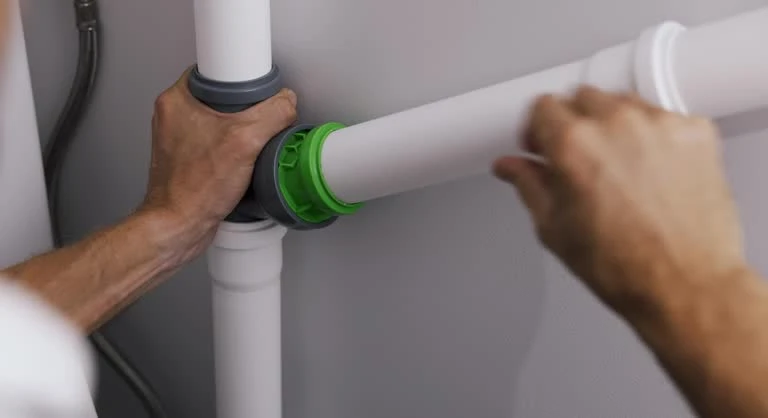
PVC plastic pipe has become one of the most trusted materials in modern plumbing and construction. Known for its durability, low cost, and versatility, it is widely used in residential, commercial, and industrial projects. Whether you're planning a simple garden irrigation system or a complex water distribution network, PVC pipes offer a reliable and long-lasting solution. This guide explores everything you need to know about PVC plastic pipe—from what it is and how it works, to how it compares with other pipe materials.
Frequently Asked Questions (FAQ)
1. What is a PVC plastic pipe made of?
PVC stands for polyvinyl chloride, a type of thermoplastic polymer. It’s mixed with other compounds to enhance its strength, flexibility, and resistance to corrosion.
2. Can PVC pipes be used for hot water?
Standard PVC pipes are not recommended for hot water because they soften under high temperatures. For hot water systems, CPVC (chlorinated PVC) is a better choice.
3. Are PVC pipes safe for drinking water?
Yes, if they are certified for potable water use. Always check for NSF or other safety certifications on the pipe label.
4. How long do PVC plastic pipes last?
When properly installed and maintained, PVC pipes can last 50 years or more, depending on the application and environmental conditions.
5. Can I install PVC pipes myself?
Yes. With basic tools and proper guidelines, many homeowners can install PVC pipes for simple applications. For complex systems, hiring a professional is advisable.

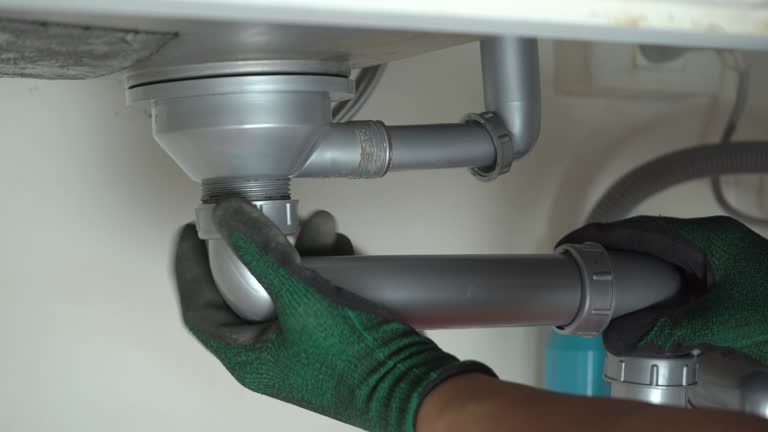
What Is PVC Plastic Pipe? Definition and Key Characteristics
PVC plastic pipe is a synthetic polymer piping product made from polyvinyl chloride. It is lightweight, easy to cut and connect, and resistant to rust, chemical exposure, and weathering. These qualities make PVC a popular material in plumbing, drainage, and even electrical conduit systems.
Some key characteristics of PVC plastic pipe include:
- Non-corrosive: It does not rust or degrade like metal.
- Smooth interior: Ensures better water flow and less friction.
- Low weight: Easier to transport and install compared to metal or concrete.
- High chemical resistance: Ideal for industrial or wastewater systems.
- Affordable: Lower cost per meter than many alternative pipe types.
- Customizable: Available in different diameters, pressure ratings, and colors.
Because of these qualities, PVC plastic pipes are both practical and cost-efficient for long-term use.
Common Uses and Application Industries
PVC plastic pipes are found in a wide range of sectors. Their adaptability has led to widespread use in both public and private infrastructure projects. Some of the most common applications include:
1. Plumbing Systems
PVC pipes are widely used for cold water lines in residential and commercial buildings. They offer leak-proof connections when joined with solvent cement.
2. Drainage and Wastewater
Due to their chemical resistance and smooth internal surface, PVC pipes are ideal for transporting wastewater and rainwater.
3. Irrigation
Agricultural irrigation systems use PVC pipes to distribute water efficiently to crops. Their durability under pressure and UV resistance (in some types) make them suitable for outdoor use.
4. Electrical Conduits
PVC conduits protect wiring in both residential and commercial buildings. Their insulating properties prevent electrical faults.
5. Industrial Applications
Factories and processing plants use PVC piping for chemical transport and ventilation due to its excellent resistance to corrosive substances.
Buying Guide: How to Choose Quality PVC Plastic Pipe
Choosing the right PVC pipe involves more than just picking the correct size. Here are several key factors to consider when purchasing PVC plastic pipe:
1. Material Composition
Check if the pipe is made of standard PVC or CPVC. For high-temperature applications, CPVC is necessary. Also, verify that the plastic is lead-free and complies with safety standards.
2. Certifications
Look for pipes certified by standards such as NSF, ASTM, or ISO. Certification ensures that the pipe is safe for its intended use, particularly for potable water.
3. Color Codes
In some regions, PVC pipe colors indicate their use:
- White: Standard plumbing
- Gray: Electrical conduit
- Blue: Potable water
- Green: Sewer systems
Make sure to select the appropriate type based on your application.
4. Wall Thickness and Pressure Rating
PVC pipes come in different schedules (Schedule 40, Schedule 80), which indicate wall thickness. Thicker walls handle higher pressure but are heavier and more expensive.
5. Manufacturer Reputation
Buy from reliable brands with a track record of quality. Poor-quality pipes may crack or deform under pressure.
Installation Tips and Precautions
Proper installation of PVC plastic pipe ensures system longevity and safety. Here are some best practices:
1. Cutting and Measuring
Use a fine-toothed saw or pipe cutter for clean cuts. Always measure and mark before cutting to ensure accuracy.
2. Deburring and Smoothing
After cutting, remove burrs and smooth the edges. This prevents blockages and ensures proper sealing during joining.
3. Use the Right Adhesive
PVC pipes are typically joined using solvent cement. Apply a primer if required, then use adhesive suitable for the pipe's diameter and pressure rating.
4. Avoid Over-Tightening
When connecting with threaded fittings, do not overtighten. It may crack the pipe or fitting, especially under pressure.
5. Proper Support and Spacing
Use pipe hangers or clamps to support the pipe at regular intervals. This prevents sagging or stress, especially in horizontal runs.
6. Protect from Sunlight
If the pipe is exposed to direct sunlight for long periods, use UV-resistant coatings or select pipes made for outdoor use.
PVC Plastic Pipe vs. Other Pipe Materials
Choosing the right pipe depends on factors such as cost, lifespan, resistance, and ease of installation. Below is a comparison of PVC plastic pipe with other common materials:
| Feature | PVC Plastic Pipe | CPVC Pipe | PEX Pipe | Copper Pipe | Galvanized Steel |
|---|---|---|---|---|---|
| Temperature Range | Low to medium | Higher | Medium | High | High |
| Cost | Low | Moderate | Moderate | High | High |
| Flexibility | Rigid | Rigid | Flexible | Semi-rigid | Rigid |
| Corrosion Resistance | Excellent | Excellent | Excellent | Poor (in some water) | Poor |
| Installation | Easy | Easy | Very easy | Moderate | Difficult |
| Lifespan | 50+ years | 50+ years | 40–50 years | 50+ years | 40 years |
| Applications | Plumbing, drainage | Hot water, chemicals | Indoor plumbing | Hot water, gas | Older plumbing |
PVC pipes stand out for their low cost and ease of use, making them ideal for most cold-water systems and general-purpose piping.
Conclusion
PVC plastic pipe offers a smart balance of durability, affordability, and versatility. Whether you're a homeowner tackling a DIY plumbing job or a contractor managing a major infrastructure project, PVC piping is a dependable choice. With proper selection and installation, it provides a leak-free, low-maintenance solution that lasts for decades. Remember to always choose certified materials, follow installation guidelines, and match the pipe type to the application for best results.
If you're looking for a long-lasting, budget-friendly, and eco-conscious piping material, PVC plastic pipe is hard to beat.