
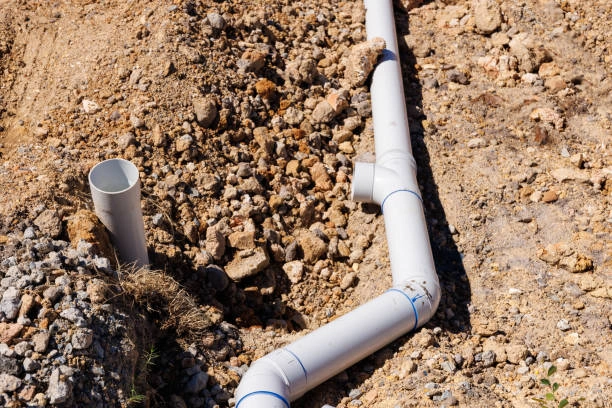
Introduction: Why PVC Pipe Supplies Matter
When it comes to plumbing, irrigation, drainage, or construction projects, having the right PVC pipe supplies is essential. From the pipes themselves to fittings, adhesives, cutters, and supports, a complete supply ensures that your project runs smoothly and efficiently. Instead of shopping at multiple stores, professionals and DIYers alike benefit from getting everything in one place.
This article will walk you through the essential types of PVC pipe supplies, how to choose the right ones, where they are commonly used, and what to consider for installation and comparison with alternatives.
FAQ: Frequently Asked Questions
1. What are PVC pipe supplies?
They include PVC pipes, fittings, valves, primers, cement, supports, and tools needed to build or maintain PVC piping systems.
2. Where can I use PVC pipe supplies?
In residential plumbing, agricultural irrigation, industrial fluid transport, and electrical conduit systems.
3. What fittings are typically included in PVC pipe supplies?
Elbows, tees, couplings, unions, adapters, end caps, and valves.
4. How do I know what size of PVC pipe or fitting I need?
Match the pipe’s nominal size with your system design. Most common sizes range from ½ inch to 4 inches.
5. Can I get all these supplies in one place?
Yes. Many plumbing supply stores and online platforms offer complete kits or full ranges of PVC pipe supplies for convenience.
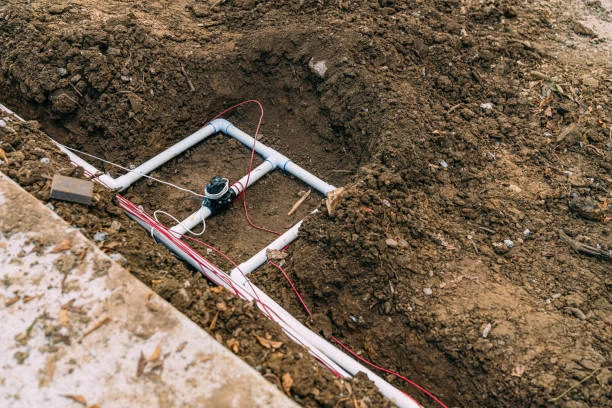
What’s Included in PVC Pipe Supplies?
PVC pipe supplies refer to all the components you need to build, repair, or expand a PVC piping system. Here’s what they typically include:
1. PVC Pipes
Available in various diameters (e.g., ½", 1", 2") and schedules (usually Schedule 40 or 80), these pipes form the foundation of the system.
2. Fittings
To route water or fluid in different directions, you'll need:
- Elbows (90° or 45° turns)
- Tees (for branching off)
- Couplings (to connect two pipes)
- Adapters (transitioning to threaded or different materials)
- End Caps (to seal the ends)
3. Valves
Valves regulate or shut off flow within the system. Common options include ball valves, gate valves, and check valves.
4. Solvent Cement and Primer
These create strong, leak-proof joints between pipes and fittings. Primer prepares the surface, while cement bonds them together.
5. Pipe Clamps and Supports
These help secure pipes in place, reduce movement, and prevent sagging, especially in above-ground or exposed systems.
6. Cutting and Installation Tools
Tools like internal pipe cutters, ratcheting pipe cutters, and measuring tape simplify accurate installation.
Common Applications of PVC Pipe Supplies
PVC pipe supplies are versatile and widely used in:
• Plumbing Systems
For both residential and commercial plumbing, PVC pipes carry water to and from sinks, showers, and appliances.
• Irrigation Systems
In agriculture and landscaping, PVC pipes distribute water efficiently to plants, lawns, and crops.
• Drainage and Waste Systems
PVC's resistance to corrosion makes it perfect for sewer and stormwater drainage systems.
• Electrical Conduits
PVC conduit pipes protect wiring in construction and infrastructure installations.
How to Choose the Right PVC Pipe Supplie
Before starting your project, consider the following:
• Pipe Size and Schedule
Choose the correct diameter and pressure rating. For example, Schedule 40 is common for home plumbing, while Schedule 80 suits higher-pressure applications.
• Material Quality
Look for supplies made from high-grade PVC with certifications like ASTM or NSF for performance and safety.
• Compatibility
Ensure fittings match your pipe schedule and size. Mixing incompatible fittings can lead to leaks.
• UV Resistance
If pipes are installed outdoors, UV-resistant pipes and fittings will last longer under sunlight.
• Intended Application
Select components based on use—drainage systems may not require pressure-rated pipes, while irrigation might.
Installation Tips for PVC Pipe Systems
To get the most from your PVC pipe supplies, proper installation is key:
- Measure twice, cut once to avoid waste.
- Use a sharp cutter to ensure smooth, even edges.
- Deburr pipe ends before connecting.
- Dry-fit components before applying cement to confirm alignment.
- Apply primer first, then cement to both surfaces.
- Hold joints together for 30 seconds after connecting.
- Allow curing time before turning on water—usually 15–30 minutes for low-pressure, 24 hours for full cure.
With these steps, your system will be secure, long-lasting, and leak-free.
PVC Pipe Supplie vs. Other Piping Materials
| Feature | PVC Pipe Supplies | Metal Piping Systems | Polyethylene (PE) Systems |
|---|---|---|---|
| Cost | Low | High | Medium |
| Corrosion Resistance | Excellent | Poor (needs coatings) | Good |
| Ease of Installation | Easy | Complex | Easy |
| Weight | Lightweight | Heavy | Lightweight |
| Tool Requirement | Simple | Specialized tools needed | Requires clamps/fusions |
| Availability | Widely available | Sometimes limited | Common |
PVC pipe supplies offer a great balance of affordability, accessibility, and reliability, especially for non-metallic fluid systems.
Conclusion: Everything You Need in One Place
Whether you're installing a home plumbing system, setting up farm irrigation, or managing industrial drainage, PVC pipe supplies provide all-in-one convenience. With the right pipes, fittings, adhesives, and tools, your project can move forward efficiently and professionally.
Instead of sourcing parts from multiple locations, choosing a single trusted supplier can save time, ensure compatibility, and reduce stress. So next time you’re preparing for a PVC project, remember that everything you need is available in one place—making your job easier, faster, and more reliable.