

Introduction: Why Choose PVC Irrigation Pipe?
Efficient water management is essential in agriculture and landscaping, and PVC irrigation pipe has emerged as one of the best solutions. Not only does it offer durability and affordability, but it also simplifies installation and maintenance. Moreover, PVC pipes help deliver water precisely where plants need it, reducing waste and improving overall irrigation efficiency.
In this article, we will explore the features, common applications, buying tips, installation advice, and a comparison with other materials to help you understand why PVC irrigation pipe is a smart choice.
Frequently Asked Questions (FAQ)
1. What exactly is PVC irrigation pipe?
PVC irrigation pipe is a rigid plastic pipe made from polyvinyl chloride, specifically designed to distribute water in irrigation systems.
2. Why is PVC the preferred choice for irrigation?
It combines durability, chemical resistance, and ease of handling, which makes it highly suitable for irrigation needs.
3. Can PVC pipes be buried underground safely?
Yes, they are commonly used underground and are engineered to withstand soil pressure and moisture.
4. How are PVC irrigation pipes connected?
They are typically joined using PVC fittings and solvent cement to create watertight seals.
5. How long does a PVC irrigation system last?
With proper installation and maintenance, these pipes can last over 20 years.
What Is PVC Irrigation Pipe? Definition and Features
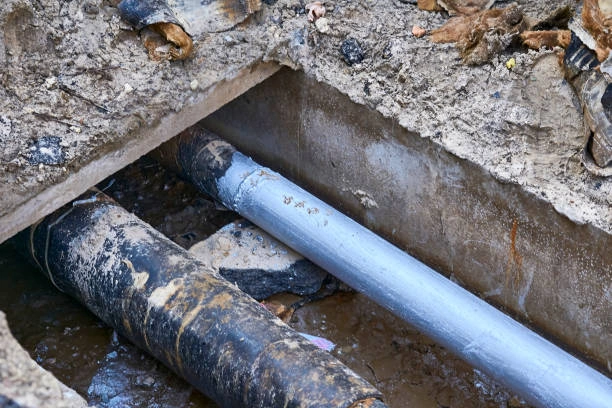
PVC irrigation pipe is manufactured from polyvinyl chloride (PVC), a strong and versatile thermoplastic. It offers many advantages over other materials. For instance, its smooth interior reduces friction, which allows water to flow efficiently. Additionally, PVC pipes resist UV rays, chemicals, and physical damage, making them ideal for outdoor and underground use.
Furthermore, PVC pipes are lightweight, which eases transportation and installation. Lastly, the affordability of PVC makes it a cost-effective choice without sacrificing durability or performance.

Common Applications of PVC Irrigation Pipe
PVC irrigation pipe is widely used across various irrigation setups. To illustrate:
1. Agricultural Irrigation
Farmers depend on PVC pipes for sprinkler and drip irrigation systems to efficiently water crops while conserving resources.
2. Residential Landscaping
Homeowners use PVC piping for lawn sprinklers, garden beds, and vegetable patches to maintain healthy and lush landscapes.
3. Commercial Grounds Maintenance
Parks, golf courses, and sports fields utilize PVC irrigation for even and reliable watering across large areas.
4. Greenhouse Irrigation
In greenhouses, PVC pipes support precise watering controls essential for optimal plant growth.
Each of these applications benefits from PVC’s durability and ease of use, making it a top choice in irrigation.
Buying Guide: Choosing the Right PVC Irrigation Pipe
When selecting PVC irrigation pipe, there are several important factors to consider:
1. Pipe Diameter and Length
Depending on the water volume and system design, you should select pipes with appropriate diameters, commonly ranging from ½ inch to 6 inches.
2. Schedule Rating
Schedule 40 pipes are standard for most irrigation systems, but heavier schedules offer better pressure resistance when needed.
3. UV Resistance
For exposed installations, choosing UV-stabilized pipes prevents damage from sunlight over time.
4. Certifications
Look for industry standards such as ASTM or NSF certifications to ensure pipe quality and safety.
5. Fittings Compatibility
Ensure the pipes are compatible with available fittings like elbows, tees, valves, and connectors to build an efficient system.
Considering these factors will help you choose the best PVC irrigation pipe for your needs.
Installation Tips for PVC Irrigation Pipe
Proper installation enhances system longevity and performance. Therefore:
- Plan your irrigation layout carefully to minimize sharp bends and reduce pressure loss.
- Cut pipes cleanly using a pipe cutter or fine-toothed saw to avoid rough edges.
- Deburr the pipe ends to ensure smooth connections.
- Dry fit all parts first to check alignment before gluing.
- Apply PVC primer and solvent cement evenly for strong, leak-proof joints.
- Allow sufficient curing time before pressurizing the system.
- Support pipes properly, especially in above-ground sections, to prevent sagging or damage.
By following these steps, your PVC irrigation system will perform efficiently for years to come.
PVC Irrigation Pipe vs Other Materials: A Comparison
| Feature | PVC Irrigation Pipe | Polyethylene (PE) Pipe | Metal Pipe |
|---|---|---|---|
| Cost | Affordable | Usually cheaper | More expensive |
| Durability | High | Good, flexible | Susceptible to rust |
| Ease of Installation | Easy | Flexible, easy | Requires welding/threading |
| UV Resistance | Available UV-stabilized | Excellent | Depends on coating |
| Pressure Rating | Medium to high | Lower | High |
| Chemical Resistance | Excellent | Good | Variable |
While each material has its pros and cons, PVC irrigation pipes offer a balanced combination of cost-effectiveness, durability, and ease of installation, making them an excellent choice for most irrigation projects.
Conclusion
In summary, PVC irrigation pipe provides a smart, reliable, and affordable watering solution for agriculture, landscaping, and commercial grounds. Its durability, ease of installation, and compatibility with various fittings make it an ideal material for efficient irrigation systems.
By carefully selecting the right pipe size, investing in quality fittings, and following proper installation procedures, you can ensure your irrigation system operates effectively and lasts for many years.
PVC irrigation pipe truly is a smart choice for anyone looking to optimize their watering solutions.