
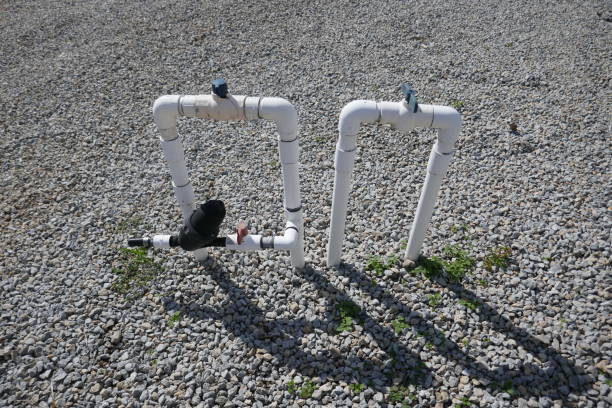
PVC shut off valves are essential components in fluid control systems, offering a simple yet effective way to manage water flow. Due to their lightweight design, high chemical resistance, and affordability, they are widely used in residential, agricultural, and light industrial applications. In this guide, you’ll learn everything you need to know about PVC shut off valves—from their features and uses to installation tips and comparison with other valve types.
1. Summary of This Guide
In the sections that follow, we will provide a comprehensive overview of PVC shut off valves. You’ll find answers to common questions, learn how to choose the right valve, and discover how these valves compare to alternatives. Whether you're a homeowner, a farmer, or an installer, this article will help you understand how to select and use PVC shut off valves effectively.
2. Frequently Asked Questions (FAQs)
Q1: What is a PVC shut off valve used for?
A PVC shut off valve is used to manually start or stop the flow of fluids in a piping system. It’s ideal for water, mild chemicals, and other non-pressurized liquids.
Q2: Can PVC shut off valves be used outdoors?
Yes. However, for long-term outdoor use, it’s best to choose UV-resistant valves or add protective covering to prevent degradation from sunlight.
Q3: Are PVC shut off valves suitable for hot water systems?
No. Standard PVC is not heat-resistant. If you need to handle hot water, opt for CPVC valves instead.
Q4: How do I know what size valve I need?
You should match the valve size to the pipe diameter. Common sizes include ½ inch, ¾ inch, and 1 inch.
Q5: Do PVC shut off valves need maintenance?
Generally, they require little maintenance. You only need to check for leaks periodically and ensure the handle moves freely.
3. Definition and Key Features of PVC Shut Off Valves
To begin with, a PVC shut off valve is a device made of polyvinyl chloride designed to control the flow of liquids in a pipe system. It typically comes with a simple lever or handle that rotates a ball or gate mechanism inside the valve body.
Key Characteristics Include:
- Corrosion Resistance: Unlike metal valves, PVC does not rust or corrode.
- Lightweight Construction: Easy to transport, carry, and install.
- Cost-Efficiency: One of the most affordable valve types available.
- Non-Toxic: Safe for potable water systems when certified.
- Variety of Sizes and Styles: Available in inline, slip, or threaded connections.
All in all, PVC shut off valves provide a reliable, low-cost solution for everyday fluid control needs.
4. Common Uses and Industries
Because of their flexibility and low maintenance, PVC shut off valves are used in a wide range of industries. Let’s take a closer look at their most popular applications.
Residential Use
- Garden irrigation systems
- Water tanks and rainwater harvesting
- Under-sink plumbing and home plumbing isolation
- Aquarium filtration setups
Agricultural Use
- Drip irrigation systems for crops
- Livestock watering systems
- Fertilizer delivery and water flushing systems
Commercial and Industrial Use
- Chemical fluid handling (non-corrosive types)
- Temporary shutoff systems for construction water lines
- Light-duty industrial process water control
Thanks to their durability and ease of use, PVC shut off valves are preferred where convenience and reliability matter most.
5. How to Choose the Right PVC Shut Off Valve
Now that you know where they’re used, let’s explore how to choose the best valve for your system. Several key factors can affect performance and longevity:
1. Valve Type
Most PVC shut off valves are ball valves, which are ideal for quick and full shutoff. Gate valves are also available but are less common in PVC.
2. Pipe Compatibility
Always check that the valve diameter matches your pipe—this ensures proper connection and avoids leaks.
3. Connection Method
- Slip (solvent weld): Requires PVC glue and primer for a permanent bond.
- Threaded: Allows easy installation and removal, good for maintenance purposes.
4. Material Grade
Choose valves made from high-grade PVC, especially if exposed to chemicals or outdoor conditions. For UV resistance, go with gray or dark-colored PVC, which tends to be more sunlight-resistant.
5. Certifications
If you’re using the valve for potable water, check for NSF or other certifications that confirm safety standards.
By paying attention to these factors, you’ll ensure you choose a shut off valve that performs well in your specific application.
6. Installation Tips and Best Practices
Installing a PVC shut off valve is relatively simple, even for beginners. However, a few best practices can make a big difference in performance and longevity:
- Measure and cut pipes accurately, ensuring clean, square edges.
- Deburr and clean all pipe ends to remove dust or rough plastic edges.
- Dry-fit the system before gluing to confirm alignment.
- Use PVC primer and solvent cement for slip connections—apply evenly and avoid excessive glue.
- Let the glue cure for at least 15–24 hours before turning on water flow.
- Install valves in accessible areas, so they’re easy to operate and maintain.
Additionally, always follow manufacturer instructions and local plumbing codes for safety and reliability.
7. PVC Shut Off Valves vs. Other Valve Types
To understand the advantages of PVC shut off valves, it's helpful to compare them with other materials:
| Feature | PVC Shut Off Valve | CPVC Shut Off Valve | Metal Shut Off Valve |
|---|---|---|---|
| Material Type | Polyvinyl Chloride | Chlorinated PVC | Brass / Stainless Steel |
| Temperature Resistance | Up to 60°C (140°F) | Up to 90°C (194°F) | High |
| Corrosion Resistance | Excellent | Excellent | Varies |
| Cost | Low | Moderate | High |
| Weight | Light | Light | Heavy |
| Suitable for Potable? | Yes (if certified) | Yes | Yes |
| Best Use Case | Cold water systems | Hot water systems | High-pressure or hot use |
Clearly, PVC shut off valves are ideal for cold, low-pressure systems where corrosion resistance and ease of installation are important.
8. Conclusion
In summary, PVC shut off valves are an excellent choice for simple, reliable fluid control. Their durability, affordability, and user-friendliness make them a favorite among homeowners, landscapers, farmers, and even light industrial users.
Whether you’re upgrading a garden irrigation system or adding a shutoff point to a plumbing line, choosing the right PVC valve—and installing it properly—can extend the life of your system and simplify maintenance. Take the time to evaluate your needs and follow the tips in this guide for the best results.