
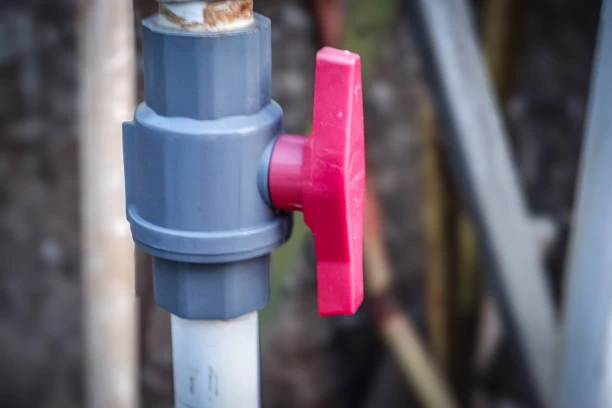
PVC valves play a vital role in managing water flow in residential, commercial, and industrial plumbing systems. These valves control direction, pressure, and shut-off functions to ensure safe and efficient operations. With multiple types available—such as ball valves, check valves, gate valves, and butterfly valves—understanding each type's unique features and use cases is key to choosing the right solution. In this article, we provide a comprehensive guide to PVC valves, including how they work, their applications, selection tips, and installation best practices.
1. Summary
PVC valves offer lightweight, corrosion-resistant, and cost-effective flow control for a wide range of systems. The most common types include ball valves for on/off control, check valves to prevent backflow, and gate valves for precise flow regulation. Each type serves a specific purpose depending on the system design. In this article, you'll find answers to frequently asked questions, definitions and features of major valve types, real-world uses, selection tips, installation considerations, and a comparison with alternative materials. Whether you're building an irrigation system or upgrading your home's plumbing, this guide will help you select the right PVC valve.
2. Frequently Asked Questions (FAQs)
Q1: Why should I use PVC valves instead of metal valves?
PVC valves are lightweight, corrosion-resistant, and cost-effective, making them ideal for many water-based systems.
Q2: Are PVC valves suitable for high-pressure applications?
Most PVC valves are rated for pressures up to 150 PSI, which covers a wide range of household and light industrial uses.
Q3: Can I use PVC valves with hot water?
Generally, no. PVC is not heat-resistant and should not be used with fluids exceeding 60°C (140°F).
Q4: Do PVC valves require maintenance?
They are mostly maintenance-free, but it's a good idea to inspect them occasionally for wear, debris, or leaks.
Q5: Can I install PVC valves vertically or horizontally?
Yes, most PVC valves can be installed in either position, but some types, like check valves, may require specific orientation for proper function.

3. Types of PVC Valves: Definitions and Key Features
Here’s an overview of the most commonly used PVC valve types, along with their defining features:
1. PVC Ball Valve
A ball valve uses a rotating ball with a hole to control flow. It allows quick shut-off and is ideal for on/off control.
- Features: Simple operation, minimal pressure drop, quarter-turn mechanism.
- Best Use: Irrigation, water supply lines, and pool systems.
2. PVC Check Valve
This one-way valve prevents backflow, allowing fluid to flow in one direction only.
- Features: Internal flap or spring closes automatically.
- Best Use: Sump pumps, aquariums, rainwater tanks.
3. PVC Gate Valve
A gate valve uses a sliding gate to start or stop flow. It's not ideal for frequent use but allows precise control.
- Features: Good for isolation and flow throttling.
- Best Use: Agricultural irrigation systems, large-scale distribution lines.
4. PVC Butterfly Valve
A disc-shaped mechanism rotates within the flow path to control flow, ideal for large diameters.
- Features: Lightweight, compact design, quick operation.
- Best Use: Industrial water systems and large-scale flow control.
5. PVC Globe Valve
Globe valves regulate flow with a movable disk and seat, providing more precise control than ball valves.
- Features: Good for throttling applications.
- Best Use: Laboratory, drainage, and chemical systems (when rated appropriately).
4. Common Applications and Industries
PVC valves are found in many sectors because they combine functionality with affordability. Here are some common use cases:
Residential:
- Garden irrigation: Ball and check valves regulate and direct water.
- Pools and spas: Shut-off and non-return valves ensure safe operation.
- Rainwater harvesting: Check valves prevent contamination.
Commercial:
- Greenhouses: Gate valves manage controlled irrigation schedules.
- Car washes: Ball valves control high-flow water lines.
- Aquariums: Check valves prevent siphoning and protect pumps.
Industrial:
- Chemical handling (non-reactive fluids): Globe or ball valves manage non-corrosive chemical flow.
- Cooling systems: Butterfly valves control large volumes of water.
5. Buying Guide: How to Choose the Right PVC Valve
When selecting a PVC valve, consider the following factors:
1. Application Type
Determine if you need shut-off, flow control, or backflow prevention. For instance, use a check valve for one-way flow, or a ball valve for on/off control.
2. Size and Flow Rate
Make sure the valve size matches the pipe diameter and the required flow rate. PVC valves range from ½ inch to over 4 inches.
3. Connection Type
Choose from:
- Slip (socket): Requires PVC cement, ideal for permanent installation.
- Threaded (NPT): Easy to remove, great for systems needing maintenance.
- Flanged: Used in larger systems, often in industrial settings.
4. Pressure and Temperature Ratings
- Most PVC valves can handle up to 150 PSI.
- Suitable temperature range: 0°C to 60°C (32°F to 140°F).
5. Certifications
Look for NSF-certified or ANSI-compliant valves if you're using them in potable water systems or commercial facilities.
6. Installation Tips
Installing PVC valves is relatively straightforward, but there are key steps to follow for safety and durability:
- Check Flow Direction: Especially for check valves, install according to the indicated flow arrow.
- Dry Fit First: Ensure alignment and fit before gluing or threading.
- Use Primer and Cement: For slip fittings, apply primer and PVC cement for a watertight bond.
- Use Teflon Tape: Wrap threaded connections to prevent leaks.
- Let It Cure: Allow glue to set for at least 24 hours before turning on the system.
- Test for Leaks: After installation, pressurize the system and check all joints.
7. Comparison: PVC Valves vs. Other Valve Materials
| Feature | PVC Valves | Brass Valves | Stainless Steel Valves |
|---|---|---|---|
| Cost | Low | Medium | High |
| Corrosion Resistance | Excellent (for water) | Moderate | Excellent |
| Weight | Very Light | Heavy | Heavy |
| Ease of Installation | Easy | Moderate | Moderate |
| Pressure Tolerance | Up to 150 PSI | Higher | Much Higher |
| Heat Resistance | Limited (to 60°C) | Good | Excellent |
| Chemical Resistance | Good (limited chemicals) | Very Good | Excellent |
PVC valves are the best choice for general-purpose, non-pressurized water systems. However, for high-pressure or high-temperature environments, brass or stainless steel may be better suited.
8. Conclusion
PVC valves—including ball, check, gate, and butterfly types—offer essential flow control solutions for a wide range of systems. Their affordability, durability, and ease of use make them ideal for homeowners, contractors, and facility managers alike. By understanding the different types of PVC valves and how to choose and install them properly, you can build safer and more efficient fluid systems.
Whether you're managing a backyard irrigation project or setting up commercial water lines, there's a PVC valve that fits your needs perfectly.