
Introduction
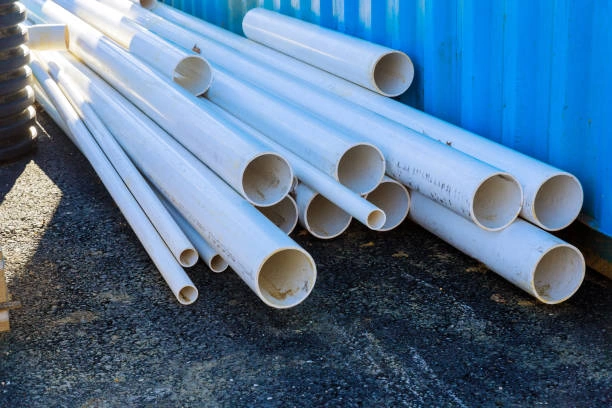
UPVC pipes have gained popularity for being affordable, lightweight, and resistant to corrosion. They work well in a wide range of residential, commercial, and agricultural applications. However, despite their advantages, UPVC pipes are not suitable for every situation. To help you make a smart decision, this article outlines the top five disadvantages of UPVC pipes, their real-world impact, and how to address these limitations.
Frequently Asked Questions (FAQ)
1. What are the main disadvantages of UPVC pipes?
The top disadvantages include poor heat resistance, brittleness in cold weather, limited load-bearing ability, chemical restrictions, and recycling challenges.
2. Can I use UPVC pipes for hot water systems?
No. UPVC softens at high temperatures and should not be used for hot water. Choose CPVC for hot water lines.
3. Do UPVC pipes break easily in cold weather?
Yes. In low temperatures, UPVC becomes brittle and may crack if exposed or handled roughly.
4. Are UPVC pipes environmentally friendly?
UPVC is not biodegradable, and recycling can be difficult due to the additives used in production.
5. How can I avoid problems with UPVC pipes?
Use the correct pipe for the application, avoid temperature extremes, check chemical compatibility, and use proper installation techniques.


1. Poor Heat Resistance
UPVC pipes are not suitable for transporting hot liquids. They soften when the temperature exceeds 60°C (140°F), which can cause them to:
- Lose shape
- Leak or rupture
- Fail under pressure
This makes UPVC unsuitable for:
- Hot water systems
- High-temperature industrial applications
- Heating systems
Alternative: Use CPVC pipes, which can handle temperatures up to 93°C.
2. Brittleness in Cold Weather
UPVC has limited flexibility. When temperatures drop below 0°C (32°F), these pipes become brittle and prone to cracking. This affects:
- Outdoor irrigation systems
- Pipes installed in unheated areas
- Storage and transport in cold climates
Result: Even minor impact can break or fracture the pipe.
Tip: In cold climates, insulate the pipes or choose HDPE, which offers better flexibility in freezing conditions.
3. Limited Load-Bearing Capacity
UPVC pipes are strong but cannot handle heavy loads or deep burial without support. Under pressure or unstable soil, they may:
- Collapse or crack
- Deform over time
- Require frequent repair
Not ideal for:
- Road crossings
- Industrial zones with vibration
- Sites with heavy machinery traffic
Solution: Use proper bedding (sand, gravel) and backfill techniques. For heavy-duty applications, consider ductile iron or concrete pipes.
4. Chemical Compatibility Limitations
UPVC is generally resistant to most acids and alkalis, but some chemicals can weaken or degrade the material, including:
- Ketones (e.g., acetone)
- Esters
- Strong solvents
- Aromatic hydrocarbons (e.g., benzene)
Consequences:
- Pipe swelling or cracking
- Leaks
- Reduced lifespan
Advice: Always check chemical compatibility charts when using UPVC for chemical handling or industrial systems.
5. Environmental and Recycling Concerns
UPVC is a plastic material that does not break down naturally and poses recycling challenges due to:
- Stabilizers, colorants, and additives
- Complex separation from other materials
- Low demand for recycled UPVC
Why it matters:
In large-scale projects or environmentally regulated industries, using UPVC may raise sustainability issues.
Green alternatives:
Look into recyclable or biodegradable materials, or work with suppliers that follow eco-friendly disposal practices.
UPVC Pipes vs Other Pipe Materials: A Quick Comparison
| Feature | UPVC Pipe | CPVC Pipe | HDPE Pipe | GI Pipe |
|---|---|---|---|---|
| Heat Resistance | Low | High | Medium | High |
| Flexibility | Low | Low | High | Low |
| Cold Weather Behavior | Brittle | Stable | Flexible | Brittle |
| Chemical Resistance | Moderate | High | High | Low |
| Environmental Impact | Moderate–High | Moderate | Moderate | High (corrosion) |
| Cost | Low | Medium | Medium | High |
Conclusion
While UPVC pipes are cost-effective and reliable for many uses, they are not perfect. Their poor heat resistance, brittleness in cold conditions, inability to handle heavy loads, chemical limitations, and environmental concerns make them less suitable in specific situations.
Before choosing UPVC, always assess the needs of your project. If your system involves high temperatures, structural loads, or exposure to aggressive chemicals, you may want to consider other materials such as CPVC, HDPE, or metal piping. Understanding these 5 disadvantages of UPVC pipes allows you to plan better, reduce risk, and ensure the long-term success of your plumbing or piping system.