

Introduction
UPVC pipe fittings play a crucial role in plumbing, irrigation, and industrial piping systems. They connect, redirect, or terminate UPVC pipes to form a complete and functional pipeline. Knowing the different types of UPVC fittings and their specific uses helps ensure a leak-proof, efficient system. This guide introduces common UPVC fittings, explains their applications, and offers tips on selecting the right ones for your projects.
Frequently Asked Questions (FAQ)
1. What are UPVC pipe fittings?
UPVC pipe fittings are components designed to join, change direction, or control flow in UPVC pipe systems.
2. How many types of UPVC fittings are there?
There are many types, including elbows, tees, couplings, reducers, end caps, flanges, and valves.
3. Can UPVC fittings handle pressure?
Yes, UPVC fittings are designed to withstand the same pressure ratings as corresponding pipes.
4. Are UPVC fittings compatible with other pipe materials?
Generally, UPVC fittings connect best with UPVC pipes but adapters exist for joining different materials.
5. How do I select the right UPVC fitting?
Consider the pipe size, pressure rating, application, and compatibility with the fluid transported.
What Are UPVC Pipe Fittings?
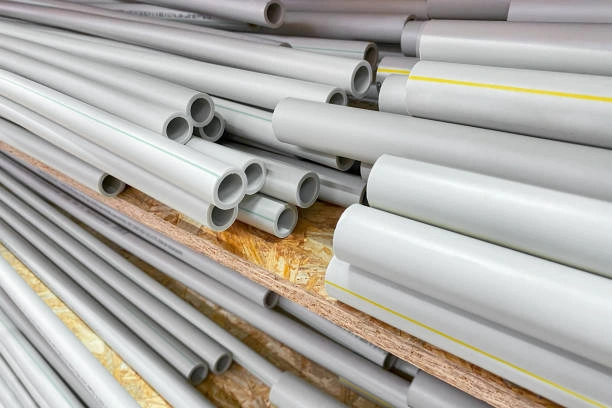
UPVC pipe fittings are pre-formed connectors that join sections of UPVC pipe or connect pipes to equipment. They allow pipelines to change direction, split flow, reduce pipe diameter, or seal the pipe end. These fittings are made from the same unplasticized polyvinyl chloride material as the pipes, ensuring durability and chemical resistance.
Common Types of UPVC Pipe Fittings and Their Uses
1. Elbows (90° and 45°)
- Purpose: Change the direction of flow in the pipeline.
- Uses: Used in corners or bends to redirect water or fluids without damaging pipes.
- Example: A 90-degree elbow redirects flow sharply, while a 45-degree elbow creates a gentler curve.
2. Tees (Equal and Reducing)
- Purpose: Split or combine fluid flow.
- Uses: Common in branch pipelines where flow divides or merges.
- Example: An equal tee connects three pipes of the same diameter; a reducing tee connects pipes of different diameters.
3. Couplings
- Purpose: Connect two pipes in a straight line.
- Uses: Extend pipe length or repair damaged sections.
- Example: Plain couplings join pipes of equal diameter; reducing couplings join pipes of different diameters.
4. Reducers
- Purpose: Connect pipes of different diameters smoothly.
- Uses: Transition between large and small pipes to maintain flow efficiency.
- Example: Concentric reducers keep pipe centers aligned; eccentric reducers align pipe bottoms to avoid air pockets.
5. End Caps and Plugs
- Purpose: Seal the end of a pipe.
- Uses: Close off unused pipes during maintenance or system changes.
6. Flanges
- Purpose: Provide detachable connections between pipes and equipment.
- Uses: Allow easy disassembly for inspection or repair.
- Example: Slip-on or socket flanges connect with solvent cement or bolts.
7. Valves (Ball, Gate, Check)
- Purpose: Control or regulate fluid flow.
- Uses: Start, stop, or prevent backflow in piping systems.
- Example: Ball valves offer quick shutoff; check valves prevent reverse flow.
How to Choose the Right UPVC Fittings
When selecting UPVC fittings, consider these factors:
- Pipe Size and Pressure Rating: Ensure fittings match the diameter and pressure class (e.g., PN10).
- Chemical Compatibility: Choose fittings compatible with the fluids being transported.
- Installation Method: Decide between solvent-weld, threaded, or socket fittings based on your system.
- Standards Compliance: Look for fittings that meet ISO, ASTM, or local regulations for quality assurance.
- Application Environment: For outdoor use, select UV-resistant fittings.
Installation Tips for UPVC Fittings
- Clean Pipe Ends: Remove dirt and grease before joining.
- Use Proper Solvent Cement: Apply evenly on both pipe and fitting surfaces.
- Align Properly: Ensure fittings and pipes are aligned to avoid leaks.
- Allow Adequate Curing Time: Wait as recommended before applying pressure.
- Support Piping: Use brackets or clamps near fittings to reduce stress.
UPVC Fittings vs Other Materials
| Feature | UPVC Fittings | Metal Fittings | HDPE Fittings |
|---|---|---|---|
| Corrosion Resistance | Excellent | Poor (rusts) | Excellent |
| Installation Ease | Easy (solvent weld) | Complex (threading/welding) | Moderate (fusion welding) |
| Cost | Low | High | Medium |
| Weight | Lightweight | Heavy | Lightweight |
| Chemical Resistance | High | Moderate | High |
| Flexibility | Rigid | Rigid | Flexible |
UPVC fittings offer a cost-effective, easy-to-install solution for many water and chemical systems, especially where corrosion is a concern.
Conclusion
UPVC pipe fittings form the backbone of any UPVC piping system. Knowing the types—from elbows and tees to valves and flanges—and understanding their uses helps you build a reliable and efficient system. Always choose fittings that match your pipe size, pressure requirements, and application environment. Following proper installation practices ensures leak-free connections and long-lasting performance. With the right UPVC fittings, you can achieve an affordable, corrosion-resistant piping solution suited to a wide range of applications.