

Summary: The Right Connector Makes All the Difference
When it comes to building a reliable and long-lasting piping system, PVC connectors play a crucial role. They ensure tight, leak-free joints, streamline plumbing design, and provide easy installation. Whether you're working on residential plumbing, irrigation systems, or industrial drainage, selecting the right PVC connectors is essential for system integrity. In this guide, we’ll walk you through the top types of PVC connectors, their features, ideal applications, and expert installation tips.
FAQs – Frequently Asked Questions
1. What is a PVC connector used for?
A PVC connector joins two or more PVC pipes together, maintaining a leak-proof flow in plumbing or irrigation systems.
2. Are PVC connectors reusable?
Typically, glued connectors are permanent. However, threaded and push-fit connectors can be reused.
3. Can I use PVC connectors for hot water?
Standard PVC is not heat resistant. Use CPVC connectors for hot water systems.
4. How do I choose the right PVC connector?
Consider pipe size, pressure rating, connection type (slip, threaded), and application (water, air, chemical).
5. Do PVC connectors require glue?
Most slip-type connectors do, but some threaded or compression types do not.
What Are PVC Connectors?
PVC connectors, also known as fittings, are components used to connect sections of PVC pipe. They allow for changes in direction, pipe diameter, or even the connection of multiple pipes. These fittings are vital in designing a flexible and functional piping system.
Notably, PVC connectors come in different shapes and types, depending on the purpose of the system. Common types include elbows, tees, couplings, unions, adapters, and caps—each designed to perform a specific function within the plumbing layout.
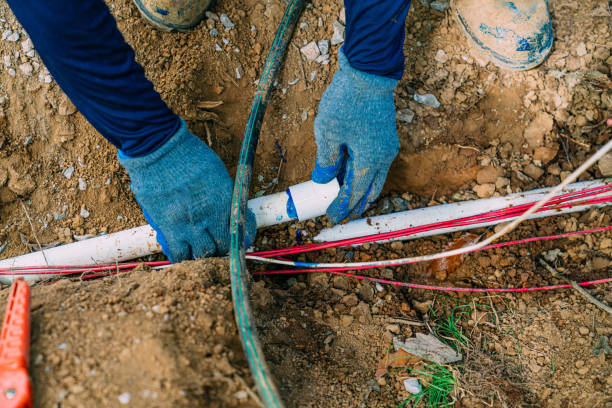
Top Types of PVC Connectors
Let’s take a closer look at the most popular and effective PVC connectors used to ensure leak-free pipe connections:
1. PVC Coupling (Straight Connector)
Used to connect two pipes of the same diameter in a straight line. Available in slip or threaded ends.
Best for: Extending pipe length in water supply and drainage lines.
2. PVC Elbow (90° or 45°)
Changes the direction of pipe flow. Available in multiple angles, the most common being 90° and 45°.
Best for: Turning corners in walls, underground systems, or irrigation layouts.
3. PVC Tee (T-Connector)
Allows the connection of three pipes in a “T” shape, helping to divide or combine flow.
Best for: Branching systems like sink drains, sprinkler lines, or vent systems.
4. PVC Cross (4-Way Connector)
Joins four pipes together at 90° angles. Less common but useful in complex layouts.
Best for: Commercial systems and hydroponic structures.
5. PVC Union
A removable joint that allows easy disconnection of pipes. Comes with threaded or compression ends.
Best for: Systems requiring maintenance, such as filters or pumps.
6. PVC Adapter (Male/Female Threaded)
Used to connect PVC pipes to other materials or threaded parts.
Best for: Transitions between PVC and metal pipes or valves.
7. PVC Cap or Plug
Used to close the end of a pipe. A cap fits over the pipe; a plug fits inside.
Best for: Testing systems or temporary seals.
8. PVC Compression Connector
Seals pipes using rubber gaskets and tightening rings, without glue.
Best for: Indoor sink or drain repairs where disassembly is needed.
How to Choose the Right PVC Connector
Selecting the correct PVC fitting depends on several factors. Here’s what to consider:
✅ Pipe Size Compatibility
Ensure the connector matches your pipe’s diameter—typically in inches (e.g., ½”, 1”, 2”).
✅ Connection Type
Choose between slip-on, threaded, or compression depending on how permanent or adjustable the connection should be.
✅ Application Requirements
Determine whether the system carries water, air, or chemicals. For water lines, standard PVC connectors are ideal.
✅ Pressure Rating
Some connectors are rated for higher pressure systems. Look for Schedule 40 (standard) or Schedule 80 (heavy-duty) fittings.
Installation Tips for Leak-Free Connections
Even the best PVC connector can leak if not installed properly. Follow these expert tips to ensure a watertight seal:
🧰 Step 1: Cut the Pipe Cleanly
Use a PVC cutter or fine-toothed saw for a square edge. Remove any burrs with a deburring tool.
🧴 Step 2: Use Primer and Cement
Apply PVC primer to both the pipe and fitting. Let it dry, then apply PVC cement generously and push the pieces together with a slight twist.
⏱ Step 3: Hold and Cure
Hold the pipe and fitting together for 30 seconds. Allow at least 15 minutes of cure time before handling and 2 hours before pressure testing.
⚠️ Pro Tip:
For outdoor use, paint exposed connectors to prevent UV damage, which can weaken plastic over time.
PVC Connectors vs Other Materials
Wondering why PVC connectors are so popular? Here’s a quick comparison:
| Feature | PVC Connectors | Metal Fittings | PEX Fittings |
|---|---|---|---|
| Corrosion Resistance | ✅ Excellent | ❌ Can Rust | ✅ Excellent |
| Installation | ✅ Easy (Glue/Thread) | ❌ Requires Tools | ✅ Quick Clamp |
| Cost | 💲 Low | 💲💲 Higher | 💲💲 Moderate |
| Maintenance | ✅ Minimal | ❌ Needs Inspection | ✅ Low |
| Reusability | ❌ Limited (Glue) | ✅ Threaded Only | ✅ Push-to-fit types |
Clearly, PVC connectors offer an unmatched balance of simplicity, cost-effectiveness, and reliability.
Where to Use PVC Connectors
PVC connectors are incredibly versatile. Here are some systems where they shine:
- 🚿 Home Plumbing – Under sinks, in toilets, laundry rooms
- 🌿 Garden Irrigation – Connecting sprinkler heads and hoses
- 🧱 Construction Projects – Framing, draining, or HVAC support
- 🏭 Industrial Use – Low-pressure chemical or water transport
- 🧪 DIY Builds – Furniture, storage racks, and creative structures
Conclusion: Leak-Free Success Starts with the Right Connector
To sum up, PVC connectors are the backbone of leak-proof pipe systems. From simple couplings to advanced unions, each connector type serves a unique purpose in your plumbing or irrigation layout. By choosing the correct fitting and following proper installation steps, you ensure a long-lasting and watertight system.
Whether you're a professional plumber or a DIY enthusiast, investing in top-quality PVC connectors will save you time, money, and frustration down the line.