
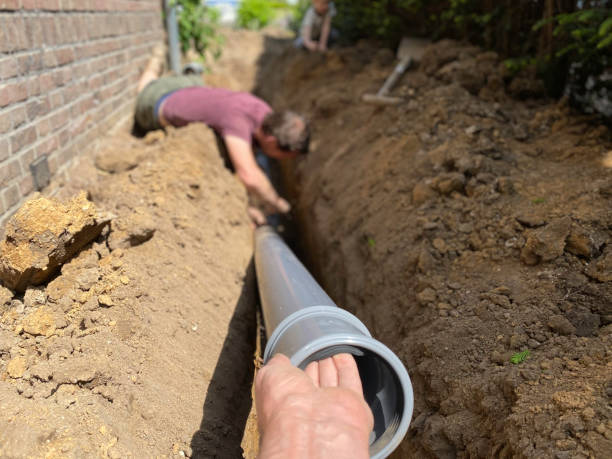
Summary: A Go-To Choice for Hygienic and Versatile Plumbing
In the world of modern plumbing, white PVC pipe stands out as a clean, efficient, and dependable solution. Whether you’re dealing with residential water systems or large-scale commercial installations, this material offers a unique combination of affordability, ease of installation, and long-lasting performance. In this guide, we’ll explore what makes white PVC pipe a preferred choice—and how you can use it to your advantage.
FAQ – Frequently Asked Questions
1. What is white PVC pipe used for?
It’s primarily used for cold water plumbing, waste lines, and vent systems in homes and commercial buildings.
2. Is white PVC safe for drinking water?
Yes, as long as it’s NSF-certified for potable water use.
3. Can white PVC be used for hot water systems?
No. PVC cannot handle high temperatures; CPVC is recommended for hot water.
4. What sizes does white PVC come in?
Standard sizes range from ½ inch to over 4 inches, depending on the intended application.
5. Can I use white PVC outside?
Yes, but it must be painted or coated for UV protection.
What Is White PVC Pipe?
To begin with, white PVC pipe refers to rigid polyvinyl chloride pipe with a white finish, widely recognized for its clarity and cleanliness. It is commonly found in residential and commercial plumbing systems, particularly for cold water supply, drainage, and venting.
Unlike CPVC or PEX, which are also popular alternatives, white PVC is not heat-tolerant. However, its rigidity, lightweight design, and clean appearance make it ideal for many cold-water applications.
Key Features and Advantages
Now that we’ve defined what white PVC pipe is, let’s explore the core benefits that make it so widely used.
✅ Durability and Longevity
One of the main advantages is its resistance to corrosion and chemical degradation. In many cases, PVC can last 30 to 50 years without significant wear.
✅ Smooth Interior Walls
Thanks to its smooth internal surface, white PVC pipe offers low friction and excellent water flow, reducing the risk of clogging.
✅ Lightweight and Easy to Install
Moreover, its lightweight nature makes it easier to transport and cut—ideal for DIYers and professional plumbers alike.
✅ Resistant to Chemicals and Microbial Growth
Unlike metal piping, PVC doesn’t rust or promote bacterial buildup, making it more hygienic in the long term.


Common Applications of White PVC Pipe
As we transition into real-world usage, it’s clear that white PVC pipe serves a wide range of plumbing needs. Here are the most common scenarios:
🏠 Home Plumbing Systems
In residential plumbing, white PVC is used in bathroom sinks, toilets, and shower drains, as well as laundry and kitchen lines. It handles low-pressure cold water efficiently.
🏢 Commercial Plumbing
In office buildings and retail environments, PVC pipe is often part of ventilation stacks and drainage networks, due to its ease of maintenance.
🌿 Irrigation Systems
While white PVC can be used outdoors, it requires UV protection. Nevertheless, it’s popular for landscaping and garden irrigation when properly shielded.
🛠 Construction and HVAC Support
Additionally, it may be used in air exhaust systems and non-pressurized HVAC drainage, adding even more versatility.
Installation Guidelines: Step-by-Step Overview
Installing white PVC pipe is a fairly simple process—but it must be done correctly. Let’s walk through the proper steps:
- Measure and Cut
Start by measuring the required length. Then use a pipe cutter or fine-toothed saw to make a clean, square cut. - Deburr and Dry Fit
Remove any burrs or shavings from the pipe ends. Before applying any adhesive, perform a dry fit to check alignment. - Apply Primer and Cement
Use PVC primer to clean and soften the joint surfaces. Next, apply PVC cement and quickly insert the pipe into the fitting with a ¼-turn twist. - Hold and Cure
Hold the pieces together for at least 30 seconds. Allow the joint to cure as per manufacturer guidelines—usually 15 minutes to handle, and 2 hours for full strength.
💡 Tip: Always work in a well-ventilated area when using primer and cement.
Comparison: PVC vs CPVC vs PEX
To better understand where white PVC fits, let’s compare it with two other common piping materials:
| Feature | White PVC Pipe | CPVC Pipe | PEX Pipe |
|---|---|---|---|
| Hot Water Compatibility | ❌ No | ✅ Yes | ✅ Yes |
| Flexibility | Rigid | Rigid | Flexible |
| Installation Method | Solvent Cement | Solvent Cement | Crimp/Fittings |
| UV Resistance | ❌ Needs Paint | ❌ Indoor Use Only | ✅ UV-Resistant Options |
| Cost | 💲 Lowest | 💲💲 Moderate | 💲💲💲 Higher |
As you can see, white PVC pipe excels in cost-effectiveness and simplicity, especially for indoor cold water systems.
Maintenance and Long-Term Care
Even though white PVC pipe is low-maintenance, following a few best practices can help extend its lifespan:
- Inspect joints annually for any signs of leakage.
- Flush the lines occasionally to remove debris or sediment.
- Avoid excessive bending or exposure to pressure surges.
- Protect outdoor sections with paint or wrap to prevent UV damage.
Conclusion: Clean, Reliable, and Cost-Efficient
In conclusion, white PVC pipe offers a practical, long-lasting, and hygienic solution for modern plumbing needs. Its lightweight design, ease of installation, and resistance to corrosion make it an ideal material for everything from home renovations to commercial piping systems.
If you’re seeking a clean and cost-effective solution for cold water and waste systems, white PVC pipe should be at the top of your list.